After more than a decade, ASHA has retired its Ask the Expert service. An important goal of the service was to offer a searchable archive of expert answers so anyone can benefit from the information expertise shared. So while the service is now closed to new questions, we will continue to offer an archive of past questions at the Ask the Expert site.
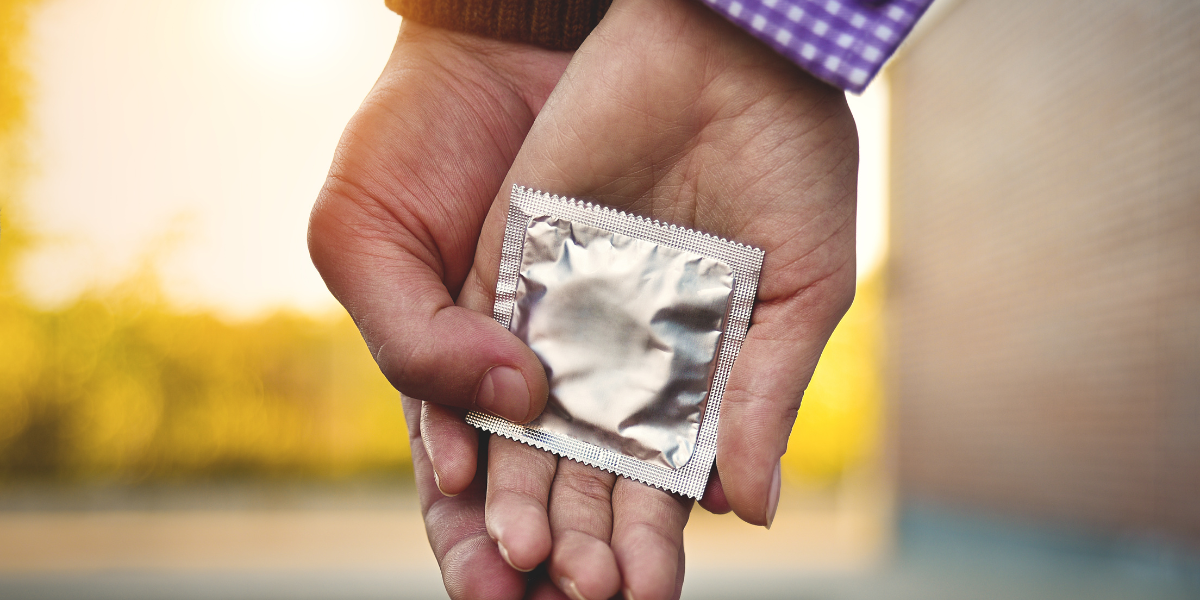
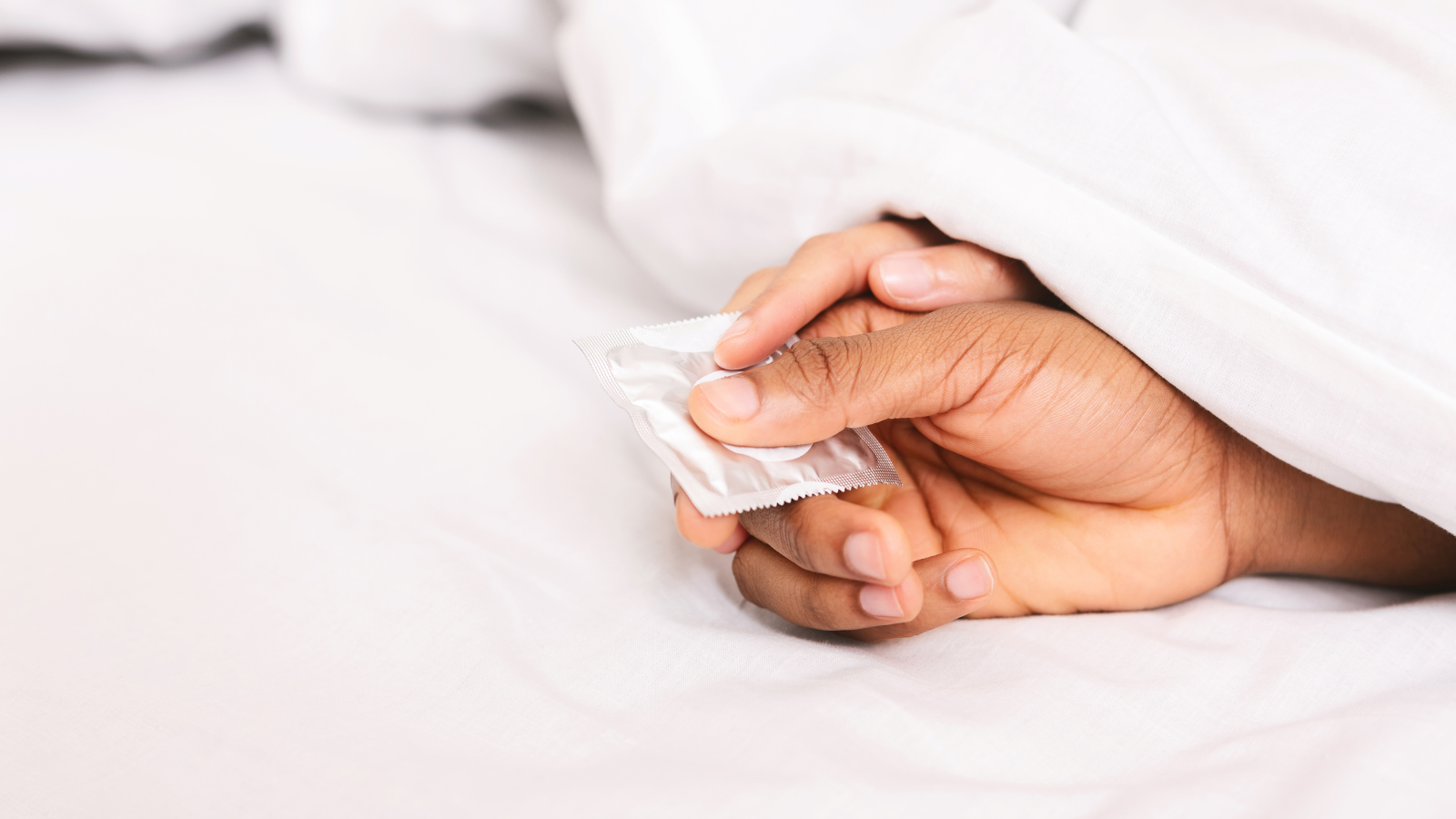
Don’t be shy to talk with your partner about safer sex and condoms: For both of you, this is one of the most important conversations you can have. It’s also one of the smartest!
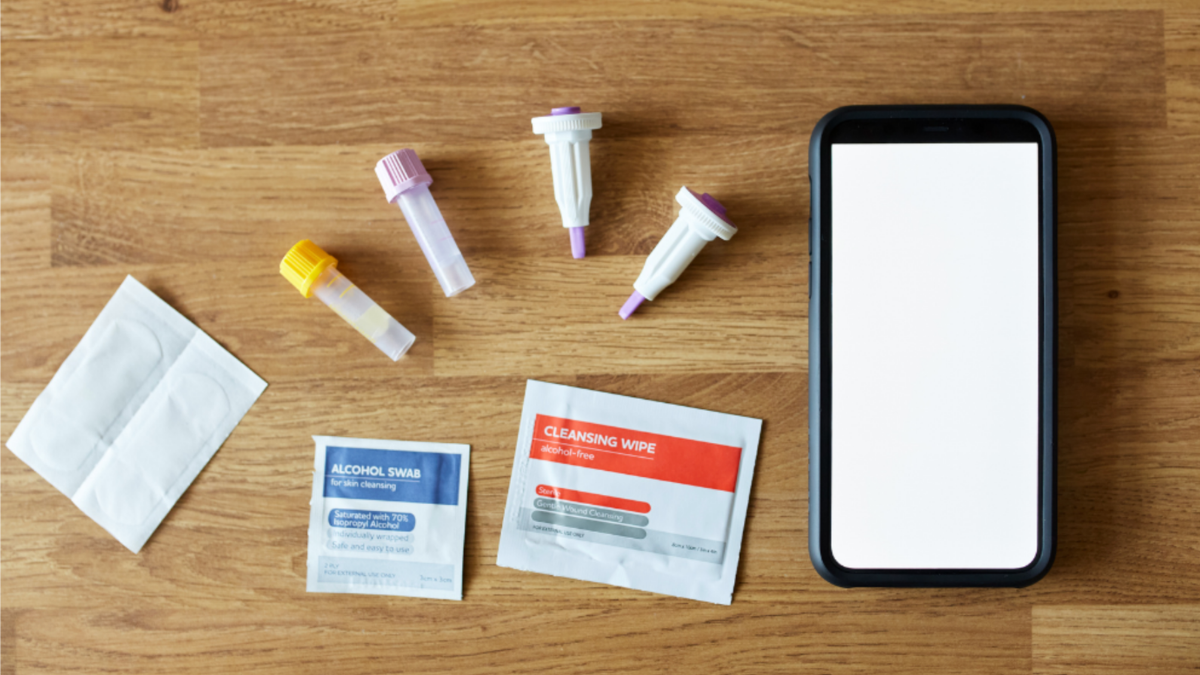
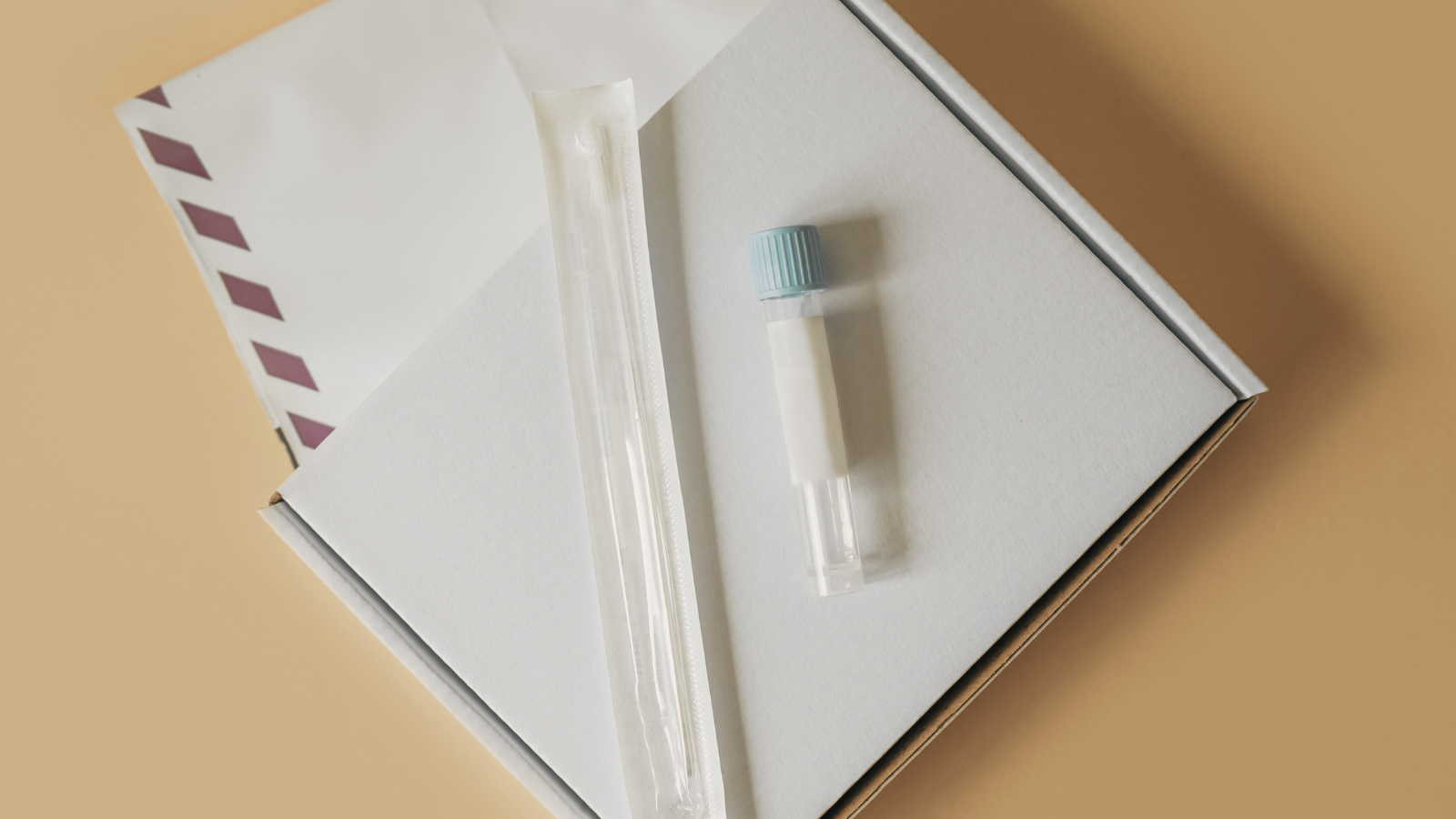
The FDA recently approved an at-home test for syphilis that can provide initial results in just 15-minutes. Syphilis has been surging in recent years with the number of cases rising 80% between 2018 and 2022 alone.
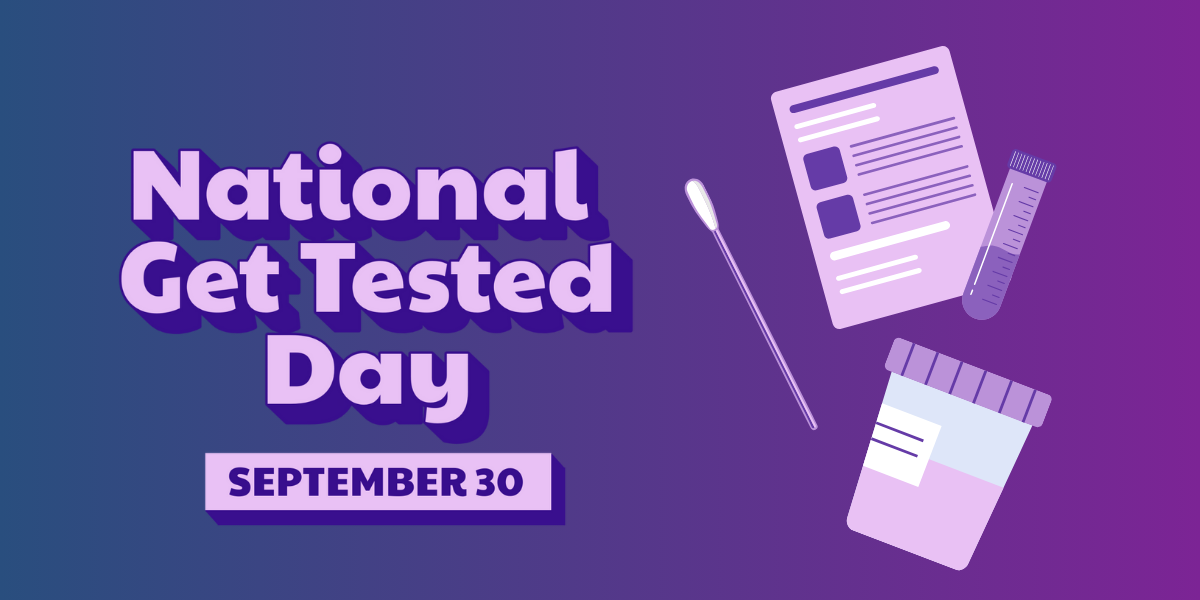
ASHA has declared September 30 as National Get Tested Day—a day to raise awareness about the importance of getting tested for sexually transmitted infections.
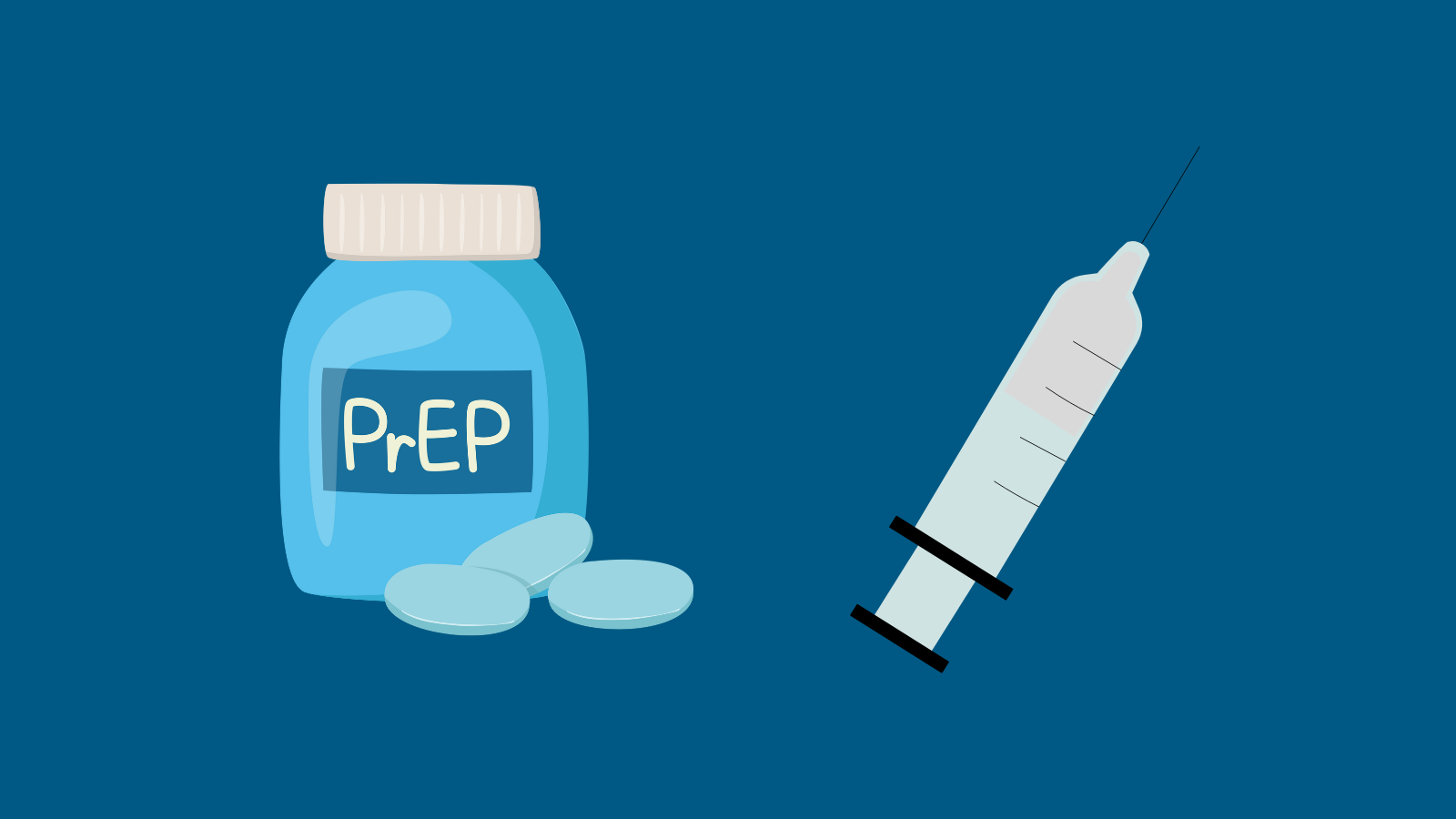
PrEP stands for pre-exposure prophylaxis. The word prophylaxis means to prevent or control the spread of an infection or disease. The goal of PrEP is to prevent HIV infection from taking hold if you are exposed to the virus.
A new study found that opt-out screenings for all patients in emergency departments caught numerous cases of syphilis and HIV that would have gone undetected under other screening protocols.
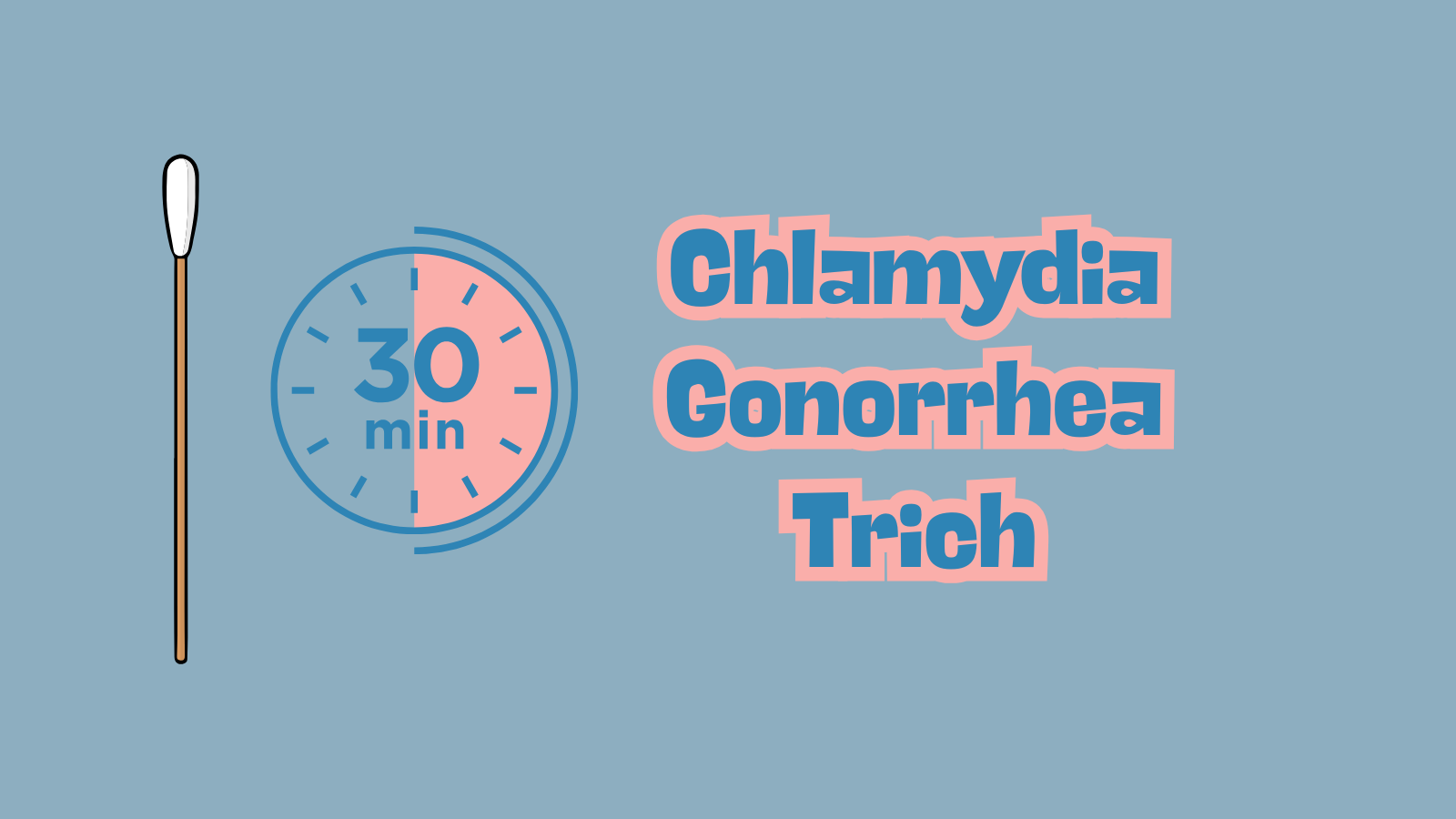
The FDA just approved a new, fully at-home test for chlamydia, gonorrhea, and trichomoniasis. The tests, which is only for women, will be available without a prescription. Users can collect their own sample and have results in less than 30 minutes.
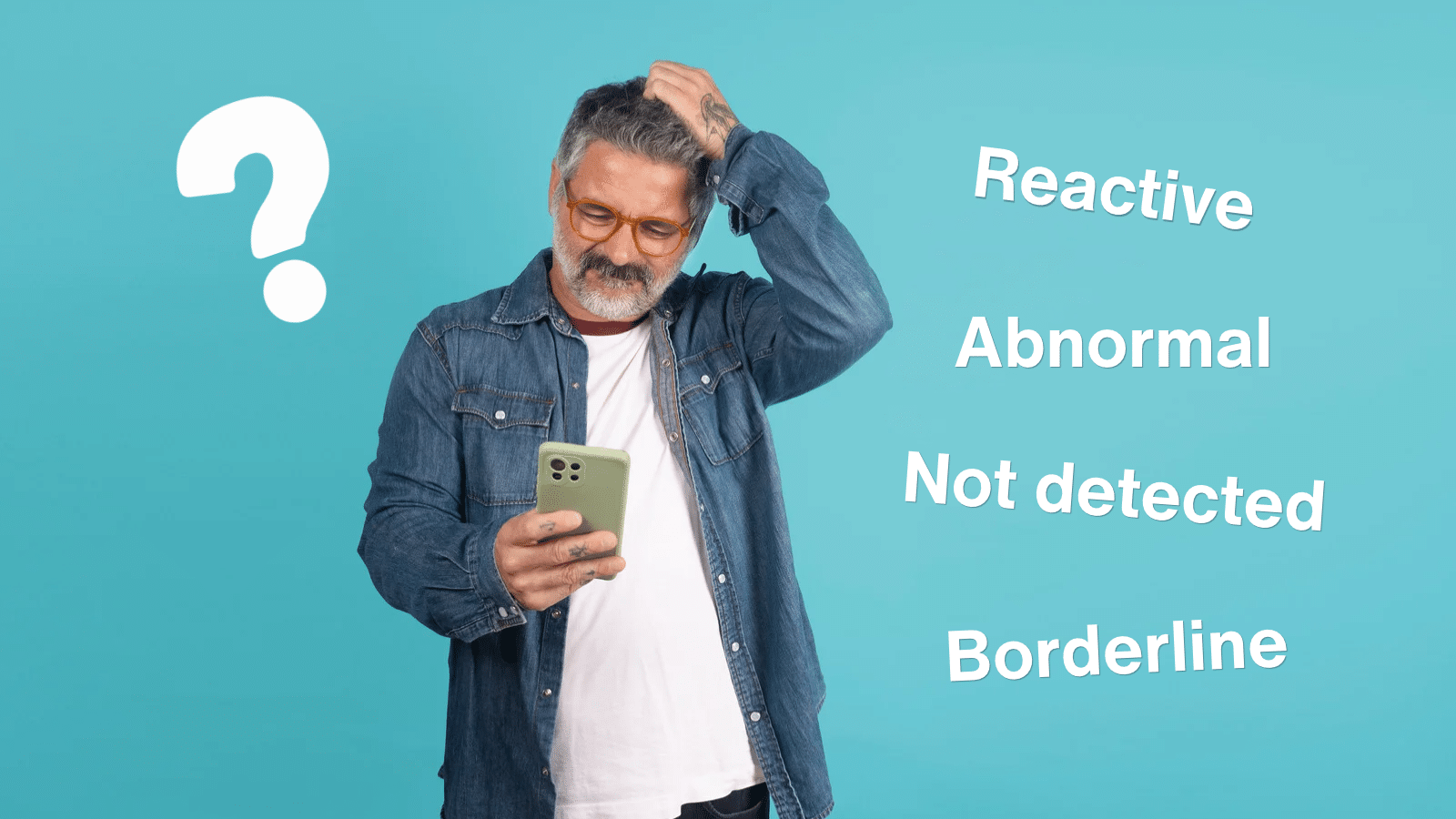
So you got tested for STIs and have your results. Ideally, STI test results are easy to understand and you have a health care provider available to answer any questions. But sometimes you may find yourself with just a lab report filled with unclear terms.