Approximately 50 percent of the adult population in the United States has oral herpes. Most people contract oral herpes when they are children by receiving a kiss from a friend or relative.
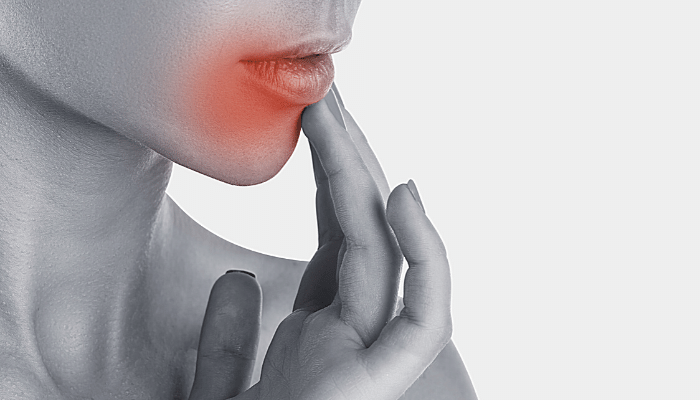
Oral herpes is an infection typically caused by herpes simplex virus type 1 (HSV-1). Commonly referred to as “cold sores” and “fever blisters,” symptoms of oral herpes most commonly appear on or around the lips. Oral herpes is not always limited to this area, though. For some, symptoms may appear between the upper lip, on or inside the nose, or on the chin or cheek. In these instances, herpes is referred to as oral-facial herpes. You have most likely seen someone experiencing an oral herpes outbreak before.
How does someone get oral herpes?
Oral herpes is transmitted through direct contact between the contagious area and broken skin (a cut or break) and mucous membrane tissue (such as the mouth or genitals). In other words, HSV can be passed on through kissing or oral sex.
Herpes can also be transmitted when there are no symptoms present. There are several days throughout the year when the virus reactivates yet causes no symptoms (called asymptomatic shedding, viral shedding, or asymptomatic reactivation).
If a person is experiencing symptoms orally, we recommend abstaining from performing oral sex and kissing others directly on the mouth until signs have healed and the skin looks normal again. Because most adults have oral herpes, we don’t suggest that a person should stop giving or receiving affection altogether between outbreaks (when there are no signs or symptoms) simply because they have oral herpes. However, using a barrier (such as a dental dam) or condom when performing oral sex (even though there are no symptoms present around the mouth) can reduce the risk of contracting genital herpes.
By performing oral sex on someone who has genital herpes, it would be possible to contract oral herpes – but this is rare. Most cases of genital herpes are caused by HSV-2, which rarely affects the mouth or face. Also, and even more importantly, most adults already have oral HSV-1, contracted as a child through kissing relatives or friends.
The First episode
A primary infection with oral herpes can be similar to a first episode of genital herpes in that symptoms can be more severe. During the first episode, classic lesions tend to form as small fluid-filled blisters that can appear as a single blister or in a cluster. Sores may also appear inside the mouth or on the back of the throat, and the lymph nodes in the neck may swell.
Like genital herpes, though, symptoms of oral herpes can be very mild and go unnoticed. Subtle symptoms can be easily mistaken for another infection or condition such as a small crack or cut in the skin, chapped lips, bug bite, or a pimple, to name a few examples.
Recurrences
At least a quarter of people with oral herpes experience recurrences. Again, as with the first episode, symptoms vary from person to person. Lesions may appear as either a blister or a cluster of blisters or sores. It is possible that a recurrence will involve only the subtle symptoms described above.
Signs and symptoms of a recurrent episode (when they occur) tend to last about 8 – 10 days on average. Blister- or sore-like lesions will usually crust over during the healing phase.
If a person had fairly mild symptoms in their first episode, then recurrences will likely also tend to be mild. The number of recurrences varies from person to person and tends to decrease over time. Exposure to sunlight’s ultraviolet rays may trigger a recurrence.
Many people will experience a “prodrome” or warning symptom prior to developing an outbreak. As you may recall from the section on genital herpes, a “prodrome” is an itching, tingling, or painful sensation in the area where their recurrent lesions will develop. The prodrome often precedes lesions by a day or two. During this time, it is best to assume virus is active (and, therefore, can be spread through close contact).