
Study Finds Anti-Trans Laws Increase Suicide Attempts in Young People
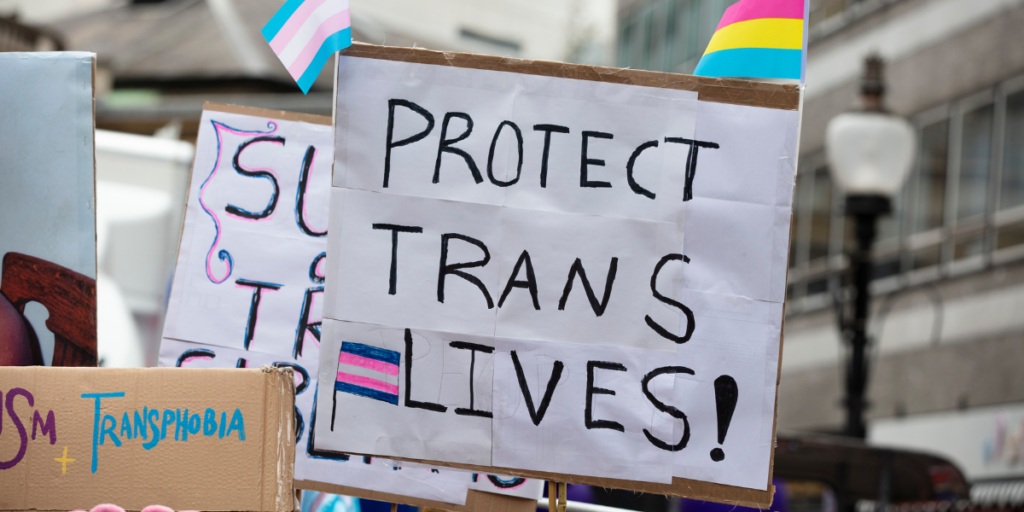
A new peer-reviewed article finds what many have long suspected—when states pass anti-trans laws, there are more suicide attempts among transgender and non-binary (TGNB) kids.
The study found that enacting anti-trans law aimed at minors—such as policies banning gender affirming care or preventing participation on sports team—increases the rate of suicide attempts among TGNB young people in that state by anywhere between 7% and 72%.
There is an alarming trend of state legislators targeting trans people and trans young people in particular. In 2024 alone, state legislators introduced 658 anti-trans bills. This was up from 174 in 2022, 85 in 2020, and just 30 in 2018. Bills banning care and dictating which sports teams young people can play on are not all. There were also bills mandating which bathroom people use and preventing trans individuals from changing their birth certificates or driver’s licenses. Some bills went as far as to threaten to remove trans kids from their homes if parents authorized gender-affirming care.
The new study focused on 2018 to 2022 during which time 48 anti-trans bills in 19 states became law. The authors surveyed 61,240 TGNB young people ages 13 to 24 from all 50 states. Participants were asked over 100 questions so researchers could start to understand their mental health and suicide risk. They were asked about thoughts of suicide and suicide attempts. They were also asked about factors known to protect trans kids. These include access to care, access to affirming spaces, and LGBTQ+ representation as well as factors known to be a risk such as anti-LGBTQ+ victimization, discrimination, and experiences with conversation therapy.
Their analysis found that self-reported suicide attempts among TGNB young people did not increase when anti-trans bills were introduced or under debate. There was, however, a statistically significant increase in suicide attempts if those bills passed and became law.
The analysis can’t pinpoint the reason(s) that suicide attempts rise. The authors speculate that being banned from participation in sports may lead to more experiences of rejection, social isolation, and bullying. Similarly, not being allowed to get gender-affirming healthcare or update documents may “lead to less access to vital resources and create more opportunities for discrimination and harassment.” All of this increases the stress of being a minority in this society. This can, in turn, lead to worsening mental health and increased suicide risk.
The study is notable in large part because it was the first to confirm a causal link between these laws and teen suicide among TGNB kids. Ranita Nath, one of the study’s coauthors who is also vice president of research at the Trevor Project, explained, “State-level anti-transgender laws caused—so, not associated with, not linked to— we can say very confidently, they caused up to a 72% increase in number of past-year suicide attempts among trans and nonbinary young people.”
Trans and nonbinary young people are already at increased risk of suicide, in part, because of the stigma and bullying they endure in school and day-to-day life. It’s not surprising that young people’s health suffers further when state lawmakers add to that stigma and bullying with laws that target the trans community.