
Fewer Women Are Getting Prenatal Care (and Missing an Important Chance to Prevent Congenital Syphilis)
A new report shows that fewer women are getting prenatal care. That means too many patients are missing the chance to prevent congenital syphilis.
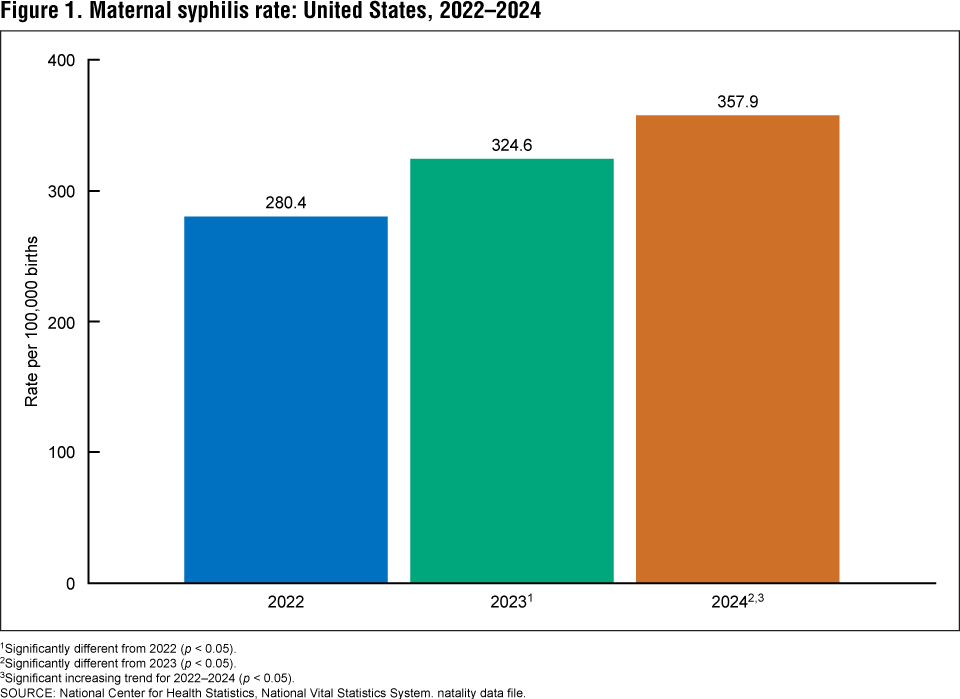
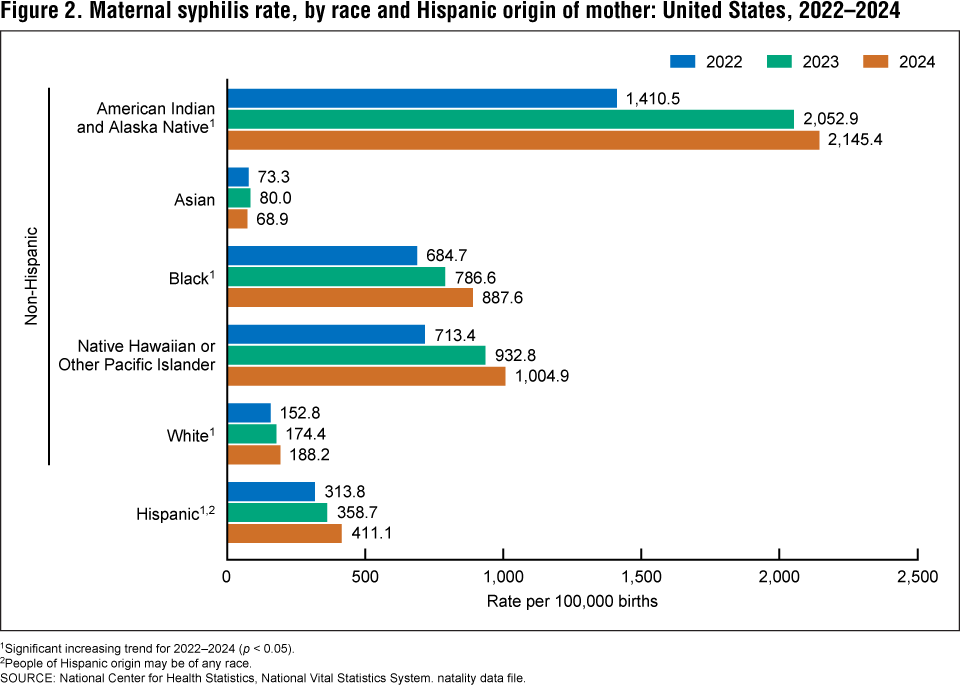
A new report shows that fewer women are getting prenatal care. That means too many patients are missing the chance to prevent congenital syphilis.
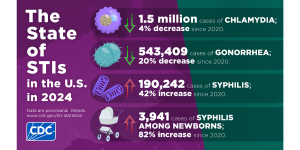
The CDC just released STI Surveillance Data for 2024 that show cases of chlamydia, gonorrhea, and syphilis are slowly declining.
A new study found that a single shot of benzathine penicillin G (BPG) treated early syphilis as well as the standard three-injection regimen.
An antibiotic that is important in the fight against syphilis will once again be hard to find, this time because of a voluntary recall by the manufacturer.

A new report from the Centers for Disease Control (CDC) shows that we’re missing opportunities to prevent congenital syphilis and save lives.

Many people who take doxy PEP say it gives them peace of mind in their relationships and sex life. We sat down with Oscar Alexis, Efthimios, and Maxfield Haynes to talk about doxy PEP and get their perspective.

A new study found that opt-out screenings for all patients in emergency departments caught numerous cases of syphilis and HIV that would have gone undetected under other screening protocols.

Two studies published in this month’s JAMA Internal Medicine offer encouraging findings about the use of Doxy PEP.

We need to know if we can keep you company during this visit. We are useful for making this site work.