HIV and Pregnancy—Take Steps to Protect Your and Your Baby

There is a lot to think about when you want to have a baby or when a baby is on the way. One important step is to learn about HIV. Knowing whether you have HIV can help you decide how to protect your baby.
HIV can pass from a pregnant person to their baby during pregnancy, delivery, or breastfeeding, but thanks to HIV medications, this happens far less often than it used to. People living with HIV can have healthy pregnancies and healthy babies.
The key is knowing your HIV status so you can get treatment if you need it.
Everyone should be tested for HIV during pregnancy, even if you’ve been tested before. If you have HIV, starting treatment as soon as possible—and taking your medication as prescribed—can protect your health and greatly reduce the chance of passing HIV to your baby.
In fact, with treatment, the chance of passing HIV to a baby during pregnancy or delivery can be 1% or less.
When should I get tested for HIV?
Everyone should be tested for HIV as early as possible during every pregnancy, even if you’ve been tested before.
You can have HIV without having any symptoms, so the only way to know your HIV status is to get tested. HIV testing is usually part of routine prenatal blood work but ask your health care provider if you’re getting tested to be sure.
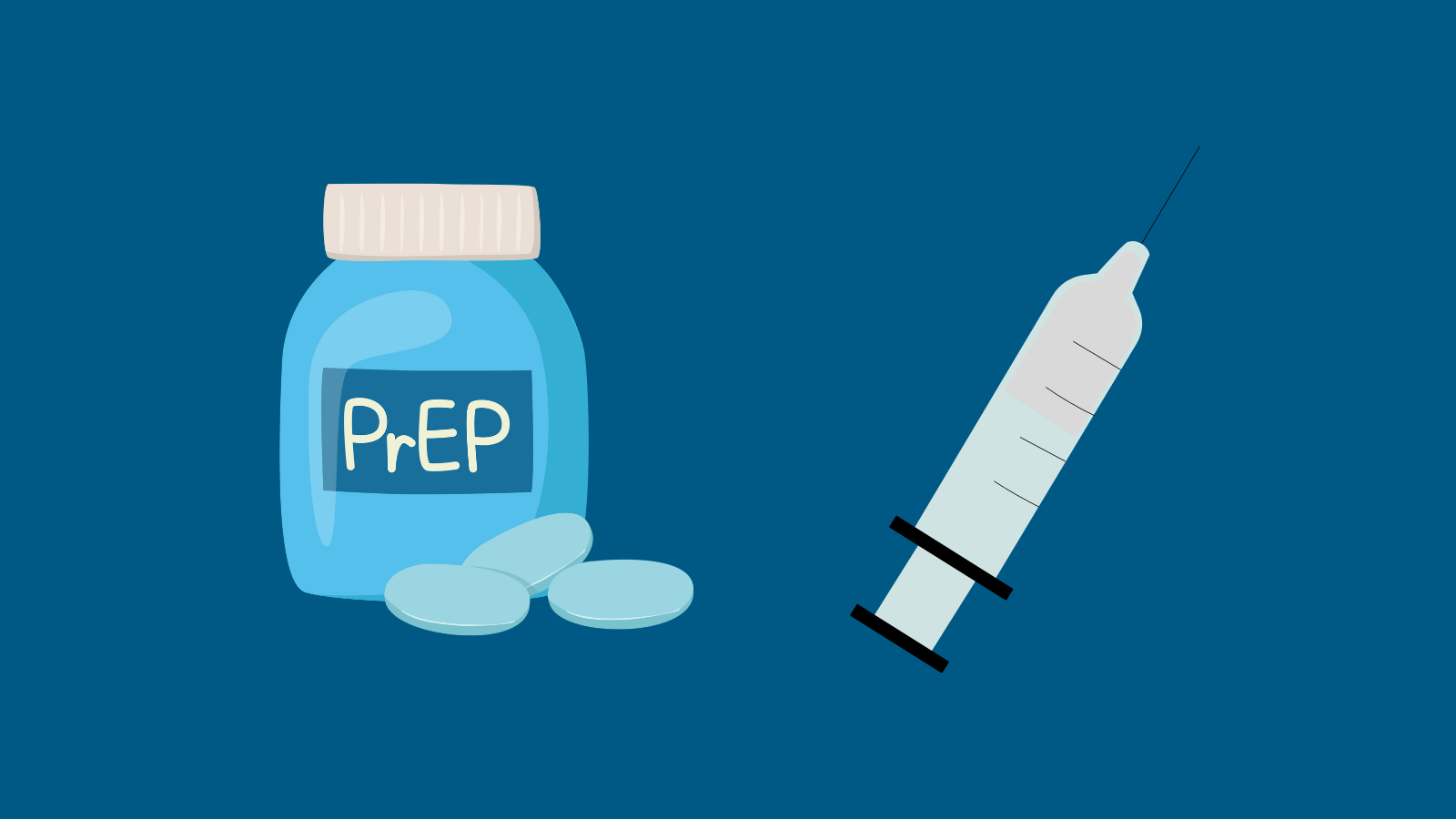
If your test is negative, your health care provider can help you decide whether you need another HIV test later in pregnancy. They can also talk with you about ways to prevent HIV during pregnancy, including PrEP and condoms.
If your test is positive, you can start HIV treatment right away. You can ask your health care provider if they can treat you for HIV. If not, they can hopefully refer you to someone nearby. There are other ways to find an HIV care provider.
- Ryan White HIV/AIDS Program. This program provides care and support to low-income people living with HIV. You can find a Ryan White site near you.
- Your state may also have an HIV/AIDS hotline that can help you find services.
- You could find a health center near you. You can search this list by zip code.
- You could also look at this list of health care providers across the country who specialize in HIV care created by the American Academy of HIV Medicine.
If I test positive for HIV, can I still safely have a baby?
Yes. People with HIV have healthy pregnancies and healthy babies all the time.
Taking HIV medication throughout pregnancy can lower the amount of virus in your blood. Some people are able to reach an undetectable viral load, which means that regular blood tests can’t find any HIV in the blood. There is less than a 1% chance that someone who is undetectable passes HIV to their baby.
Keeping your viral load low can also help keep you healthy during pregnancy.
If you have HIV and are pregnant or thinking about getting pregnant, talk with your health care provider. They can make sure your HIV is well controlled and help you prepare for a healthy pregnancy.
If you find out you have HIV after you’re already pregnant, don’t panic. Starting treatment as soon as possible can reduce the chance of passing HIV to your baby.
Can I take my HIV medications while I’m pregnant?
Yes. In fact, taking HIV medication during pregnancy is one of the most important things you can do for your health and your baby’s health.
If you’re already taking HIV medication when you get pregnant, you may be able to continue with the same regimen, but sometimes your health care provider will recommend a change. Don’t make any changes on your own or stop taking your medication. Talk to your HIV care team as soon as you can.
Your provider will also check your viral load at different times during your pregnancy. Your viral load is the amount of HIV in your blood. The lower your viral load is, the less likely you are to pass HIV to your baby. The goal of HIV treatment is that the virus becomes undetectable in your blood. This means regular blood tests can’t find any virus.
If I have HIV, can I have a vaginal delivery?
Yes. Many people with HIV can have a vaginal delivery.
Mother-to-child transmission most often happens at the end of pregnancy or during labor or delivery. People who are virally suppressed or undetectable at that time are much less likely to pass HIV to their baby.
Your health care provider will check your viral load toward the end of your pregnancy. If your viral load is low enough, you can decide together whether you want a vaginal birth or C-section.
If your viral load is high, your provider will likely suggest a C-section, which has been shown to reduce the chance of transmitting HIV.
Will my baby need HIV medication?
Yes. Babies born to people living with HIV are given medication shortly after birth. This provides extra protection against the virus.
Which medication your baby gets and how long they need to take it will depend on several things, including your viral load during pregnancy and around the time of delivery.
Your baby will also be tested for HIV several times during their first few months. Babies need a different kind of HIV test than older children and adults because antibodies passed from you to your baby can remain in their blood for a while.
Your baby’s health care provider will tell you when testing is needed and when they can know for sure that your baby does not have HIV.
Can I breastfeed if I have HIV?
This is a decision to make with your HIV care team and your baby’s pediatrician.
HIV can pass to a baby through breast milk. Taking HIV medication every day and keeping your viral load undetectable makes this much less likely, but it does not bring the chance down to zero.
Some people with HIV do choose to breastfeed. Others choose to use formula or pasteurized donor breast milk. These alternatives cannot pass HIV to your baby.
Your health care team can help you make the best choice for you and your baby.
More resources on breastfeeding:
- Breastfeeding for People with HIV: AAP Policy Explained, from the American Academy of Pediatrics
- Can I Breastfeed While Living With HIV?, from The Well Project
More on HIV