Testing for STIs at home? Yes, it’s possible—and popular
Testing for sexually transmitted infections at home isn’t entirely new. The first HIV home test collection kit was approved way back in 1996. But now there are many more options (including free ones) to test in the comfort and privacy of your own home.
Some STI at-home tests will give you results quickly. You collect your sample, do the test, and get your result at home. An example of this is the at-home syphilis test that can give a result in about 15 minutes.
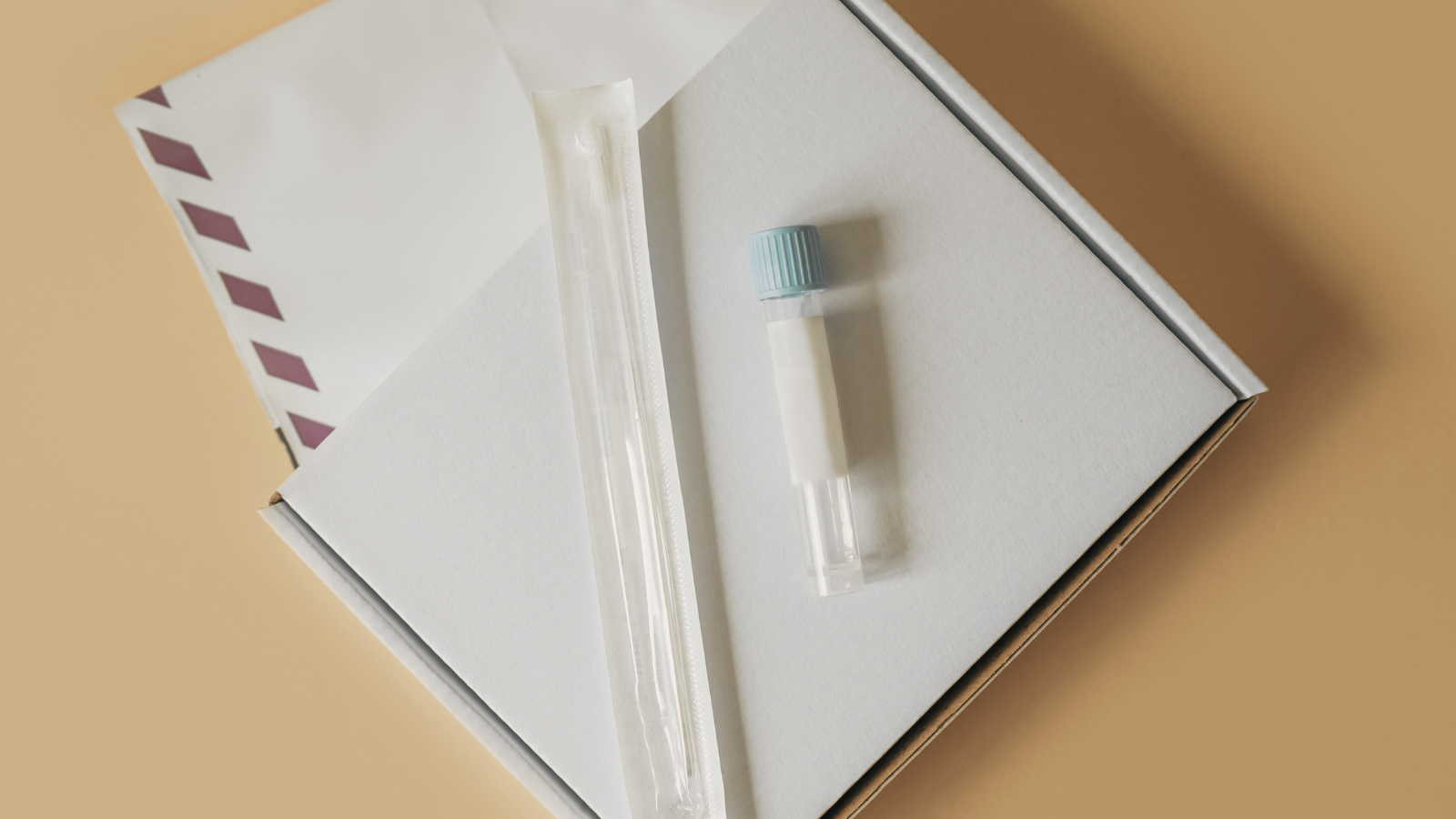
Other at-home STI tests let you collect your own samples at home (like urine or blood), but you don’t get the results right away. Instead, you send the samples to a lab. The lab does the test and provides results within a few days.
STI rates in the United States continue to rise. Testing is important both for individuals and public health. If left untreated, STIs can lead to long-term health complications including an increased risk of HIV, certain cancers, and infertility. And, without treatment STIs will continue to spread. STI testing is an important first step in protecting your health and ending this epidemic, whether you decide to get tested at a clinic, a doctor’s office, or in your own home.
What STIs should I test for and how often?
The answer to this question is different for everyone because it can depend on factors like your age and your behavior. For example, younger people, especially women, are biologically more susceptible to STIs. Additionally, certain groups (like men who have sex men) may have higher STI rates in their communities. If a person has multiple sexual partners, they may also need to test more often.
In general, everyone should be tested for HIV at least once in their lives and anyone who is sexually active should be tested for most STIs about once a year. Some people may want to be tested more frequently if they have multiple partners and some people may need fewer tests because they have only one partner and are sure their partner doesn’t have any other partners. Check for an explanation of CDC’s specific recommendation for each STI.
Home testing is best used as a method for regular screenings. If you have symptoms such as genital itching, burning, or unusual discharge it can be better to see a health care provider because a physical exam can help you get a quick and accurate diagnosis and start treatment right away.
What STIs can I test for at home?
You can test for most STIs at home. Some tests can be bought at pharmacies, like a new home test for syphilis. Others can be purchased online, like a new FDA-approved home test for chlamydia, gonorrhea, and trichomoniasis. While herpes tests are available for home use as well, blood tests for HSV are considered less accurate and are known to return a significant number of false positive results.
How can I get a home test?
Lots of places. There are so many places to get at-home tests. You might want to start by checking if there are free or low-cost home test kits offered in your area. You can also ask your health care provider if they offer tests kits, as some offices and clinics do. Many local health departments also offer tests that can be taken at home. You can also go to your local pharmacy to get tests, or you can buy one from any number of places online.
Are home tests expensive? Are they covered by insurance?
While health departments often offer their test kits for free, other providers have a wide range of pricing. A CVS test kit sells for $99. Most of the online companies seem price their test kits at about $99 as well but they also offer more comprehensive kits (that test for additional STIs) that are more expensive. Some can be over $200. Some companies offer a membership program so that people who want to be tested frequently can receive a discount.
While there may be exceptions for tests ordered by a telehealth provider and done at a local lab, for the most part home STI tests are not covered by insurance. For a test purchased at a pharmacy, like CVS, it may be possible to use funds from an HSA plan, if you have one.
Check below to see what free options may be available near you.
How does it work? How do I test myself?
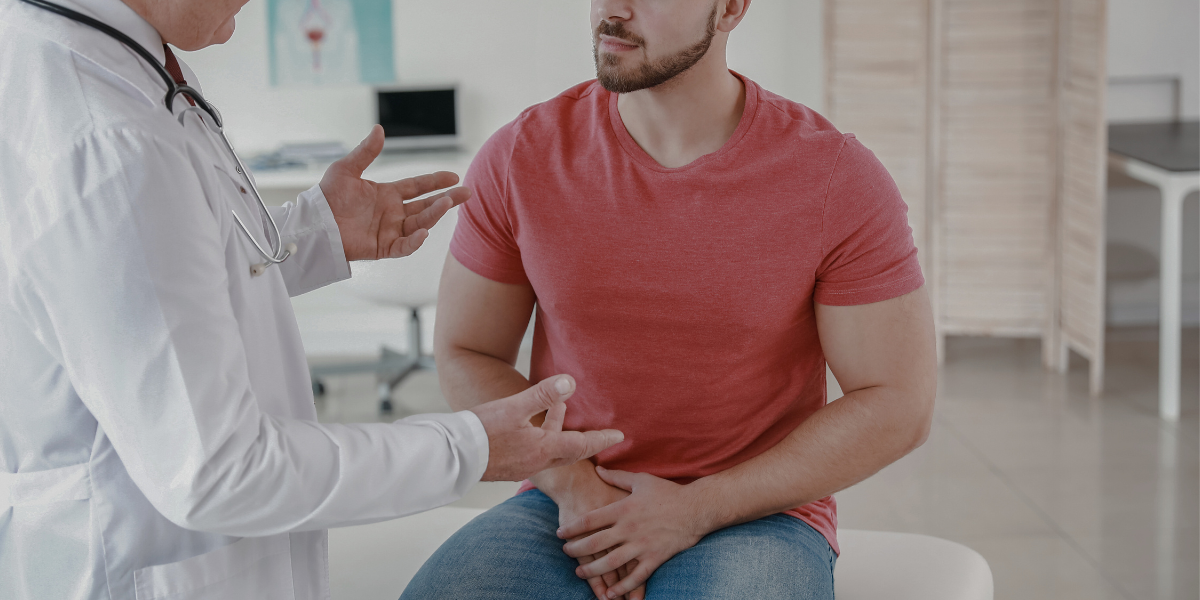
Testing is typically quick and easy. If you get tested by a health care provider in a clinic or office setting, they may start with a visual exam of your genitals. They may swab your vagina, penis, urethra, anus, or throat. They will also likely ask for a urine sample (you just have to pee in a cup) and/or take a blood sample.
When you test in person, blood samples are usually drawn from a vein in your arm. It shouldn’t hurt, but it does involve a needle.
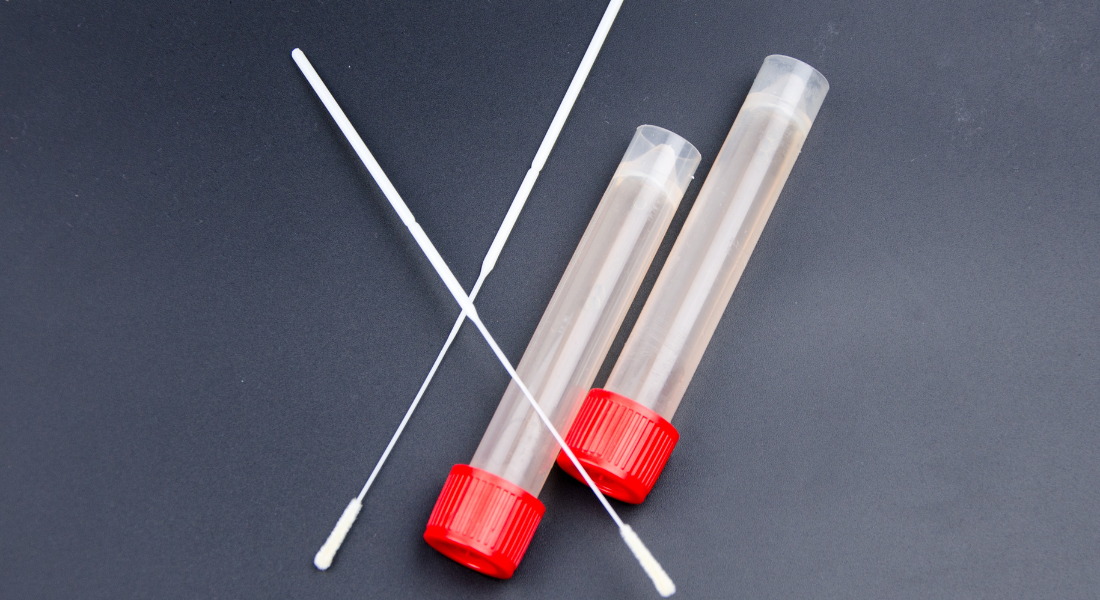
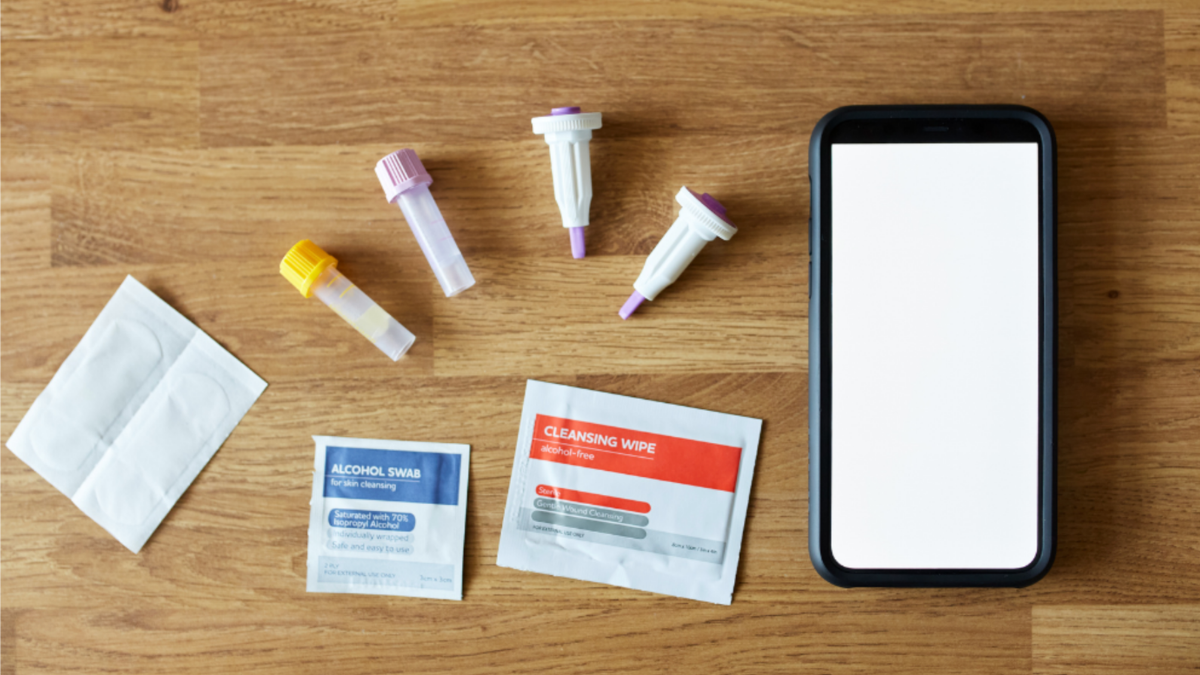
If you choose to test at home, you may be asked to swab your own genitals, mouth, or anus. You may also have to collect a urine sample or provide a blood sample. (Don’t worry—the test kit will come with specific instructions.)
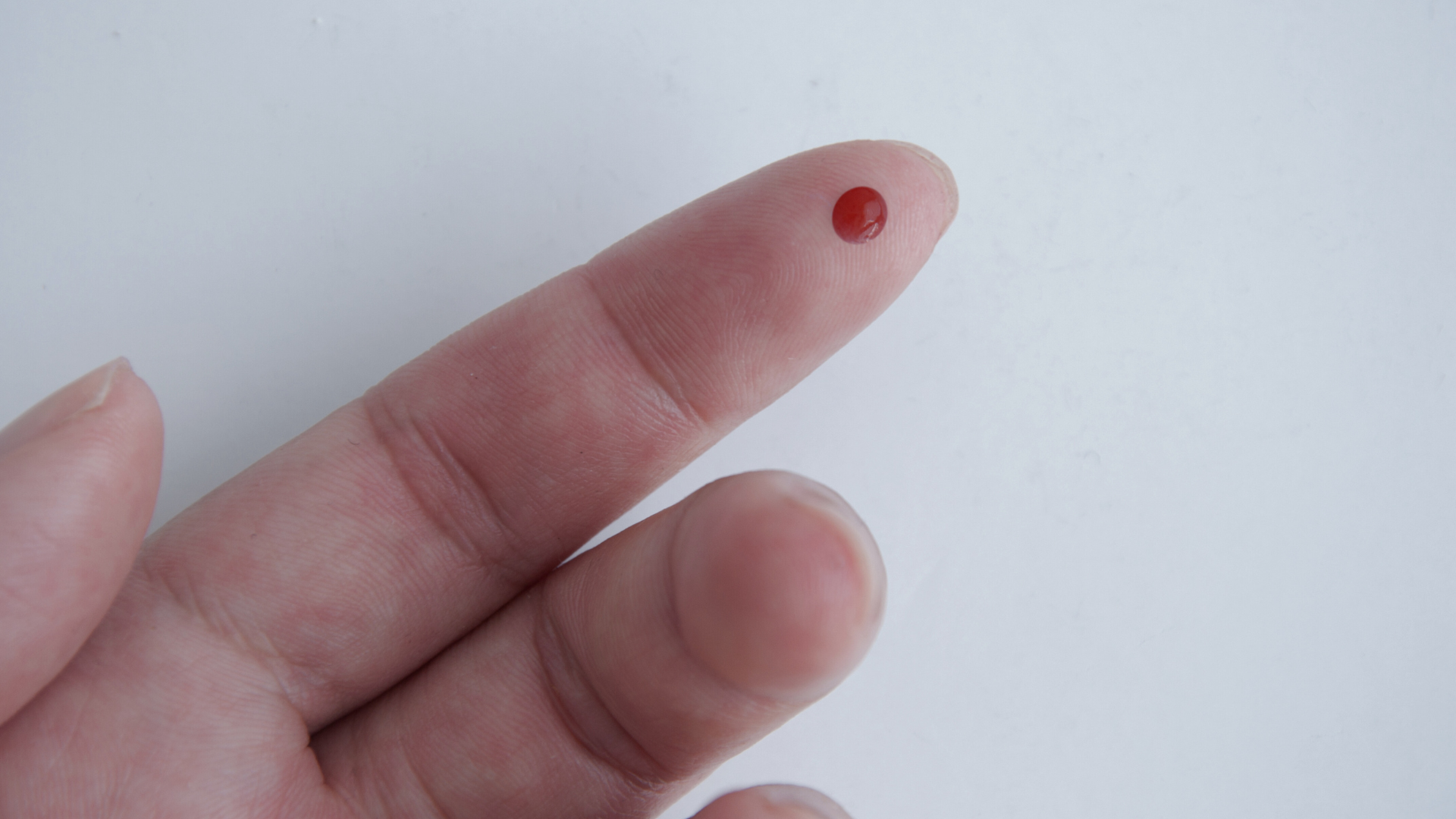
With home testing, blood samples are usually done by pricking your finger. Some tests require more than one drop of blood, so you might have to prick multiple fingers.
Will I get my results right away?
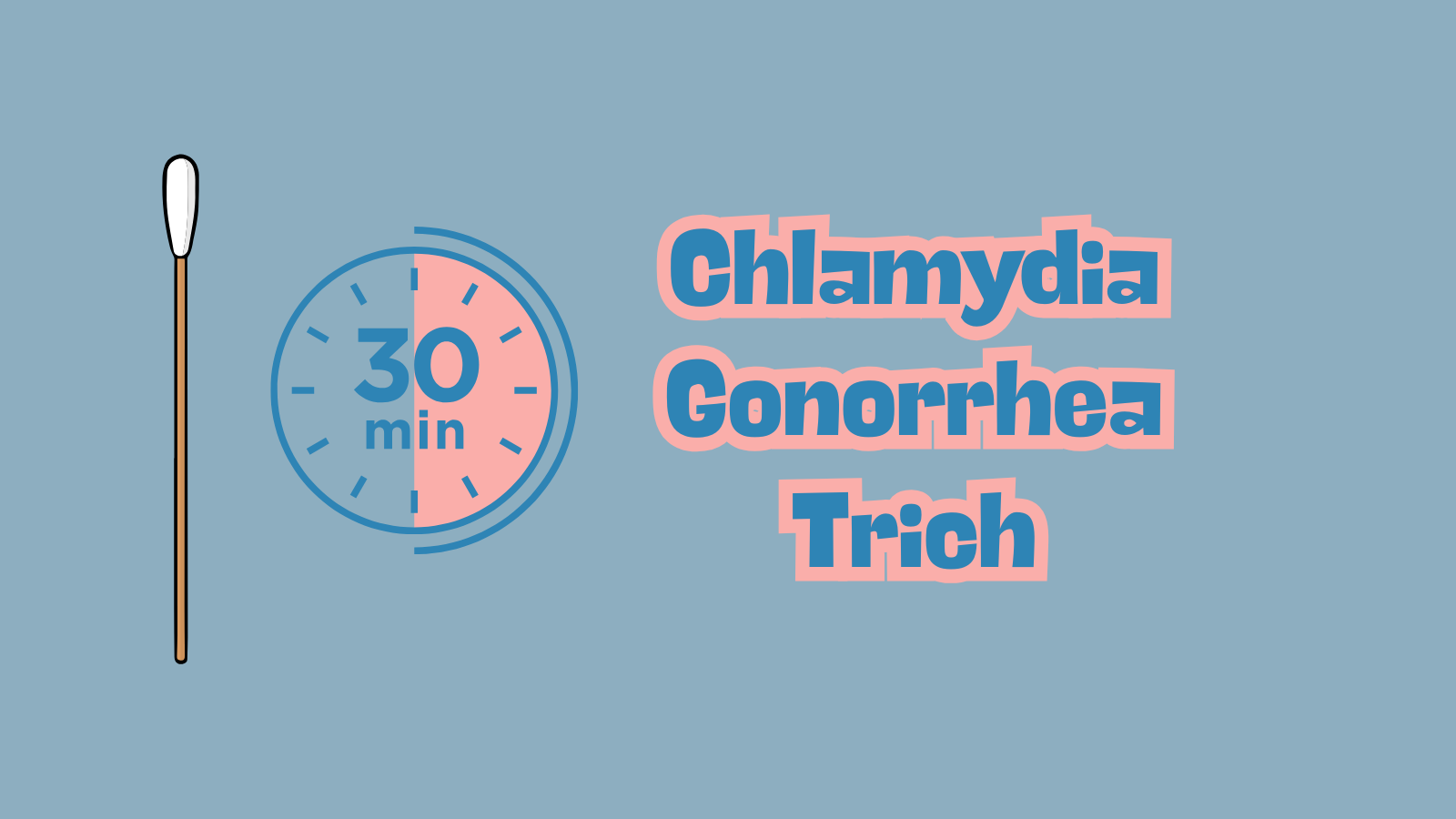
While COVID-19 home tests have gotten us used to instant results, most STI tests don’t offer quick, at-home results. Only the rapid HIV test done with an oral swab, a new syphilis test, and a new test for chlamydia, gonorrhea, and trich provide at-home results.
All other home STI tests involve collecting the samples yourself and sending them to a lab that will analyze them and provide the results. This can take a few days to a week or so once you’ve sent the sample back.
Each test kit will come with instructions on how to access your results. Typically, you’ll need to log on to a website to get test results.
Are at-home tests accurate?
For most STIs, home tests should be as accurate as the tests done in a doctor’s office because they are being conducted in a laboratory. That said, the only tests that have been approved for home use by the FDA are those that test for HIV, syphilis, and a test for chlamydia, gonorrhea, and trichomoniasis (only for women). There are also some home tests for HPV that have been approve. The lab tests for other STIs were approved by the FDA using samples collected by health professionals and the agency is still questioning whether the tests remain as effective when the samples are collected at home.
Experts seem to agree that home tests for chlamydia, gonorrhea, trichomoniasis, and hepatitis-C are reliable. When it comes to herpes, however, there are fears that the tests will return too many false positives. Even so, these tests can be valuable by providing reliable negative results. Anyone who gets a positive result on one of these tests will likely be advised to seek additional testing to confirm.
What do I do if I get a positive result?
Stay calm. If you do have an STI, you are not alone—it is estimated that one in two sexually active people will get an STI in their lifetime. Some STIs can be cured, and others can be treated to manage symptoms. A positive diagnosis means you have the opportunity to treat the STI and either cure it entirely or reduce symptoms and reduce the chance of passing it on.
Most test kits come with access to a health care provider, whether you got the kit from a health department or ordered it online. The provider may be able to offer you treatment via a telemedicine visit or may help you find a provider in your area that you can see in person.
If you test positive for an STI, it is important to follow up with treatment, and also to let partners know that they should be tested as well (health care providers and health departments can help you with this if you don’t want to contact partners yourself).
FREE At-Home Testing (in Select Areas)
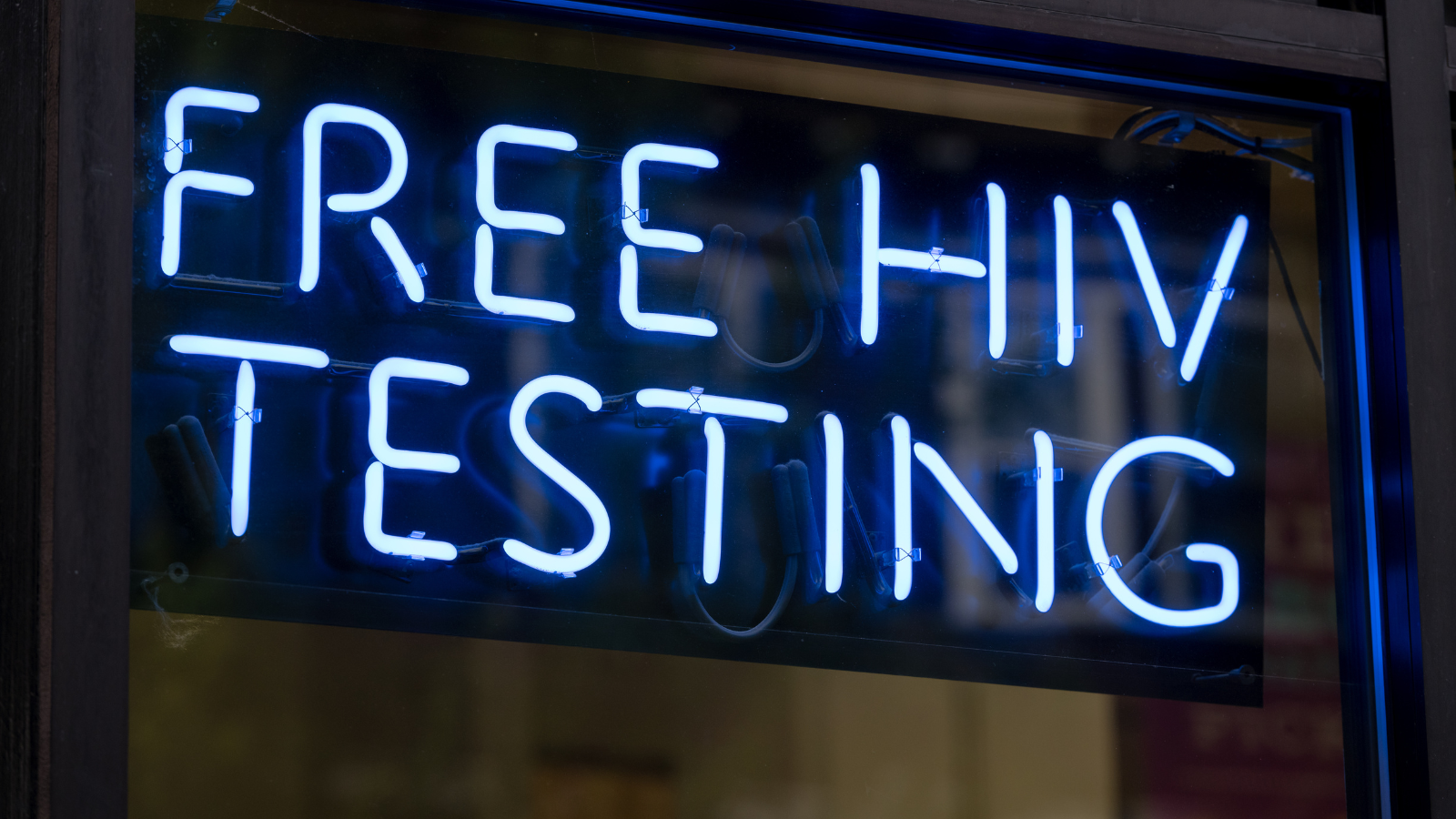
While there are many commercial options for at-home testing, as mentioned above, there are also free options in some areas of the country, typically offered in coordination with health departments.
Free HIV Self Tests
- Together TakeMeHome
Together TakeMeHome is a collaboration between Emory University, Building Healthy Online Communities, the U.S. Centers for Disease Control and Prevention, NASTAD, OraSure, and Signal. This service offers free HIV self-tests—any person living in the U.S. (including Puerto Rico), is 17 years of age or older, and has not ordered from TakeMeHome in the past 90 days, is eligible to request one or two HIV self-tests. - State and Local Resources for Free HIV Self Tests
This resource lists from We>AIDS includes resources across the country. - Free HIV At-home Tests for Florida Residents
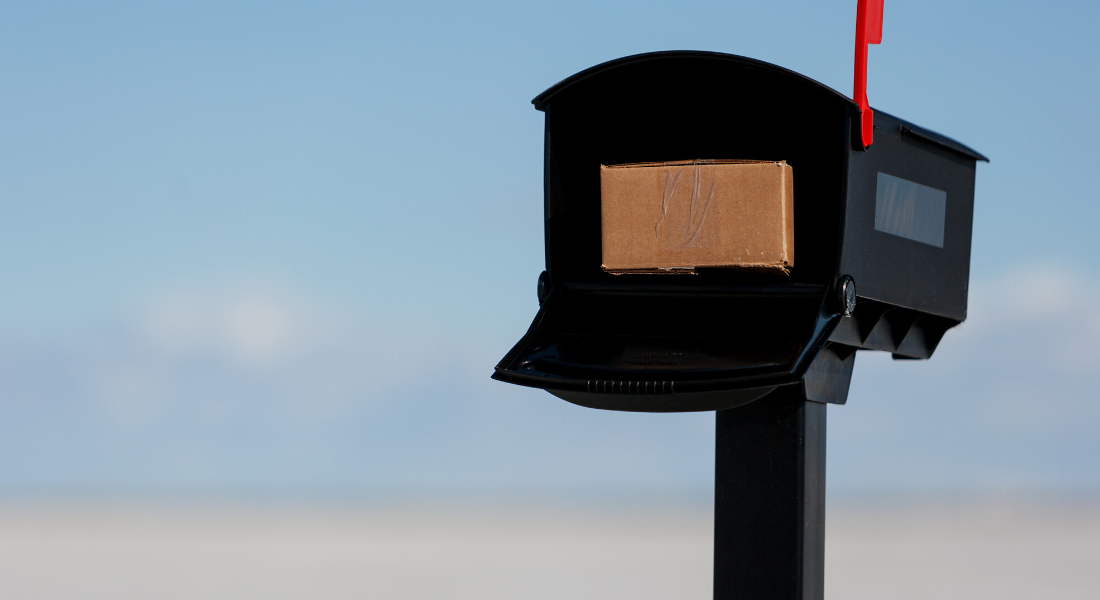
This initiative from the Florida Department of Health provides free HIV self-collection test kits by mail to Florida residents.
HIV and STI Home Test Kits
- I Want The Kit (IWTK)
IWTK stated as a project at Johns Hopkins University School of Medicine, offering STI testing kits in Maryland. The service now offers free and confidential in-home specimen collection and lab-based testing for chlamydia, gonorrhea, and trichomoniasis. - TakeMeHome
TakeMeHome is a free sexual health home testing program. It is a partnership between Building Healthy Online Communities , NASTAD, and Emory University. This service enables state and local health departments to offer free in-home sexual health tests to eligible community members. The tests available will vary depending on your zip code. - Free STI Home Testing Kits for Alabama Residents
STD/HIV home specimen collection and laboratory testing kits are available by mail for all Alabama residents, and to selected individuals who are on PrEP therapy. Persons may request one test every three months. Test kits include chlamydia, gonorrhea, syphilis, and HIV. - Free STI and HIV Tests for Colorado Residents
Anyone in Colorado who is 18 or over can get a free at-home testing once a year. If a person wants testing more than once a year, STI testing is available every three months at a low cost. Treatment is free. - Free STI and HIV Home Tests for Idaho Residents
The Idaho Prevention and Care Program and LetsGetChecked have partnered to provide free STI (sexually transmitted infection) & HIV tests to Idaho residents. - GetCheckedDC
GetCheckedDC is a free program that provides DC residents with confidential, convenient testing for HIV, chlamydia, and gonorrhea. - dontthinkknow.org
This program offers free home test kits for chlamydia and gonorrhea to young women, girls, transmen, and any person with a vagina age 12 to 24 in select counties in California.
Learn More About Testing