Rates of some STIs are seven times as high as in 2012

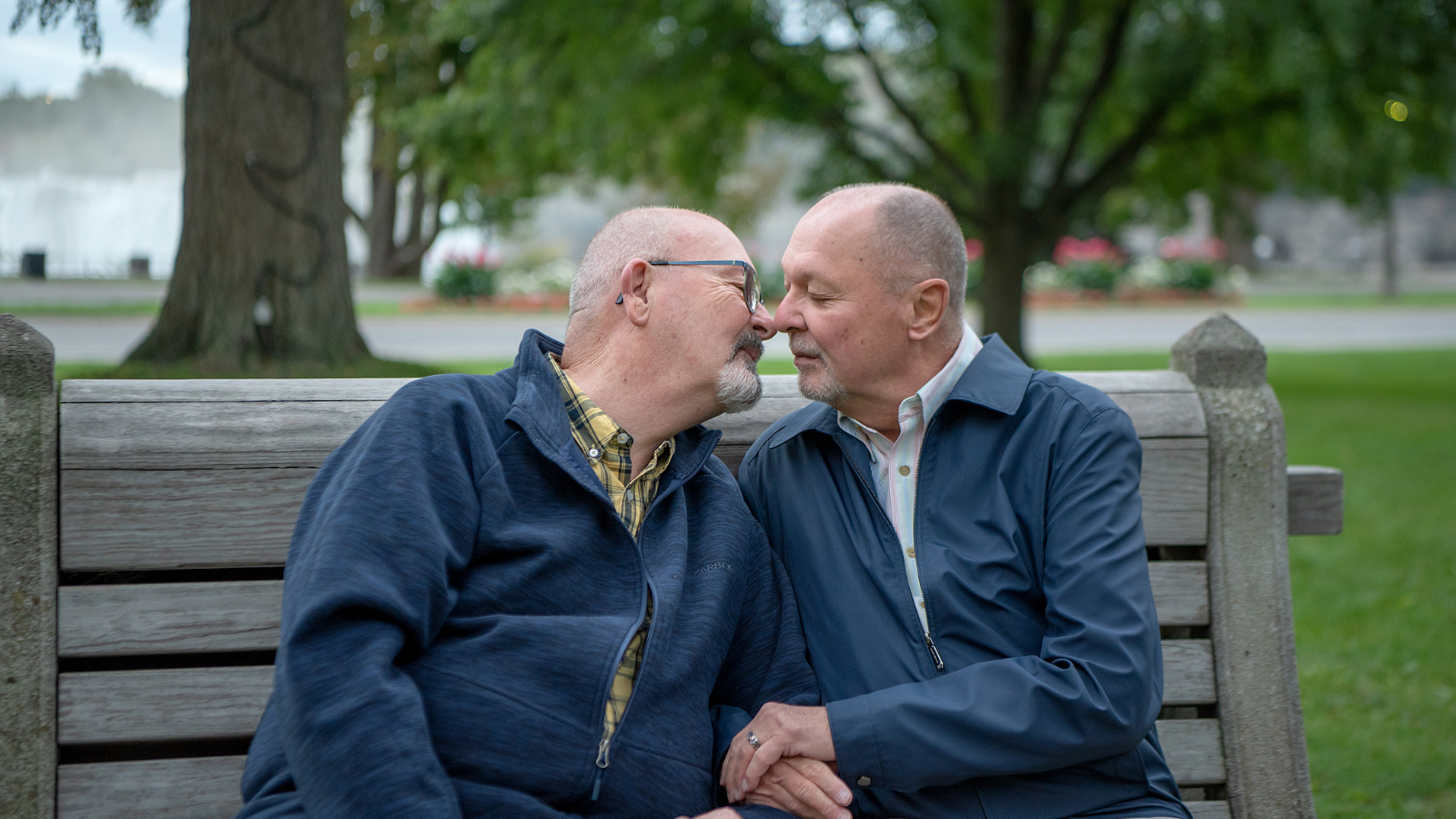
When we think about someone going to get a chlamydia test, we probably don’t picture a 60-something woman or an 80-year-old man. Our society tends to think of sex as something young people do. But Americans are living longer, staying healthier, and having sex well into their 60s, 70s, and beyond.
On the one hand this is great news—we should all be able to enjoy sex as long as we’d like. At the same time, sexually transmitted infections (STIs) among older adults have increased dramatically over the past several decades, and we’re still not talking about it.
A 2022 national survey by the AARP found that most older adults are having regular sexual intercourse. More than half (52%) of those 50 and older said they’d had sex in the week before the survey, and 25% of those in this age group said they typically have sex once a week. This included 17% of respondents who were 70 or older.
A similar survey by the University of Michigan also done in 2022 found that that 53% of women ages 50–64 and 30% of women ages 65–80 reported sexual activity including caressing, foreplay, masturbation, or intercourse.
While younger people still account for most cases of STIs each year, infections among older adults have been steadily rising. Among people 55 and older from 2012 to 2022:
In 2023, there were over 17,000 cases of chlamydia among people ages 55–64 and over 3,700 cases in those 65 and older. Similarly, there were over 15,600 cases of gonorrhea in people ages 55–64 and about 3,600 cases in those 65 and older. In 2023, there were about 3,800 cases of syphilis reported among people ages 55–64 and just over 1,000 in those 65 and older. (Syphilis is less common in all age groups.)
Experts have a number of theories as to why STIs are rising among older adults. As mentioned, people are living longer and having sex longer. This may be a result of improved overall health, relaxing attitudes about sexual behavior, and medications that help men with erectile dysfunction have intercourse later in life.
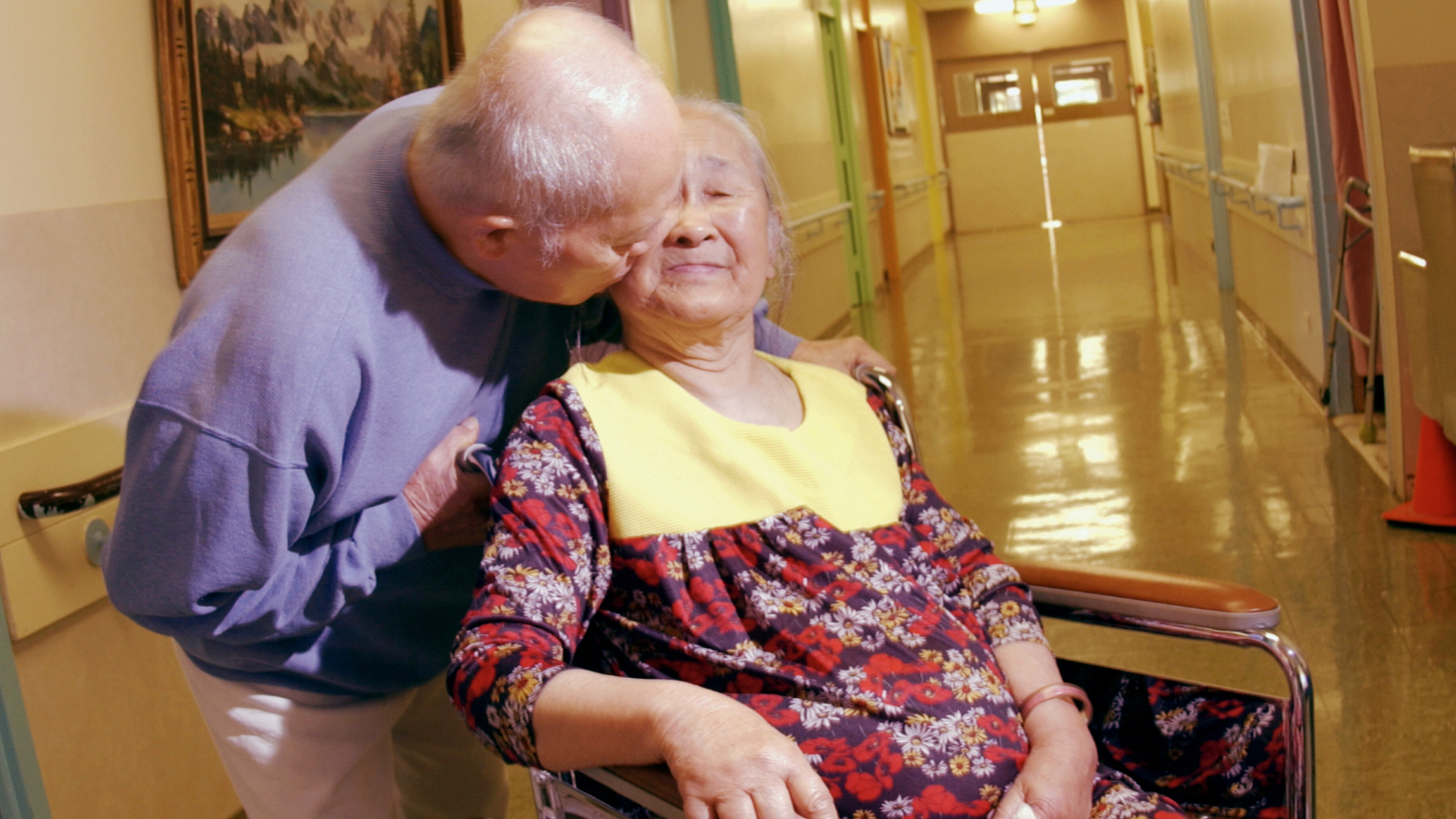
But there are other factors at play. Many older adults find themselves divorced or widowed after a long-term monogamous relationship and back in the dating pool. And many live in retirement communities or nursing homes that end up serving as a sexual network.
A sexual network is a group of people connected through sexual relationships. Whether a person is exposed to STIs has more to do with their sexual network than with their behavior. Two people with similar behaviors can have very different chances of being exposed to STIs depending on the networks they are part of.
In many retirement communities and nursing homes, there are more men than women (because women tend to live longer). If the men have multiple partners, STIs can spread quickly within this sexual network.
Much of the problem, however, is one of perception. Older adults don’t see themselves as people who need to worry about STIs, and society doesn’t see them that way either. This means that they don’t take precautions like using condoms and getting tested. It also means that public health campaigns and health care providers are not focused on these issues, so older adults don’t get the reminders that younger people do.
Older women may also be more likely to get some STIs for biological reasons. After menopause, lower estrogen levels can lead to thinning and drying of vaginal tissues, making tiny tears during sex more likely. Those changes combined with a weaker immune system may increase the likelihood of getting certain infections.
In addition, vaginal dryness, irritation, urinary symptoms, and discomfort during sex are common after menopause. These can be symptoms of STIs, but many women may just assume it’s normal for their age. This can delay testing and treatment.
Sexual health doesn’t have an age limit, and STIs can affect anyone who is sexually active. The same prevention strategies that work for younger people work for older adults: talking with partners, using condoms, getting tested, and seeking prompt treatment if symptoms develop.
Public health experts, health care providers, and older adults themselves must start thinking about preventing STIs and talking about this more openly. And all of us have to remember that sex isn’t just for young people.