
HPV FAQs with H. Hunter Handsfield, MD

H. Hunter Handsfield, MD

Most sexually active individuals are estimated to have one or more infections in their lifetime with the human papillomavirus (HPV) and, not surprisingly, ASHA receives countless HPV questions like:

What should I tell a partner?
Will I always have it?
How are HPV tests used?
How well do vaccines work?

In this episode, H. Hunter Handsfield, MD, covers these and other common questions about HPV. Dr. Handsfield is Professor Emeritus of Medicine, University of Washington Center for AIDS and STD, and former director of the Sexually Transmitted Diseases Control Program for Public Health—Seattle & King County, Seattle, Washington. 

Subscribe to Sex+Health at Apple Podcasts, Spotify, or wherever you listen to podcasts.

More to Explore

What You Need to Know About the HPV Self-Collection Test

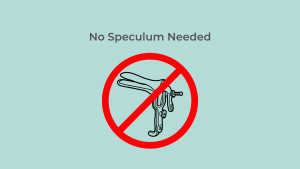
There’s a new way to screen for cervical cancer. With self-collection, you can take a sample of cells from your vagina. You still have to go to your provider’s office, but there’s no pelvic exam, stirrups, or speculum involved.

HPV screening with self collection endorsed by two organizations

HPV Screening with Self Collection Endorsed by Two Organizations

At the end of 2025, the American Cancer Society released its new cervical cancer screening guidelines. In January 2026, the Health Resources and Services Administration endorsed a new set of guidelines as well. Both suggest HPV screening with self collected samples is an acceptable option.

The HPV Vaccine Prevents Cancer

In the U.S., HPV infections are estimated to cause about 37,300 cases of cancer. The HPV vaccine can prevent over 90% of these cancers from ever developing.

Australia

Australia is Closer to Ending Cervical Cancer

Australia has been a leader in HPV-prevention and cervical cancer screening for decades. Because of this, it is now close to eliminating cervical cancer entirely. However, recent drops in vaccination and screening rates threaten this progress.

Social Media Toolkit on Cervical Health

If you’re passionate about cervical health awareness, the resources here are for you. Advocacy around cervical health is especially relevant during national observances, including Cervical Health Awareness Month in January.