HPV Screening with Self Collection Endorsed by Three Organizations

Three organizations—the American Cancer Society (ACS), the American College of Obstetricians and Gynecologists (ACOG), and the Health Resources and Services Administration (HRSA), part of the Health and Human Services Department (HHS)—have each recently endorsed new guidelines for cervical cancer screening.
The three sets of guidelines agree on most issues, but there are a few differences.
Where the Guidelines on HPV Screening Agree
- The HPV Primary Test is Preferred. All groups recommend that providers use an HPV primary test for patients of average risk between the ages of 30-65. This test looks for the types of HPV (human papillomavirus) that are known to cause about 70% of cervical cancers.
- If the HPV primary test is not available, the groups recommend co-testing. Co-testing involves an HPV test done at the same time as a Pap test (also called cytology).
- If this is not available, the groups all say that providers can use a Pap test alone.
- Self-collection is acceptable. The FDA recently approved HPV tests that use self-collected samples. All three organizations say that these tests are an acceptable screening method. But both ACS and ACOG continue to see provider-collected samples as the standard or preferred screening method.
- The ACS recognizes that seeing a health care provider for testing can be difficult for some people or in some areas. In those cases, it says that self-collected HPV tests are an acceptable alternative.
- ACOG says that self-collected samples are appropriate as long as there are systems in place for notification and follow up care.
- HRSA does not make any distinctions between provider-collected or self-collected samples.
- Both ACOG and ACS note that self-collection should only be done using tests and collection devices approved by the US Food and Drug Administration (FDA). Many of the tests sold online are not FDA approved for self-collection.
- Follow up after normal results in three or five years. How often a person should get screened depends on which test(s) they were given and how the samples were collected.
- People who get HPV primary testing or co-testing using a provider-collected sample and have normal results should be screened again in five years.
- Both the ACS and ACOG say that people who collect their own samples for HPV testing and have normal results should be screened again in three years. This distinction is not included in the HRSA guidelines.
- People who only get a Pap test and have normal results should be screened again in three years.
- Anyone who has abnormal results will likely need to be screened more frequently.
- Screening can end after age 65 if tests results were normal. All three organizations agree that most people who have an average risk level can stop screening after age 65.
- The ACS and ACOG both specify that people should stop screening at 65 only if they’ve had a decade of normal results. This means that they had negative HPV tests at 60 and 65 or that they had three consecutive Pap tests that were negative, and the last one was at age 65.
- HRSA guidelines also say screening can end at 65, but they are less specific about past results.
Where the Guidelines Differ
- ACOG and HRSA suggest starting screening at 21. Both ACOG and HRSA recommend that people get Pap tests every three years between ages 21 and 29 and start HPV primary testing or co-testing at age 30.
- ACS suggests starting screening at 25. The ACS recommends people start screening at age 25 and says that HPV primary testing is the preferred method for all age groups.
What this Means for Patients
For most patients, the screening test they get will depend on what their provider offers. Now that all three of these organizations have said they prefer HPV primary testing to co-testing, it is likely that more providers will offer that option.
HRSA’s guidelines also carry weight with insurance companies. Most private insurances companies are required to offer all recommended testing options as well as all follow-up testing without copays. (These recommendations affect insurance policies starting in 2027.)
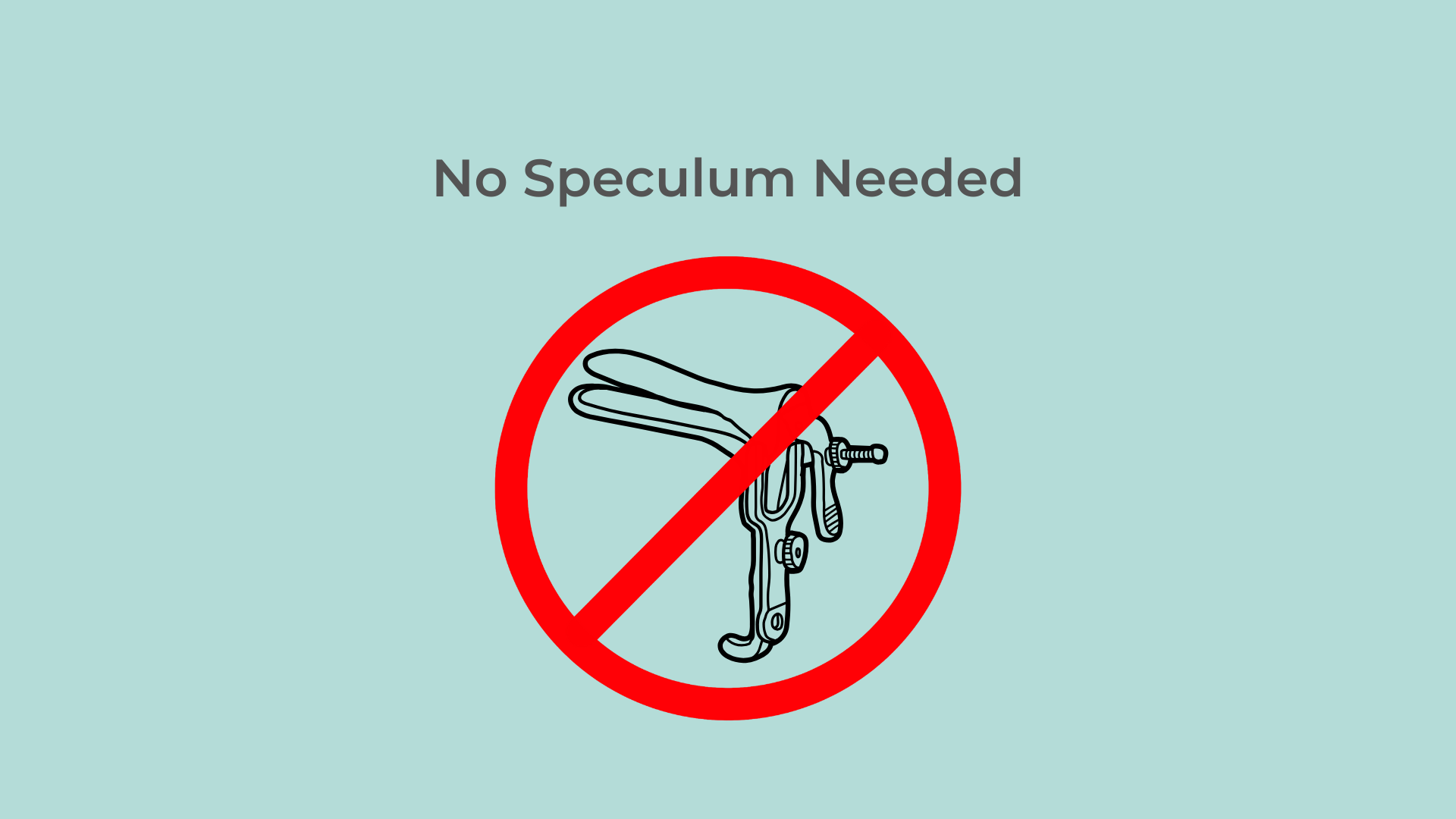
HPV screening with self-collection will hopefully expand cervical cancer screening beyond gynecologists’ offices. Patients could be screened at a primary care provider’s office, an urgent care clinic, a mobile clinic, or even in some pharmacies. Or they could choose to collect their sample at home. This can help people who don’t have access to a gynecologist, or those who don’t feel comfortable with vaginal exams.
Of course, the most important thing is that everyone with a cervix get screened for cervical cancer regularly. Anyone who has questions about whether they need to be screened or which test is best, should talk to a health care provider.
More to HPV and Cervical Cancer Prevention