



Understanding STI Test Results
So you got tested for STIs and have your results. Ideally, STI test results are easy to understand and you have a health care provider available to answer any questions. But sometimes you may find yourself with just a lab report filled with unclear terms.
Prevent HIV
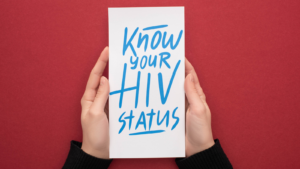
There are so many ways to prevent HIV. You can start by getting tested to learn your status.

Be PrEPared for Sex
Whether you’re thinking about having sex, starting a new relationship, or just have questions, we can help. Learn more about how to be prepared for sex.

Am I Ready for Sex?
Am I ready for sex? This is a very common question. Your question may be “How do I know if I’m ready to have sex for the first time?” or “How do I know if I’m ready to have sex with a new person?” or

What is sex?
The word sex has more than one meaning. On this page we explain some of the common sexual behaviors because we think being specific is always better.
Mpox Is Still Spreading in the U.S.
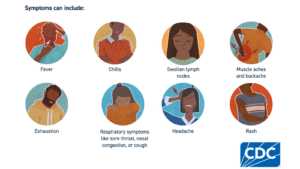
Mpox used to be rare in the United States. Before 2022, most cases were in people who’d traveled internationally or who’d had had contact with animals imported from other countries. That changed with the global mpox outbreak that began in 2022. That year, there were

Federal Government Invests $4 Million to Prevent Syphilis in Newborns
The U.S. Department of Health and Human Services (HHS) is investing $4 million to expand rapid syphilis testing. The goal is to find and treat more cases of syphilis during pregnancy to prevent congenital syphilis and its complications.
ACOG Recommends Removing Fallopian Tubes Instead of Tubal Ligation
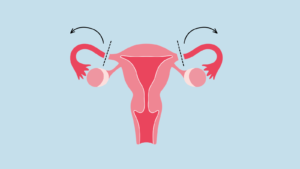
Studies show that removing fallopian tubes can reduce a person’s lifetime risk of ovarian cancer by as much as 78%. Based on this evidence, ACOG issued new guidelines encouraging doctors to remove fallopian tubes in certain situations, including for birth control.

BV and STIs Often Happen at the Same Time
A new study adds to growing evidence that bacterial vaginosis (BV) and sexually transmitted infections (STIs) often occur together.
Doxy PEP Becoming Less Effective Against Gonorrhea
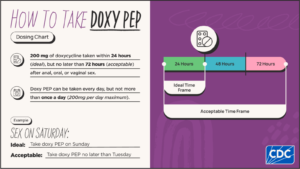
A new study found that while doxy PEP provides strong protection against chlamydia and syphilis, its ability to prevent gonorrhea has rapidly declined. Researchers believe that growing antibiotic resistance may be one reason why.