Your Self Image and Your Sexual Health
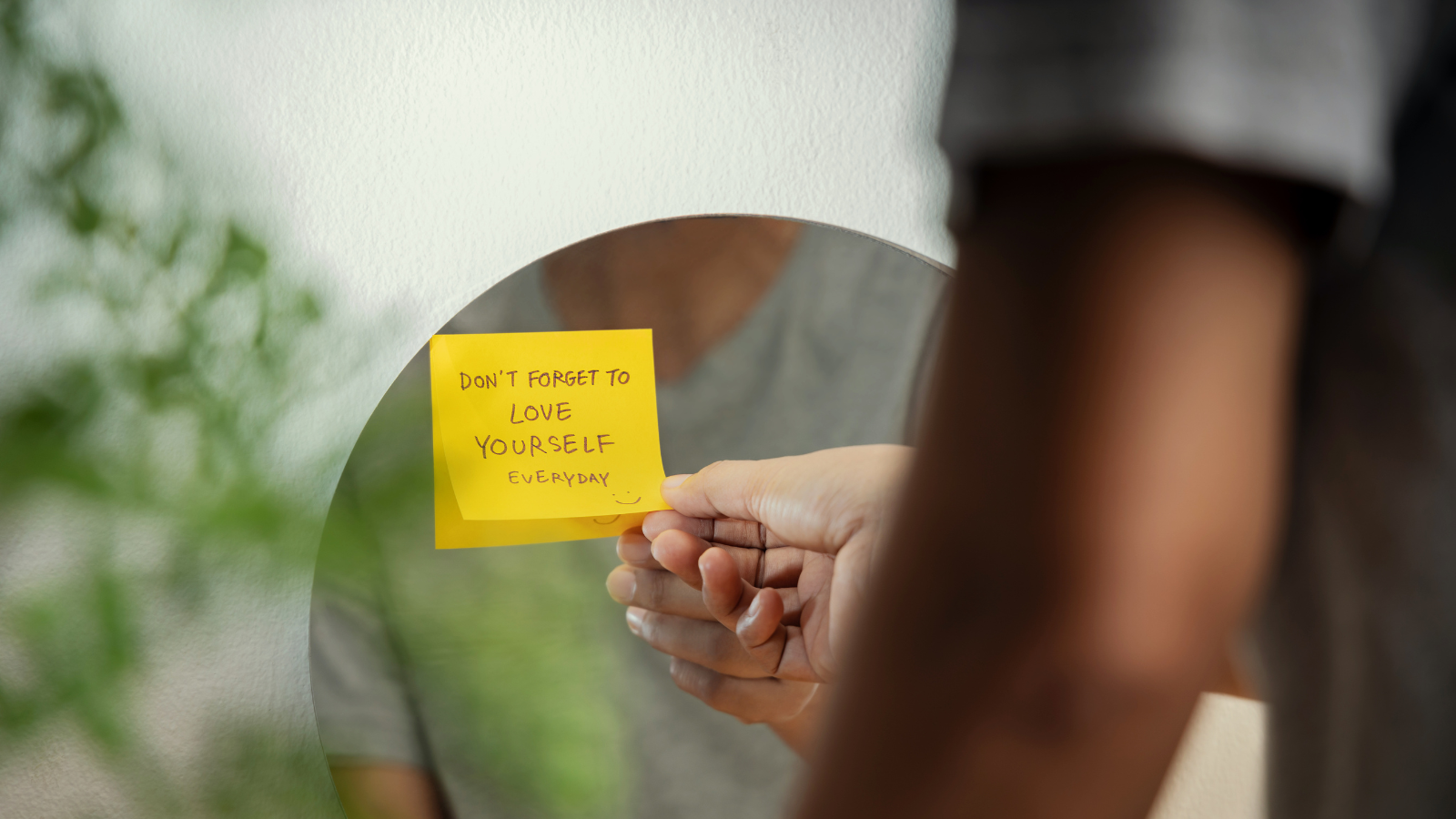
Your self-image is your mental picture of yourself, both as a physical body and a person. This mental picture is important to your wellbeing. A healthy body image means that you see yourself as you really are, and that you feel good in your own skin. Self-image also involves your emotions about your strengths, weaknesses, and abilities. Because sex involves both the body and the mind, our self-image can have a strong affect on our sexual health.
It’s important to realize – and remind yourself every day – that just as you have a unique mind with its own gifts to offer the world, you also have a unique body that is one-of-a-kind. This is helpful to remember if you’re feeling self-conscious about the way you look. Valuing and respecting your own body is a crucial part of a healthy sexual life (and a healthy life in general)!
The Influence of Media
Images in the media don’t typically show reality. To make products seem more appealing, those are often edited out on models or spokespeople. This isn’t just limited to advertising. On social media, apps like FaceTune or Photoshop are often used by ordinary people to perfect “flaws.” It’s so hard to know what’s real.
Because of this, it’s important to not compare yourself to the images that we see online or in porn. Think about what you like about your body. What’s your favorite feature? What are your favorite activities? Your body makes it possible for you to do these things. Some examples might be: “I really like the way my cheeks look when I smile” or “I’m glad I have strong legs so that I can bike as far as I can” or as simple as “I’m glad that I can communicate with my mouth.”
The more you actively value your own unique qualities, the easier it is to think about your body as an extension of the amazing personal traits that you possess. If you routinely struggle with this or If your self-image feels overwhelmingly negative, it’s a good idea to talk to a healthcare provider about how to get help.
Body Image and Sexual Satisfaction
It should be no surprise that a negative body image can impact our sex lives. One way it does this is through distraction—if we’re focused on concerns about appearance or body self-consciousness, we can’t focus on enjoying our sexual experiences. It can also lead us to avoid sex altogether—studies have shown that women who were less confident about the bodies were more likely to avoid sex and less likely to initiate it with their partners. Research on men reveals similar problems, with negative body attitudes related to sexual dissatisfaction. And central to men’s body image concerns were the appearance of their genitals.
Insecurity about genital appearance can affect everyone, though, regardless of gender. Like any other part of the body, our genitals are unique. But for some people, it’s another part of the body to feel insecure about, worrying that they don’t measure up in one way or another. Porn can play a role, making it seem as though there is only way for a vulva to look or an expected penis length. But the truth is, there is no standard. Quite the contrary—there is a tremendous amount of diversity.
Take vulvas, for example. There’s a lot of variety in the shapes, colors, and textures of labia, clitorises, and vaginal openings. For proof of this, check out The Vulva Gallery, a project of Amsterdam-based illustrator Hilde Atalanta. This collection of vulva portraits showcases a wide variety of vulvas alongside personal stories from women, men and non-binary people celebrating body diversity.
The project reminds us that there is no “normal” when it comes to genitals. As long as you are able to use the bathroom, menstruate, and engage in sexual activity that you are looking for, your vulva is normal. Abrupt changes like bumps or irritation are cause for concern. But, otherwise, your vulva is beautiful and uniquely yours.
As for the penis, much of the concern revolves around size. Penis size is determined entirely by factors out of our control. But questions about size abound; What’s the average penis size? Can I increase my penis size? Does it matter as much as I think it does?
The answer to the last one is easy—no, it doesn’t. A review of various studies showed that the average size for a flaccid (non-erect) penis can range from 1 to 4 inches, and the average for an erect penis is around 6 inches. But average does not mean normal. Just as with vulvas, there is no one normal. Instead there is just beauty in diversity. You can see some of this in the work of photographer Laura Dodsworth, who shares portraits of 100 men in her book Manhood: The Bare Reality. Both cisgender and transgender men share their stories—and photos of their penises—in another celebration of genital diversity.
Self Image as We Age
Even if we do have a positive self image and feel confident in our bodies and sexual selves, this can change with age. As our bodies begin to experience new changes, it is important to continue to remind yourself of the amazing things that your body can do.
If you have a vulva, its texture and feeling will change as you age, as will your vagina—especially if you choose to have children. Long-term changes to your vagina and vulva are also normal and to be expected. Some of these changes, like vaginal dryness, can be managed with medication. Menopause is a transition that can that can be additionally challenging. Your body chemistry may shift very abruptly, and it can be difficult to deal with the emotional changes that can accompany the physical ones.
For those with a penis, the are also changes. The nerves in the penis become less sensitive with age, and erectile dysfunction is more common. With less blood flow to the penis, it may also change color. This lack of blood flow, along with any extra weight gained, may make the penis appear smaller as well.
Beyond all of these physical changes, the process of aging brings on new feelings and experiences that can affect your sexual life and your self-perception. Actively learning about what to expect as you age can help you prepare for the feelings that those changes may bring. Don’t hesitate to ask your health care provider about what you should be watching for as your body goes through the stages of life. Remember that your body is an amazing thing; it is capable of showing love, giving and receiving pleasure, and experiencing new things!
Keep Reading