
Working Toward Sexual Health Promotion

Recently, there has been a significant leap in the recognition of sexual health as a central component of overall health. Our understanding of sexual health has moved slowly from a purely disease perspective to a broader perspective of what it means to be sexual healthy.
Sexual Rights for Seniors
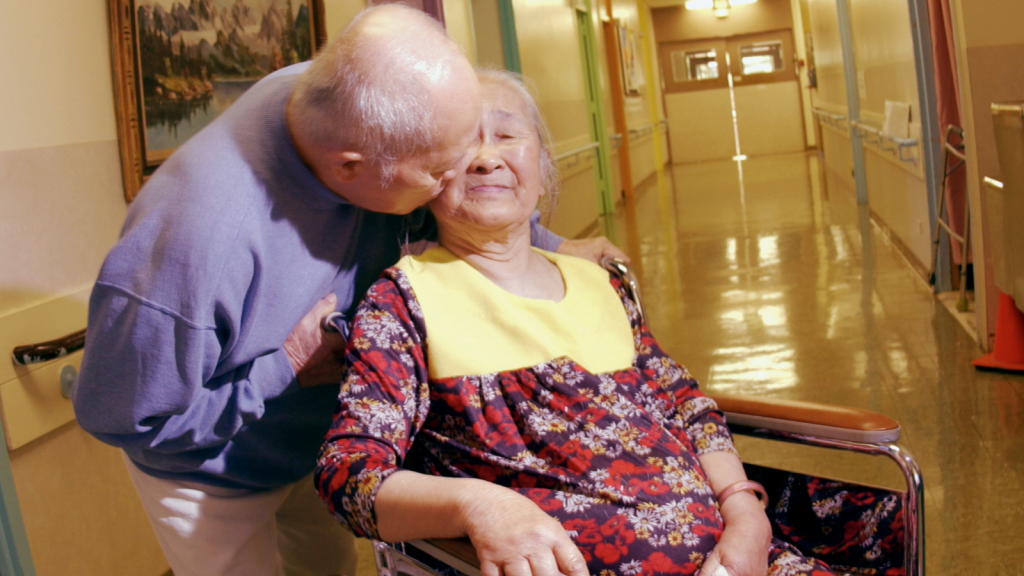
When I think of rights typically those of the civil/legal variety are what come to mind. A right to have sex, though? While it may not be enshrined in the Constitution, it does make sense that humans should be free to pursue what nature obviously intended us to do.
Celebrating Sexual Pleasure

Sexual pleasure is always worth celebrating. Sex has been shown to promote better sleep habits, less stress, and more happiness. Our bodies thrive on the chemicals released during orgasm, so a healthy sex life is indeed part of a healthy body.
National Gay Men’s HIV/AIDS Awareness Day

September 27 is National Gay Men’s HIV/AIDS Awareness Day. This national awareness day was first launch in 2008 by the National Association of People with AIDS (NAPWA), as a way to draw attention to the disproportionate impact of the HIV/AIDS epidemic on gay men. According to the Centers for Disease Control and Prevention (CDC), about […]
Myths and Facts about HPV

There are many myths and misconceptions about genital HPV. We’re clearing up some common ones here
HPV: What Men Need to Know
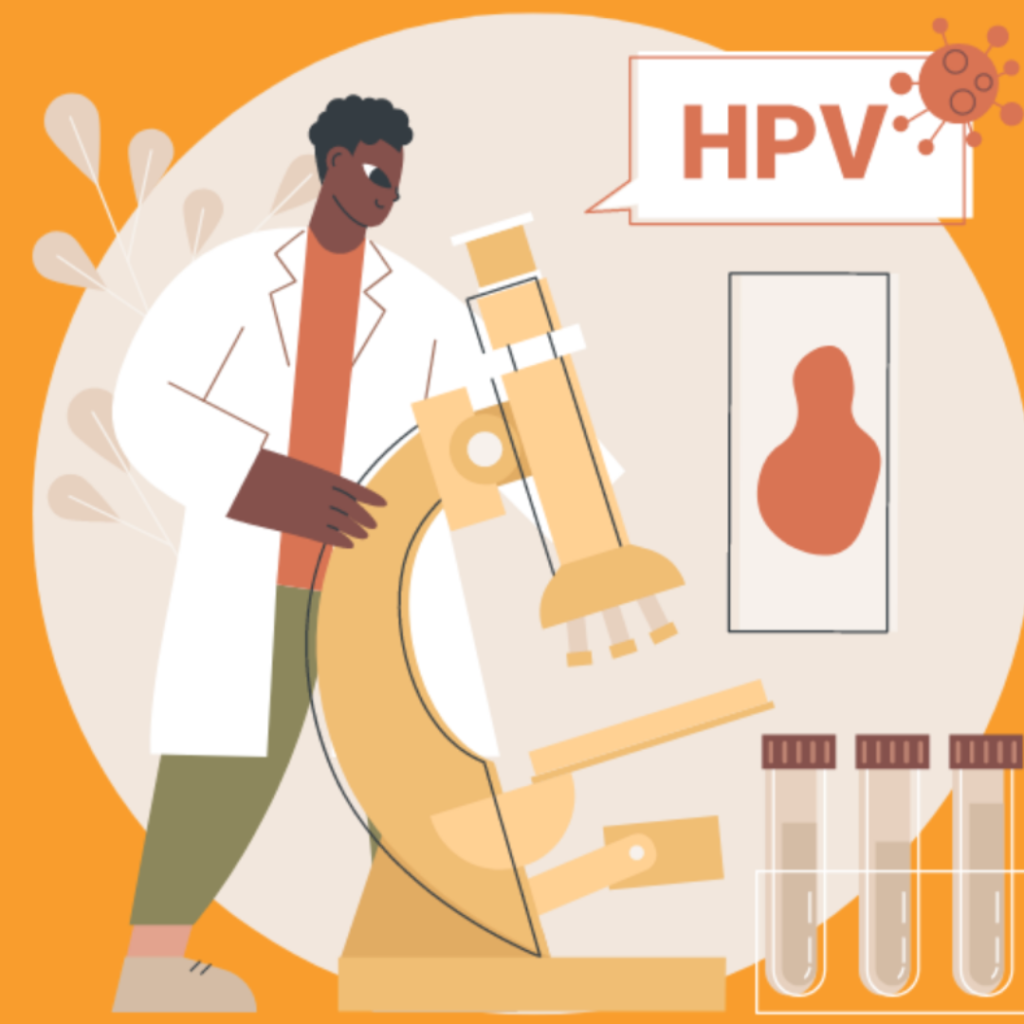
HPV (a.k.a. human papilloma virus) is an equal opportunity virus, infecting both men and women. Men can get infected with HPV, and most do—it’s so common that nearly all sexually active people will have HPV at some point in
their lives.
How to Prevent HPV and Cervical Cancer
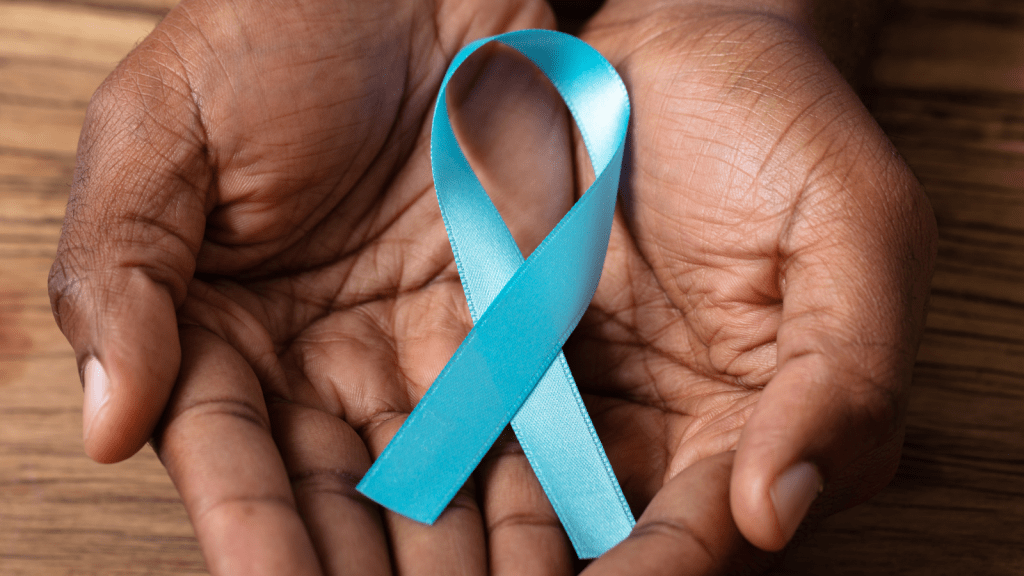
Though usually harmless, some types of HPV cause cervical lesions that, over a period of time, can develop into cancer if untreated.
A Guy’s Guide When His Partner is Diagnosed with HPV

Danielle Sepulveres, author of Losing It: The Semi-Scandalous Story of an Ex-Virgin, offers insight for male partners of women diagnosed with HPV or a related condition. Here, Sepulveres offers a quick FAQ to help men get a clue.
Herpes Support Groups

Support groups provide information and allow participants to share experiences, fears, and feelings with others who are concerned about herpes.
Herpes and Relationships

The best way for couples to deal with herpes is to talk about it openly and make decisions together. So what’s the best way to start the conversation?