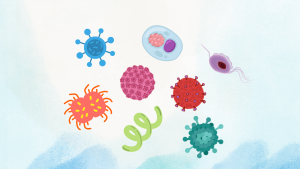
STDs A to Z
Sexually transmitted infections, or STIs—also called sexually transmitted diseases, or STDs—affect people of all ages, backgrounds, and from all walks of life. In the U.S. alone there are about 20
Sexually transmitted infections, or STIs—also called sexually transmitted diseases, or STDs—affect people of all ages, backgrounds, and from all walks of life. In the U.S. alone there are about 20
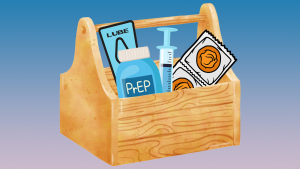
Explore ways to make sex safer and communicate with your sexual partners about your expectations and boundaries.

The STI National Plan has now been amended to add genital herpes as a priority.

Taking care of your sexual health means knowing your body, understanding how it works, and being able to recognize when something isn’t quite right. It also means preventive care that

Links to Additional Resources We hope you find the organizations referenced below helpful in providing additional information. ASHA cannot guarantee that these resources will be able to answer all of

ASHA is thrilled to partner with Elevate Theatre Company on this online theater event, Runneth Over. Runneth Over by Sabrina Jacob Washburn. explores themes of women’s sexual health, cervical cancer

Why are STI rates so high among young people? For insight we chatted with Dr. J. Dennis Fortenberry, a Professor in the Department of Pediatrics at the Indiana University School

Women have an array of contraception options from which to choose, a veritable buffet of offerings: implants, IUDs, injections, the pill, the patch, vaginal rings, diaphragms and cervical caps, the

It’s important to know how your body works, and be able to recognize when something isn’t quite right. If something changes or doesn’t seem quite right, get checked by a

By the age 25, half of all youth will have acquired one or more infections. That’s more than 9 million youth with a sexually transmitted infection. Young people aged 15-24