

There Are Two New Drugs to Treat Gonorrhea
The FDA approved two new drugs to treat gonorrhea The new drugs—gepotidacin and zoliflodacin—are both new kinds of antibiotics and represent the first completely new treatment options in over thirty years.
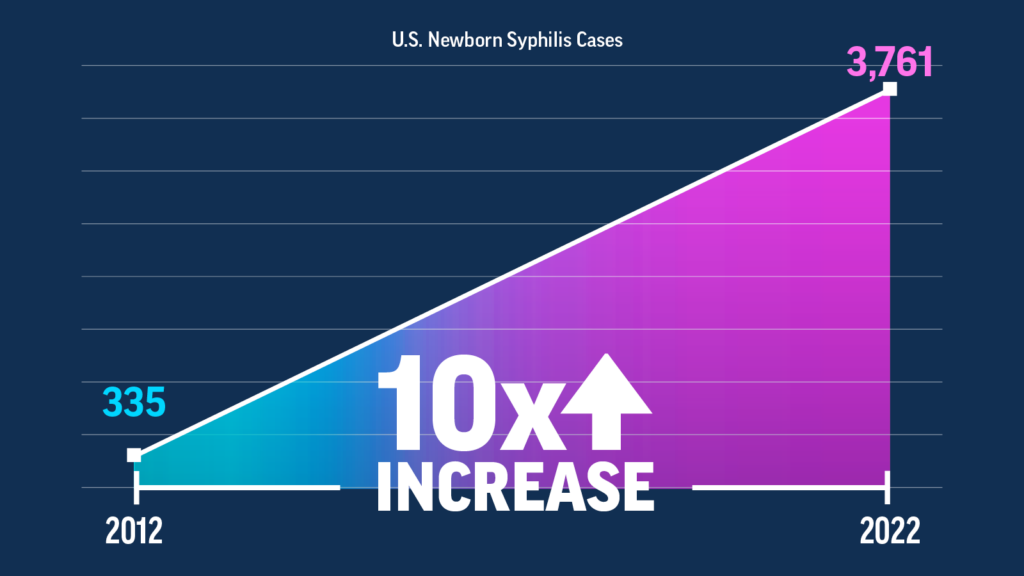
The Centers for Disease Control and Prevention (CDC) is sounding the alarm on newborn syphilis. Cases of infants born with syphilis have soared in recent years. New CDC data reveal that more than 3,700 babies were born with syphilis in 2022—more than 10 times the number born in 2012.
Syphilis during pregnancy is a serious issue. It can cause miscarriage, stillbirth, and infant death. Babies born with syphilis can face lifelong medical issues. This is why screening for syphilis is recommended for all pregnant patients, so infections can be found and treated.
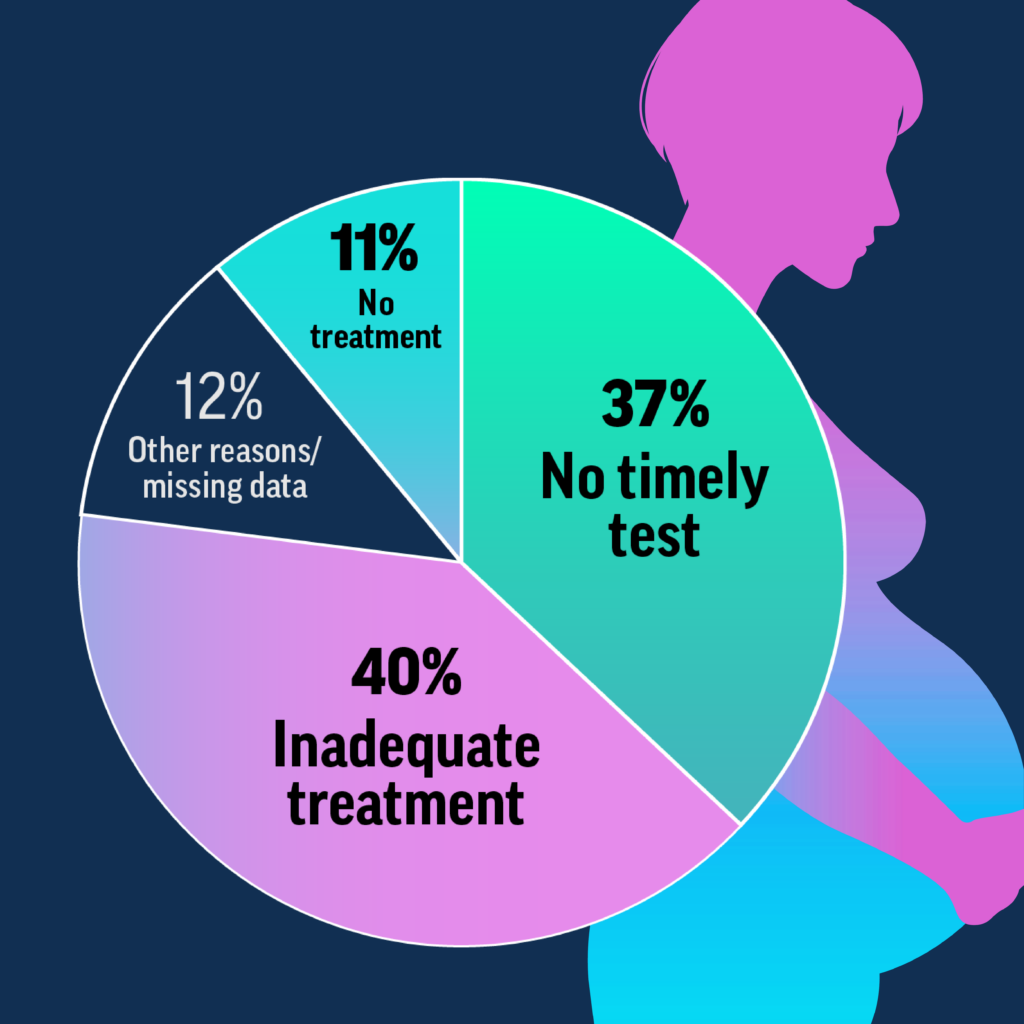
As CDC notes, there were many missed opportunities to prevent newborn syphilis. For example, 2 in 5 (40%) people who had a baby with syphilis did not get prenatal care. Some pregnant patients were not screened for syphilis or were not treated after testing positive. Overall, 9 in 10 cases of newborn syphilis in 2022 might have been prevented with timely testing and treatment.
There are also clear disparities in newborn syphilis cases. In 2021, babies born to Black, Hispanic, or American Indian/Alaska Native mothers were up to 8 times more likely to have newborn syphilis than babies born to white mothers. These disparities stem from unfair and unjust systems, policies, and practices.
Newborn syphilis is a preventable problem. As the CDC states in its report, “Increasing rates of syphilis among babies reflect a failure of the U.S. health system.”
While there are large, systemic problems that play a role, like institutional racism and lack of access of care, there are clear steps that can be taken. CDC has offered guidance to health care providers and health departments on timely testing and treatment.
Read more about syphilis prevention, testing, and treatment here.

The FDA approved two new drugs to treat gonorrhea The new drugs—gepotidacin and zoliflodacin—are both new kinds of antibiotics and represent the first completely new treatment options in over thirty years.

The American Cancer Society (ACS) released new recommendations for cervical cancer screening that focus on HPV testing and approve the use of self-collected samples. The recommendations also clarify the age at which screening should start and stop.

A committee that advises the Centers for Disease Control and Prevention (CDC) made an alarming change to the recommendations for the hepatitis B vaccine that will leave some infants unprotected.

A new report from the World Health Organization (WHO) warns of rising levels of drug-resistant gonorrhea. The data comes from reported cases of gonorrhea in 12 countries across five WHO regions.

We’ve known for years that the HPV vaccine works. Now new research shows that widespread vaccination even protects those who haven’t gotten the shot. This study proves that it is possible to reach herd immunity for HPV.

HPV is one of the most common sexually transmitted infections. Still, finding out that you or your partner has it can feel stressful and confusing. It’s normal to have a lot of questions: What does this mean for our health? Did someone cheat? Should we stop having sex?
ASHA believes that all people have the right to the information and services that will help them to have optimum sexual health. We envision a time when stigma is no longer associated with sexual health and our nation is united in its belief that sexuality is a normal, healthy, and positive aspect of human life.
ABOUT
GET INVOLVED
ASHA WEBSITES
GET HELP
© 2025 American Sexual Health Association