Fewer Women Are Getting Prenatal Care
(and Missing an Important Chance to Prevent Congenital Syphilis)

A pregnant person kneels on the floor

New federal data finds that fewer pregnant people in the United States are getting prenatal care early in pregnancy. Early prenatal care doctors find pregnancy problems, like gestational diabetes and pre-eclampsia, early. It can also help prevent rising congenital syphilis rates by testing and treating infections early.

According to the new report by the Centers for Disease Control and Prevention (CDC), the percentage of pregnant patients who received care during their first trimester dropped from 78.3% in 2021 to 75.5% in 2024. Most patients who didn’t start early, do start prenatal care in the second trimester. However, the report also found that 7.3% of pregnant patients in 2024 didn’t receive care until very late in their pregnancy or received no care prenatal care at all. This is up from 6.3% in 2021.

Some States and Communities Saw More Declines in Prenatal Care

The decline in early prenatal care hit some communities harder. including Native Hawaiian and Pacific Islander women, Black women, and Hispanic women. In 2024, less than half of Native Hawaiian and Pacific Islander expectant mothers had prenatal care in the first trimester. 

There were also differences between states. The percentage of patients who received late or no care increased in 36 states and Washington, DC. In five states—Florida, Georgia, Hawaii, New Mexico and Texas—more than 1 in 10 mothers received late or no care.

“Babies of mothers who do not get prenatal care are three times more likely to have a low birth weight and five times more likely to die than those born to mothers who do get care.”

Why Prenatal Care is Important

Prenatal care throughout pregnancy can help doctors find and treat health issues. Patients who have a UTI, for example, can be given antibiotics. Those who have high blood sugar may be put on a strict diet. And those who are at risk for pre-eclampsia—a condition that causes dangerously high blood pressure late in pregnancy—may be told to take a daily baby aspirin to lower their risk.

How Prenatal Care Can Prevent Congenital Syphilis

Similarly, patients who test positive for syphilis can be treated before they risk passing it to their baby. Syphilis is a sexually transmitted infection caused by bacteria. If a pregnant patient has syphilis, they can pass that infection to their baby. This is called congenital syphilis, and it can be dangerous.

Congenital syphilis can cause miscarriage, stillbirth, and even infant death. Babies born with syphilis can face lifelong medical issues. Public health experts recommend that all pregnant patients be tested for syphilis at their first prenatal appointment and then again before birth. Patients who test positive can be treated with antibiotics.

Unfortunately, congenital syphilis has been rising in recent years. There were 3,755 babies born with congenital syphilis in 2022 alone. This is over 10 times more babies than were born with syphilis in 2012. Congenital syphilis is more likely in people who haven’t received prenatal care.

Why Prenatal Care is Declining

The new CDC study did not look at why fewer pregnant patients are getting early prenatal care, but there are likely many factors. Some women may not have health insurance and not be able to pay for care throughout their pregnancy. Others may not be able to find a provider close to home.

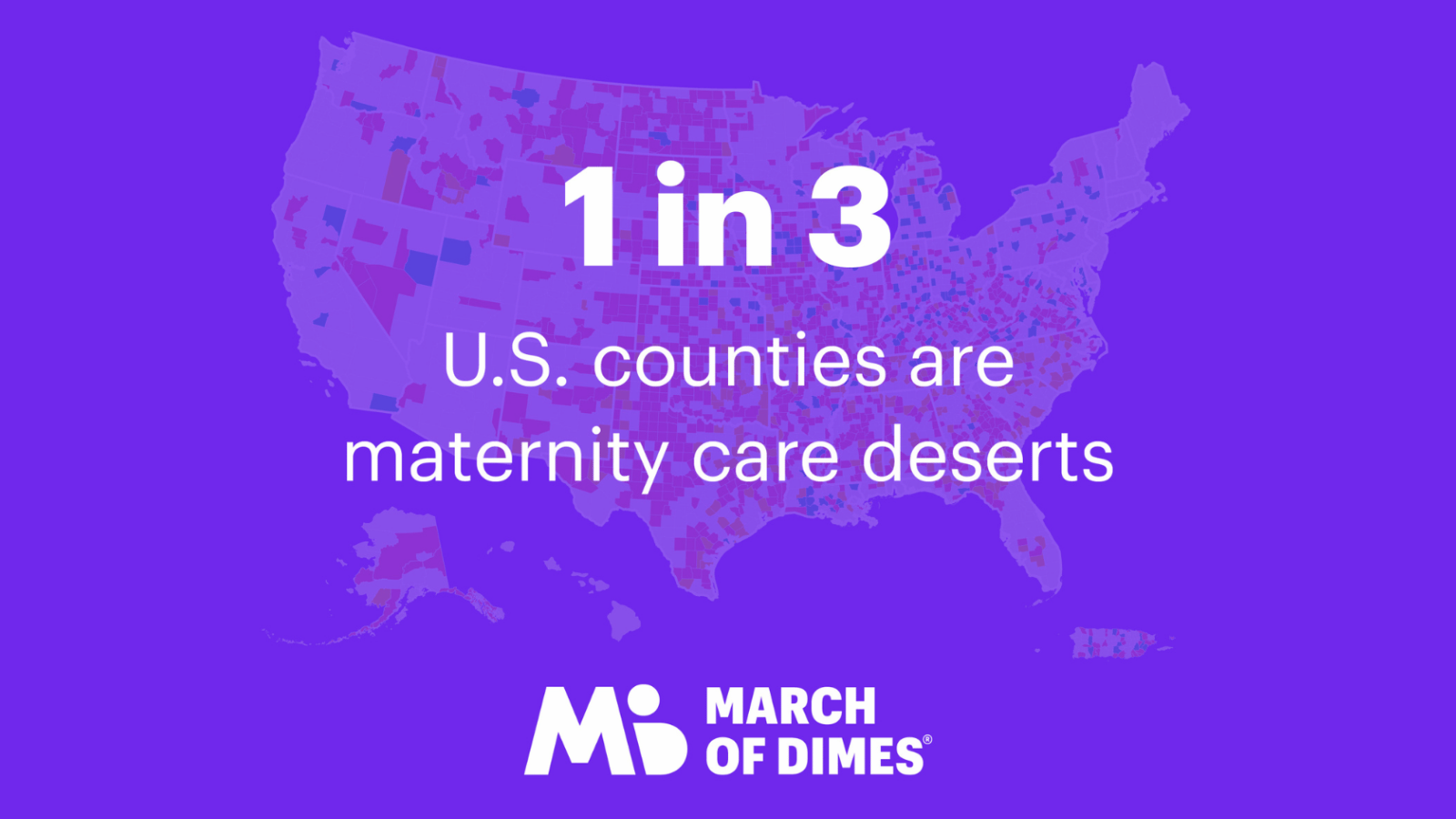
A 2024 March of Dimes report found that over a third of U.S. counties don’t have a single doctor, nurse, midwife, or medical center specializing in maternity care. These areas are called “maternity care deserts.”

Public health experts are urging pregnant women to seek early prenatal and calling on states and the federal government to help address the barriers to care.

Learn More

Maternity Care Deserts

Federal Government Invests $4 Million to Prevent Syphilis in Newborns 

The U.S. Department of Health and Human Services (HHS) is investing $4 million to expand rapid syphilis testing. The goal is to find and treat more cases of syphilis during pregnancy to prevent congenital syphilis and its complications.
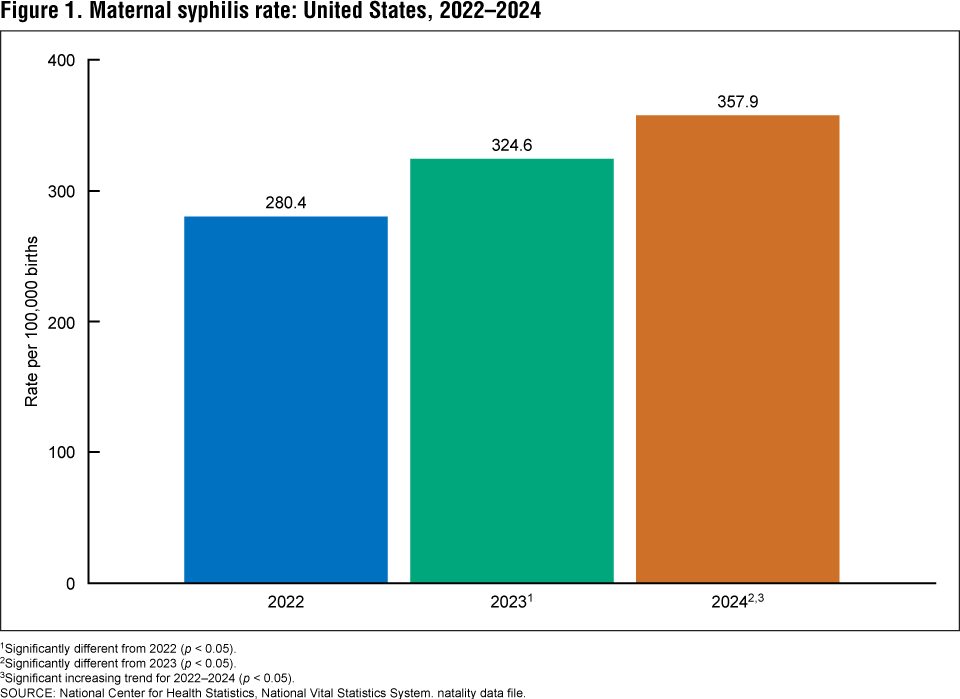
Syphilis rates in pregnant women in the U.S. 2022-2024

Syphilis Rates in Pregnant Women Continue to Rise

Syphilis rates in pregnant women went up 222% percent between 2016 and 2022 and another 28% between 2022 and 2024. Too many pregnant women are not being screened.
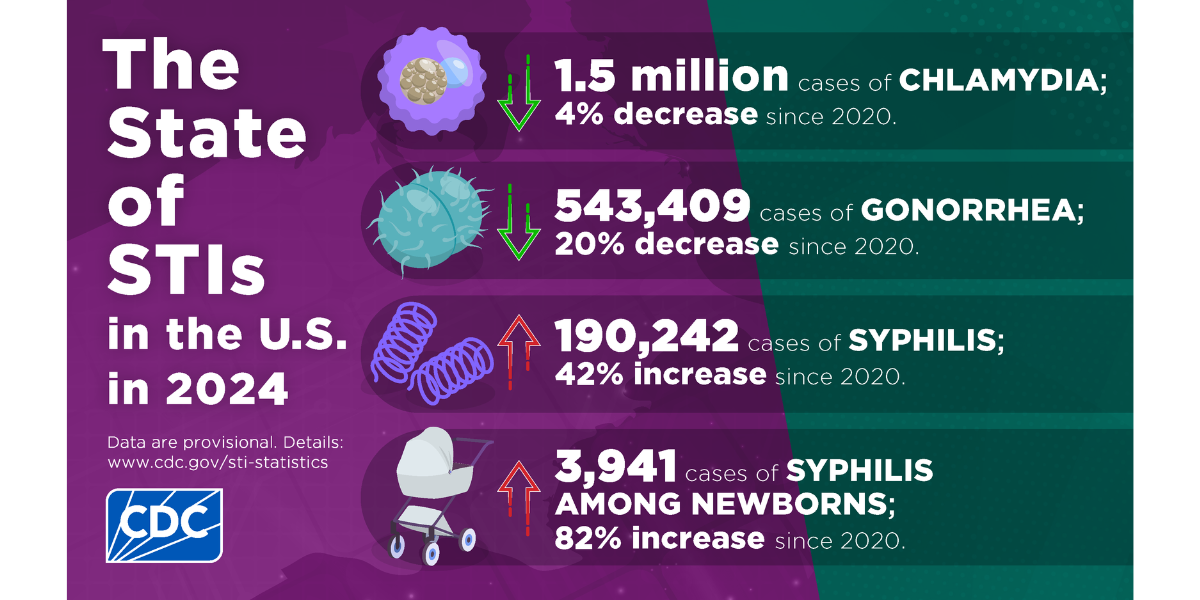
The State of STIs 2024

Latest Data Shows that Chlamydia, Gonorrhea, and Syphilis Rates are Dropping

The CDC just released STI Surveillance Data for 2024 that show cases of chlamydia, gonorrhea, and syphilis are slowly declining.
A needle is inserted into a vial

One Dose of Penicillin Found Effective for Syphilis 

A new study found that a single shot of benzathine penicillin G (BPG) treated early syphilis as well as the standard three-injection regimen.
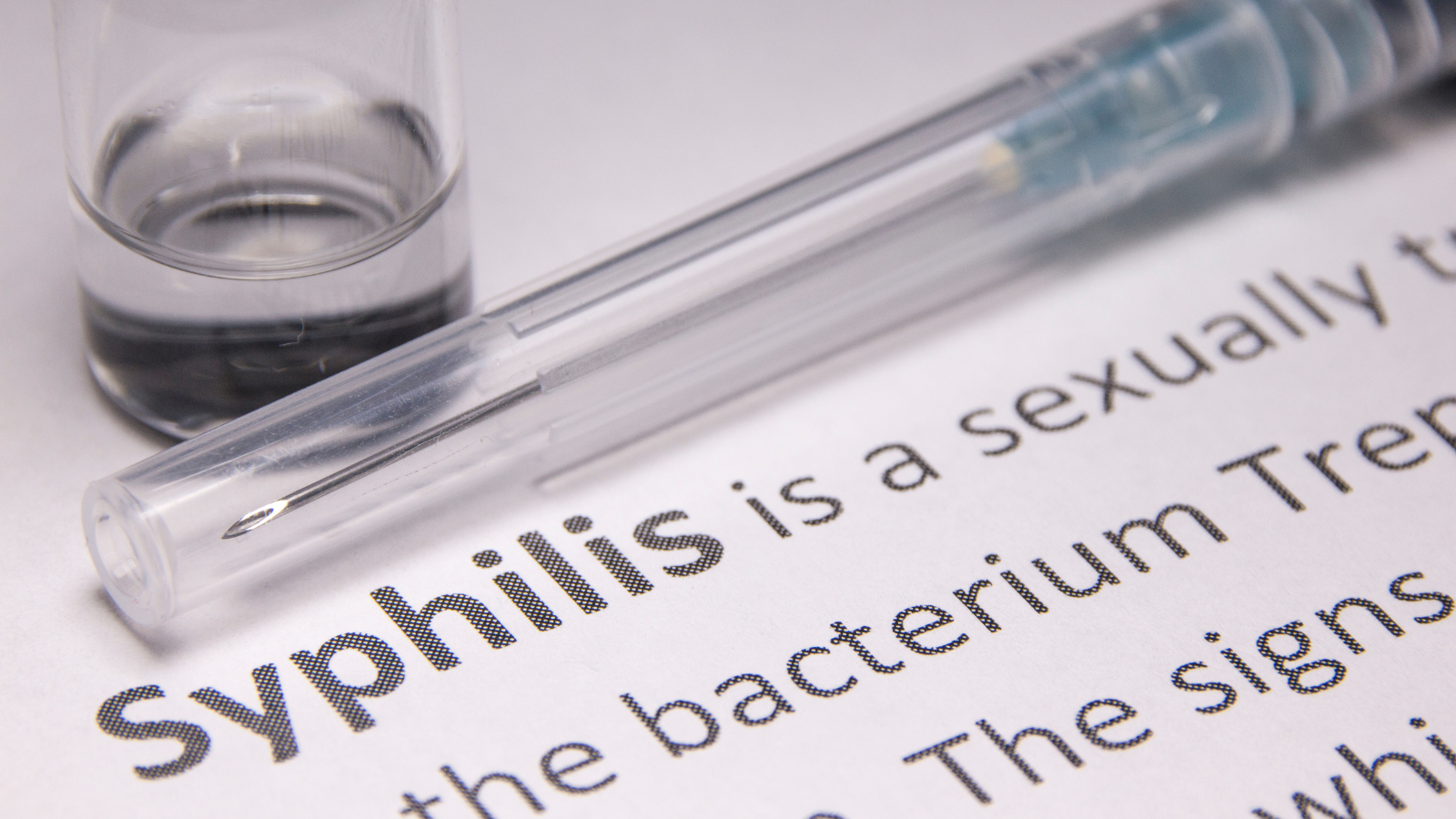
A needle with syphilis treatment

A Drug Recall May Mean a Another Shortage of Syphilis Treatment

An antibiotic that is important in the fight against syphilis will once again be hard to find, this time because of a voluntary recall by the manufacturer.
A pregnant patient at a doctor's appointment

New Report Highlights Missed Opportunities for Congenital Syphilis Prevention

A new report from the Centers for Disease Control (CDC) shows that we’re missing opportunities to prevent congenital syphilis and save lives.

Learn More About Doxy PEP from Three People Who Take It

Many people who take doxy PEP say it gives them peace of mind in their relationships and sex life. We sat down with Oscar Alexis, Efthimios, and Maxfield Haynes to talk about doxy PEP and get their perspective.
Emergency room

Universal Screening for Syphilis in Emergency Departments Can Catch Infections that Would Otherwise Be Missed

A new study found that opt-out screenings for all patients in emergency departments caught numerous cases of syphilis and HIV that would have gone undetected under other screening protocols.
A man speaks with a health care provider

Two Studies Show Doxy PEP is a Winning Strategy

Two studies published in this month’s JAMA Internal Medicine offer encouraging findings about the use of Doxy PEP.
Northwest Portland Area Indian Health Board (NPAIHB)

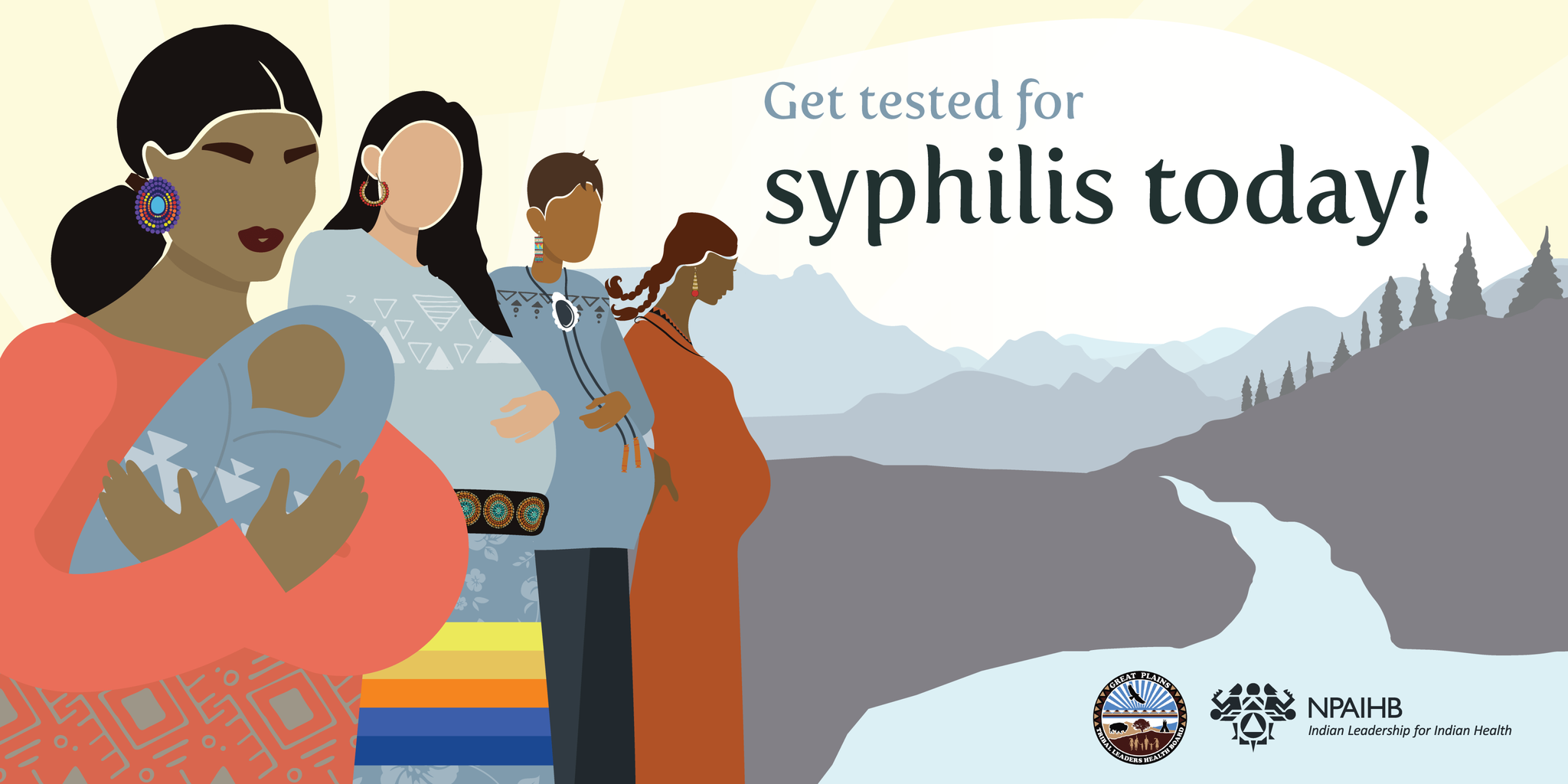
Tribal Leaders Want Syphilis to Be Declared a Public Health Emergency

According to the Great Plains Tribal Epidemiology Center, syphilis rates among Native Americans in Iowa, Nebraska, North Dakota, and South rose 1,865% from 2020 to 2022.
Finger prick blood test

FDA Approves First At-Home Syphilis Test 

The FDA recently approved an at-home test for syphilis that can provide initial results in just 15-minutes. Syphilis has been surging in recent years with the number of cases rising 80% between 2018 and 2022 alone.
An infant is in an incubator in the NICU

Understanding the Social Factors Associated with Congenital Syphilis

Public health experts have said that every case of congenital syphilis is a failure of STI screening and prenatal care. A new study looked more closely at cases to see what factors in a pregnant person’s life were most associated with congenital syphilis.
A pregnant woman tested for syphilis

New Guidelines on Syphilis Testing in Pregnancy

The American College of Obstetricians and Gynecologists released new guidelines recommending that all pregnant people be screened for syphilis three times during pregnancy.
A man handed a prescription for Doxy-PEP

Doxy PEP Can to Help Prevent STIs

Read through FAQa on doxy PEP is the strategy of taking the antibiotic doxycycline after condomless oral or anal sex to prevent chlamydia, gonorrhea, or syphilis.
Doxy-PEP works

New Studies Add to Evidence that Doxy PEP Works for STI Prevention

New studies add to our evidence that doxy PEP works to prevent bacterial STIs among transgender women and men who have sex with men.
The number of babies born with syphilis in the United States is increasing at an alarming rate. There were over 10 times as many babies born with syphilis in 2022 than in 2012.
Syphilis can be cured

Understanding Syphilis and How to Prevent It

Syphilis can be treated more easily if it is caught early. But undiagnosed and untreated syphilis can be dangerous. It can cause irreversible health damage and even death.
Alarming Rise in Syphilis rates

The State of STIs — CDC Reports an Startling Rise in Syphilis

CDC released new surveillance data on sexually transmitted infections. There were 2.5 million cases of chlamydia, gonorrhea, and syphilis reported in the United States in 2022. Most alarming was a rise in syphilis rates, up 80% since 2018.
A megaphone

Spread the Word about Syphilis Prevention

Syphilis cases in newborns are skyrocketing—up 183% since 2018. Congenital syphilis is a public health crisis. If you want to help spread the word about the state of congenital syphilis and syphilis prevention, you can share these images and messages below on all of your social channels.
A pregnant woman holding her belly

Drug Shortage Means Pregnant Patients Get Delayed Care

As rates of congenital syphilis skyrocket, a severe shortage of the only antibiotic approved to treat syphilis in pregnant women is delaying care for pregnant patients.