HPV Screening with Self Collection Endorsed by Two Organizations
Both ACS and HRSA agree that HPV screening with self collected samples is an acceptable option.

An exciting new study in Scotland found no cases of invasive cervical cancer in young women who had gotten the HPV vaccine by the time they were 14. The study also found that women vaccinated between ages 14 and 22 had lower rates of cervical cancer than unvaccinated women.
Scotland began a vaccination program in 2008. It offered the HPV vaccine to girls in their first year of secondary school (ages 12 or 13). To determine how effective the vaccine was, researchers analyzed health records for all young women born between 1988 and 1996.
The results show that the vaccination was 100% effective against cervical cancer when given at ages 12 or 13, 86% effective when given between ages 14 and 16, and 39% effective when given at ages 17 or 18. The study found no protective benefits when the vaccine was given over the age of 18.
It is important to note that many women who were vaccinated as part of this program are in their 20s and 30s now, which is still quite young. The average age for diagnosis of cervical cancer in the United States, for example, is 50. To truly understand the protection provided by the vaccine, researchers will need to continue following young people who’ve gotten the shot into their 60s and 70s.
In addition, the women in this study received a bivalent version of the HPV vaccine. It protected against HPV types 16 and 18 which are known to cause most cervical cancers, as well as other types known to cause genital warts. Today, both the U.K. and the U.S. use a nonavalent vaccine. It protects against nine types of HPV known to cause cervical and other cancers such as anal, vulvar/vaginal, and oropharyngeal cancers (those of the head and neck). Again, to truly understand the protection provided by the vaccine, we will need to follow people given this newer version of the vaccine for several decades as well.
Still, this study offers more proof that vaccinating young people early provides the best protection against cervical cancer. It also confirmed that younger people (12 and 13) need fewer shots (one or two) to be fully protected while people starting later should get three shots.
The HPV vaccine is recommended for people of all sexes and genders between ages 9 and 26 though it can be given up to age 45. The CDC recommends that the HPV vaccine be part of the routine vaccinations given to young people at ages 11 or 12.
Experts in the U.S. have said that we can eliminate cervical cancer in this country with widespread HPV vaccination.

Both ACS and HRSA agree that HPV screening with self collected samples is an acceptable option.

Research suggests that only one dose of the HPV vaccine may be effective enough to prevent HPV-related disease, including cancer.

Australia has been a leader in cervical cancer prevention for decades and is now close to eliminating the disease.

The American Cancer Society (ACS) released new recommendations for cervical cancer screening that focus on HPV testing and approve the use of self-collected samples. The recommendations also clarify the age at which screening should start and stop.

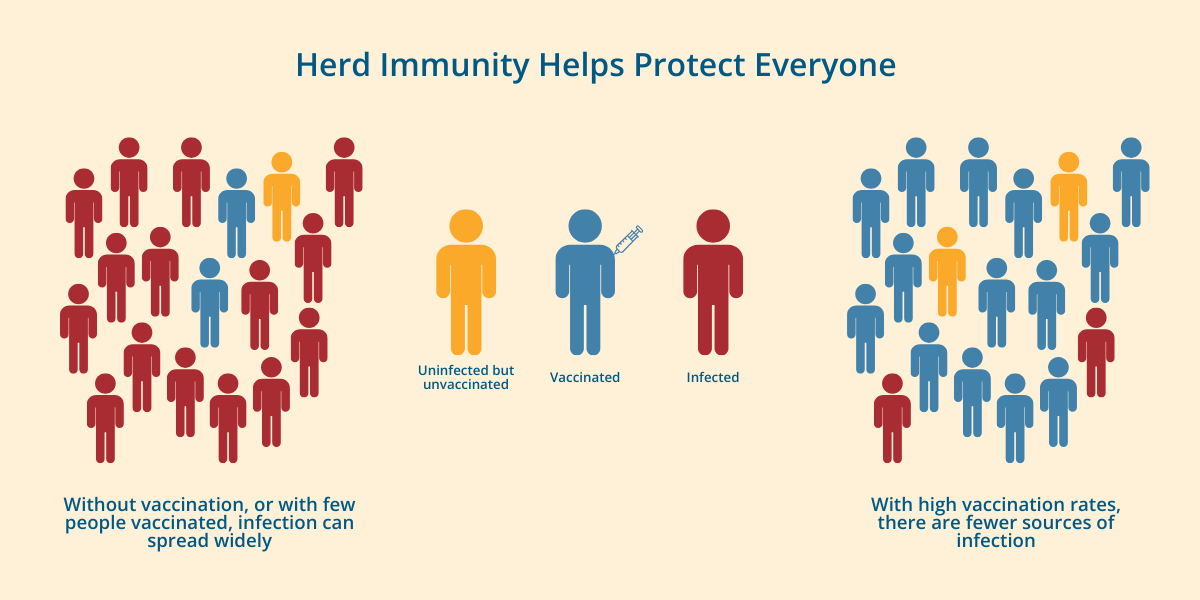
We’ve known for years that the HPV vaccine works. Now new research shows that widespread vaccination even protects those who haven’t gotten the shot. This study proves that it is possible to reach herd immunity for HPV.

HPV is one of the most common sexually transmitted infections. Still, finding out that you or your partner has it can feel stressful and confusing. It’s normal to have a lot of questions: What does this mean for our health? Did someone cheat? Should we

The FDA just approved the Teal Wand, a self-collection device for HPV testing that does not require a speculum exam or even a trip to the doctor’s office. People can collect their own sample at home and send it to a lab for analysis.

The results of large-scale study of HPV suggest that one shot of the vaccine may be enough to protect young people from HPV and related issues like cervical cancer.
ASHA believes that all people have the right to the information and services that will help them to have optimum sexual health. We envision a time when stigma is no longer associated with sexual health and our nation is united in its belief that sexuality is a normal, healthy, and positive aspect of human life.
ABOUT
GET INVOLVED
ASHA WEBSITES
GET HELP
© 2026 American Sexual Health Association
We need to know if we can keep you company during this visit. We are useful for making this site work.
We use cookies to enhance your browsing experience. You can choose which cookies you want to accept.
Necessary cookies help make a website usable by enabling basic functions like page navigation and access to secure areas. The website cannot function properly without these cookies.
| Cookie | Provider | Purpose | Expiry |
|---|---|---|---|
digiconsent | This website | Stores your cookie consent preferences. | 1 year |
wordpress_logged_in_* | WordPress | Identifies logged-in users and their authentication details. | 14 days / Session |
wordpress_sec_* | WordPress | Stores authentication details for secure areas. | 14 days / Session |
wp-settings-* | WordPress | Stores user interface customization preferences. | 1 year |
wp-settings-time-* | WordPress | Stores the time when wp-settings cookie was set. | 1 year |
Analytics cookies help us understand how visitors interact with our website by collecting and reporting information anonymously. This helps us improve our website.
| Cookie | Provider | Purpose | Expiry |
|---|---|---|---|
_ga | Registers a unique ID to generate statistical data on website usage. | 2 years | |
_ga_* | Used by Google Analytics to store and count pageviews. | 2 years |
Marketing cookies are used to track visitors across websites. The intention is to display ads that are relevant and engaging for the individual user.
Functional cookies enable the website to provide enhanced functionality and personalization. They may be set by us or by third party providers.