FDA Approves At-Home Collection Device for Cervical Cancer Screening 

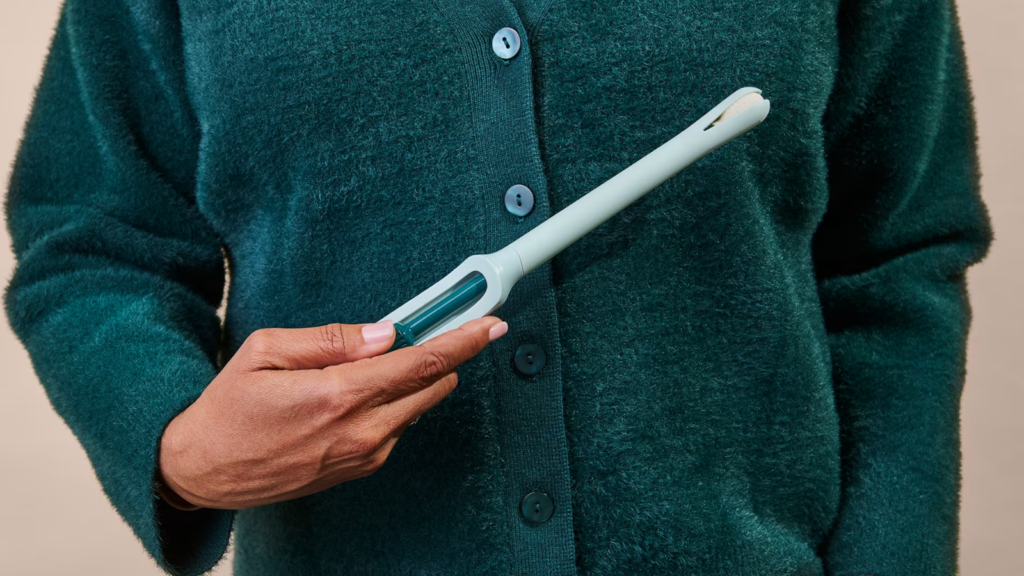
A woman holds a Teal Wand, a device for at-home cervical cancer screening
Image source: Teal Health

The FDA just approved the Teal Wand, a self-collection device for HPV testing that does not require a speculum exam or even a trip to the doctor’s office. People can collect their own sample at home and send it to a lab for analysis. Cervical cancer screening is important because it can catch the disease so early that it’s not even cancer yet, but screening rates have been dropping. Experts hope that at-home tests could help turn that around.

Cervical cancer screening has changed a lot in the past few decades as we learned more about what causes the disease and develop better tests. There are now two screening tests for cervical cancer. The Pap test, also called cytology, takes cells from the surface of the cervix and uses a microscope to determine if they are cancerous or have undergone precancerous changes. The HPV test looks for the types of the human papilloma virus that are most likely to cause cancer, including types 16 and 19 which cause 90% of all cervical cancer.

The Pap test is recommended starting at age 21. If results are fine, people in this age group need a test once every three years. Between ages 30 and 65, testing can be done one of three ways—a Pap test alone, an HPV test alone, or the two tests together. How often you get tested depends on which tests you have and whether your results were normal. Most people need to be tested every three to five years until they are 65.

Until now, the process of getting tested was pretty much the same regardless of which test(s) a person was getting. A clinician would use a speculum to separate the walls of the vagina and then use a swab, brush, or tiny spatula to get cells off the cervix. These tests don’t hurt, but they require an office visit, and many people don’t like the way the speculum feels.

Last year, the FDA approved the first self-collected HPV test. That test still has to be given in a health care setting, but the provider didn’t perform it. Instead, they’d give a patient a kit and a private space and let them swab yourself. This was a big step forward because it meant that HPV tests were no longer limited to OB/Gyn offices. It opened up the possibility of cervical cancer screenings at urgent care centers, emergency departments, and mobile care vans, among other places.

With the approval of the Teal Wand, the list now includes our own homes. The wand is designed to be used one-handed. It has a handle, a sponge at the top, and a dial at the bottom that spins the sponge. With self-collection, a person only has to get cells from the top of their vagina; the cells don’t have to be directly from the cervix. A person inserts the wand high into their vagina until they feel a little resistance. Then they use the dial to spin the sponge. Finally, they detach the sponge from the device and send it to the lab for results.

The SELF-CERV study looked at the Teal Wand to determine whether it was easy to use and produced accurate results. The study included over 600 participants who had a clinician collect a sample during a speculum exam and collected their own sample using the new device. The study found that over 98% of participants collected a valid sample and in 95% of cases the results were the same as those from clinician-collected samples. It also found that 93% of people thought the device was easy to use and 94% preferred it to having the clinician collect the sample.

Hopefully, being allowed to swab ourselves at home will cast a wider screening net that includes people who lack transportation, can’t take time off, or put off speculum exams because they find them too uncomfortable.

Since you need a prescription for the test, the company will be offering a telehealth option. Self-collection is not recommended for anyone who is pregnant, has had treatment for cervical precancer in the past, is HIV-positive or otherwise immunosuppressed, or has a history of cancer of the reproductive system.
Learn More About Cervical Cancer

Not today, cancer. No deaths from cervical cancer

A Breakthrough—No Deaths from Cervical Cancer in Young Women in England

For the first time ever, there were no deaths from cervical cancer among young women ages 20-24 in England over a five-year period. This is great news and adds to evidence that widespread HPV vaccination saves lives.
A person holds a teal ribbon in their hands

Coping with Cervical Cancer

Listen as cervical cancer survivors discuss diagnosis, treatment, and survivorship, and offer advice on coping with cervical cancer.
HPV screening with self collection endorsed by two organizations

HPV Screening with Self Collection Endorsed by Three Organizations

Three organizations—ACS, ACOG, and HRSA—have each recently endorsed new guidelines for cervical cancer screening. All of them discuss screening with self collected samples.
An adolescent gives a thumbs up after getting an HPV vaccine

Is One Shot of the HPV Vaccine Enough?

Research suggests that only one dose of the HPV vaccine may be effective enough to prevent HPV-related disease, including cancer.
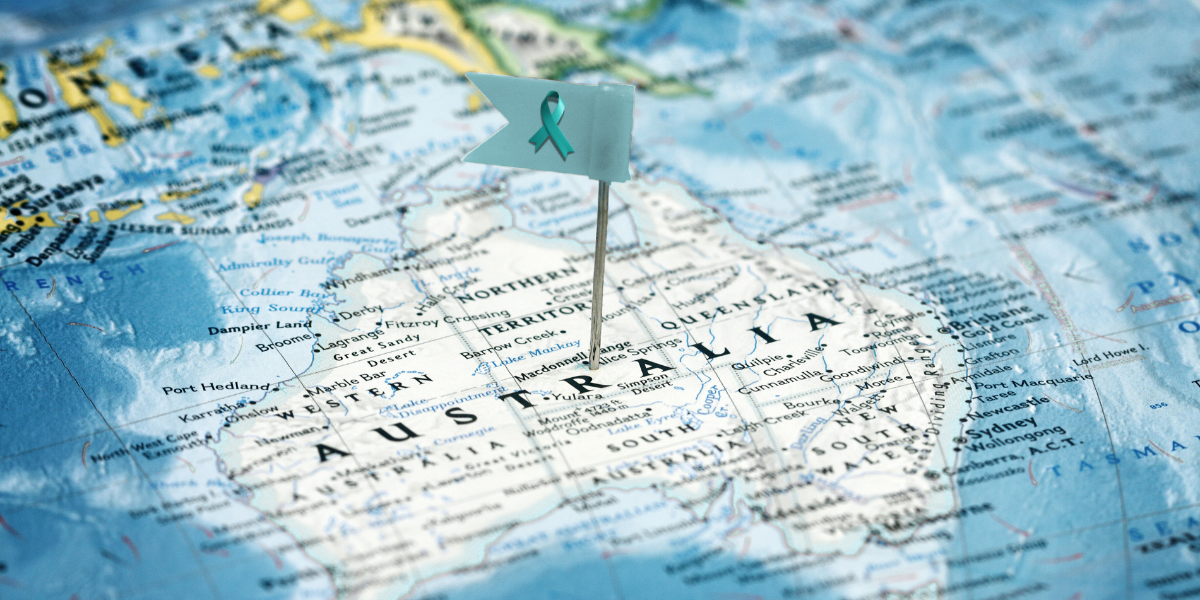
Australia

Australia is Closer to Ending Cervical Cancer

Australia has been a leader in cervical cancer prevention for decades and is now close to eliminating the disease.
A stethoscope and a teal ribbon

ACS Releases New Cervical Cancer Screening Guidelines

The American Cancer Society (ACS) released new recommendations for cervical cancer screening that focus on HPV testing and approve the use of self-collected samples. The recommendations also clarify the age at which screening should start and stop.
A child sits on her mother's lap after getting vaccinated

One and Done? New Study Suggests that One Dose of HPV Vaccine May Be Enough  

The results of large-scale study of HPV suggest that one shot of the vaccine may be enough to protect young people from HPV and related issues like cervical cancer.
An image of HPV

Human Papillomavirus (HPV)

Human papillomavirus, or HPV, is very common. Some types of HPV can cause genital warts and other types can cause cancer, including cancer of the cervix, vulva, vagina, penis or anus, as well as cancer in the back of the throat.
A exam table for a gynecological exam

Cervical Cancer Screening Rates Haven’t Rebounded After the Pandemic 

The pandemic interrupted our regularly scheduled doctor’s visits and pushed off preventative care like Pap tests.
Cervical pre-cancer

New Study Shows a Dramatic Drop in Cervical Pre-Cancers

A study has found a dramatic drop in the rates of cervical pre-cancers in young adult women—evidence that the HPV vaccine is working.

The HPV Vaccine Prevents Cancer

In the U.S., HPV infections are estimated to cause about 37,300 cases of cancer. The HPV vaccine can prevent over 90% of these cancers from ever developing.

What You Need to Know About the HPV Self-Collection Test

There’s a new way to screen for cervical cancer—no pelvic exam, stirrups, or speculum involved.
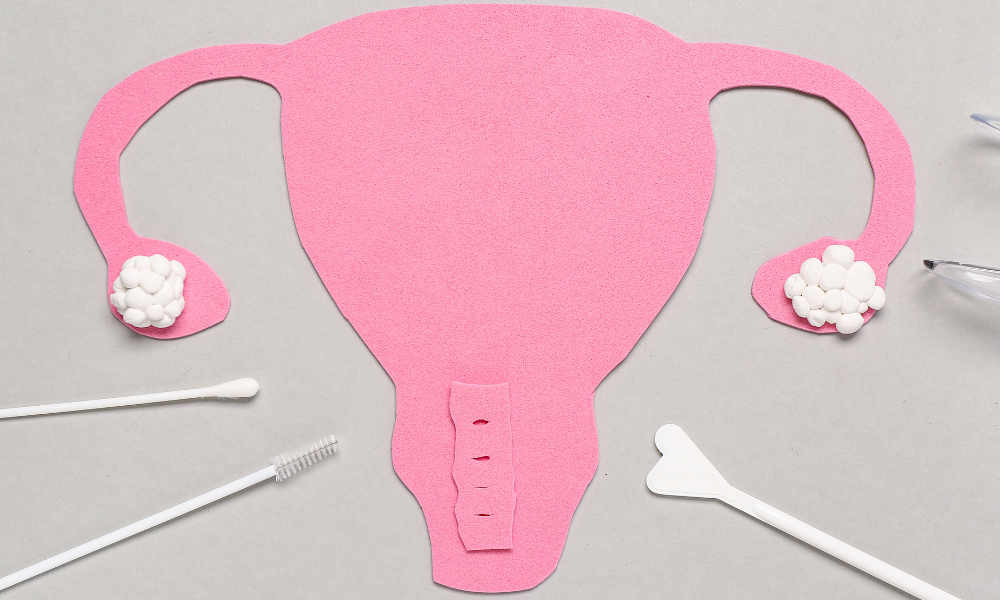
A uterus

New Option for Cervical Cancer Screening — Self Collected Samples

The FDA recently approved HPV testing using self-collected samples. Experts hope allowing people to collect their own samples will increase screening rates.
HPV vaccination saves lives

Even More Evidence for the Value of Early HPV Vaccination

An exciting new study in Scotland found no cases of invasive cervical cancer in young women who had gotten the HPV vaccine by the time they were 14.
Cervical Health Awareness Month

Celebrating Cervical Health Awareness Month in January

Cervical Health Awareness Month in January is a time to learn about cervical health and cancer prevention. The World Health Organization has a plan for the elimination of cervical cancer through vaccination and screening—we can get there!
HPV vaccines

Is One Shot of the HPV Vaccine Enough? New Study Shows Promising Results

Is one shot enough? A recent study adds to evidence that one dose of the HPV vaccine might be enough to provide protection against cervical cancer.
HPV Awareness

Too Few People Understand the Link Between HPV and Cancer

A new study revealed a disturbing trend in health knowledge; fewer people seem to understand the connection between HPV and certain types of cancer including cervical, oral, anal, and penile cancers.

Cervical Health Awareness Month Social Media Toolkit

Celebrate Cervical Health Awareness Month in January by sharing our content on your social media channels. Use your voice to promote cervical cancer prevention.

Social Media Toolkit on Cervical Health

If you’re passionate about cervical health awareness, the resources here are for you. Advocacy around cervical health is especially relevant during national observances, including Cervical Health Awareness Month in January.
An image of HPV

HPV-Related Cancer

According to the Centers for Disease Control and Prevention (CDC), about 36,500 HPV-associated cancers occur in the U.S each year.