Coping with Cervical Cancer
Listen as cervical cancer survivors discuss diagnosis, treatment, and survivorship, and offer advice to others facing a diagnosis.

For the first time ever, there were no deaths from cervical cancer among young women ages 20-24 in England over a five-year period. This is great news and adds to evidence that widespread HPV vaccination saves lives.
England began offering the HPV shot to girls who were 12 and 13 in 2008, just two years after the vaccine was approved. Somewhere between 80 and 90% of girls in this age group were vaccinated at the time. The government also offered a catch up vaccination program for girls who were 14–18 at the time.
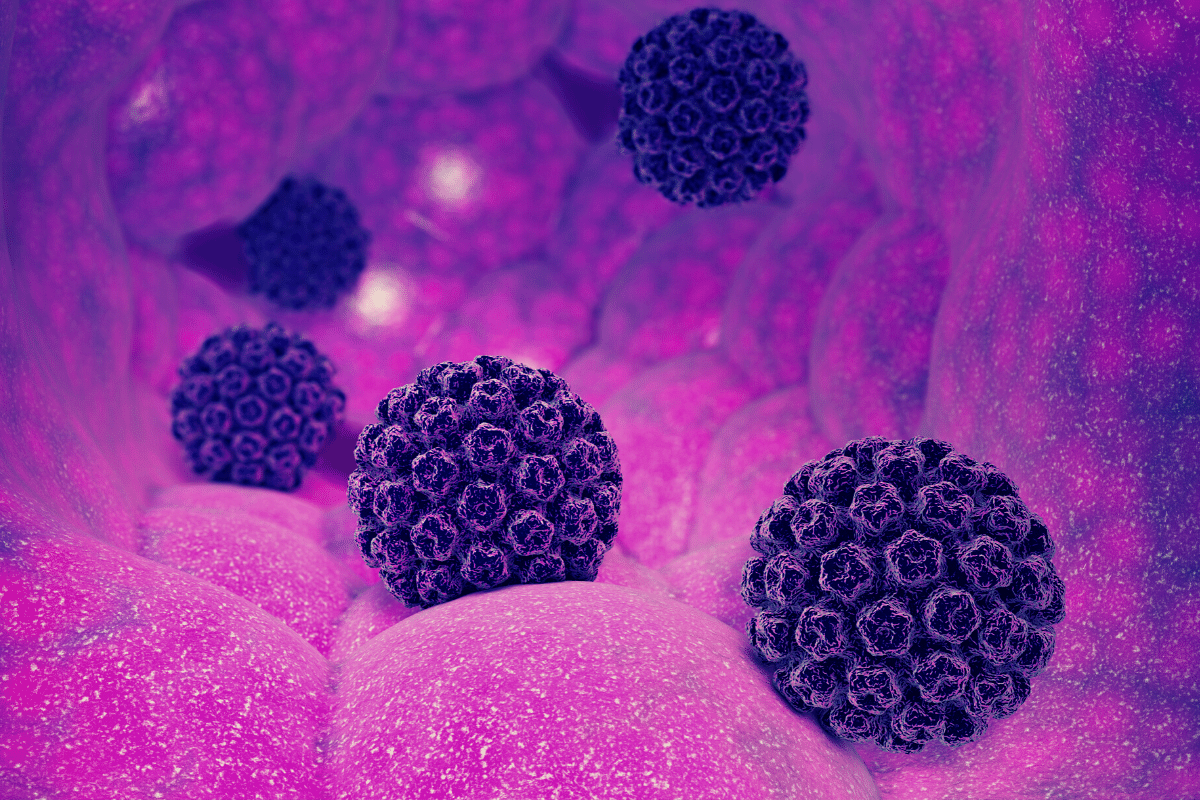
Human papillomavirus (HPV) is a very common STI. In fact, most sexually active people will get HPV at some point in their lives. Most HPV infections do not cause any health issues. Your immune system clears the virus on its own. You may never even know you had it. Some types of HPV, however, are known to cause cervical cancer and cancers of the vagina, vulva, anus, head, neck, and throat. These are called “high risk” types.
The HPV vaccine protects against nine “high risk” types of the virus. In the U.S. the HPV vaccine is part of recommended vaccinations given to adolescents at age 11 and 12, though it can be given as early as age 9. The vaccine is recommended for all adolescents regardless of gender or sex assigned at birth. The Centers for Disease Control and Prevention (CDC) recommends catch up vaccinations for people 26 and under who didn’t get the vaccine when they were teenagers. The vaccine is approved for people up to age 45.
The first group of young women who received the HPV vaccine are now in their early 30s. For a new study, researchers from Queen Mary University of London looked at health records to see whether the vaccination program reduced deaths from cervical cancer among this age group.
The results were striking.
There were no cervical cancer deaths for five consecutive years in women ages 20–24. While cervical cancer is rare in people this young, the researchers say that without the vaccine they would have expected to see about 23 women in this age group die from the disease. The vaccine also cut deaths in women who 25–34. The researchers estimate that the vaccine prevented about 200 deaths in that time period.
Professor Peter Sasieni, the lead researcher on the study, told the BBC, “As vaccinated generations grow older, we’ll see many more lives saved from cervical cancer.” Sasieni called the 200 prevented deaths that had documents so far “the tip of the iceberg.” He believes that as vaccinated women age, we may see as many as 18,000 deaths prevented.
Studies like this one show that widespread vaccination could help us eliminate cervical cancer deaths. Unfortunately, rates of HPV vaccination are going down both in England and in the United States. Both countries saw a drop in vaccination rates during the pandemic and neither has seen them bounce back all the way.
Hopefully, studies like this one that show just how effective the HPV vaccine can be will help remind young people and their parents just how important vaccination can be.
In addition to vaccines, regular screening for cervical cancer can help identify HPV infection and changes to the cervix before they cause cancer.

Listen as cervical cancer survivors discuss diagnosis, treatment, and survivorship, and offer advice to others facing a diagnosis.

Three organizations—ACS, ACOG, and HRSA—have each recently endorsed new guidelines for cervical cancer screening. All of them discuss screening with self collected samples.

Research suggests that only one dose of the HPV vaccine may be effective enough to prevent HPV-related disease, including cancer.

Australia has been a leader in cervical cancer prevention for decades and is now close to eliminating the disease.

The American Cancer Society (ACS) released new recommendations for cervical cancer screening that focus on HPV testing and approve the use of self-collected samples. The recommendations also clarify the age at which screening should start and stop.

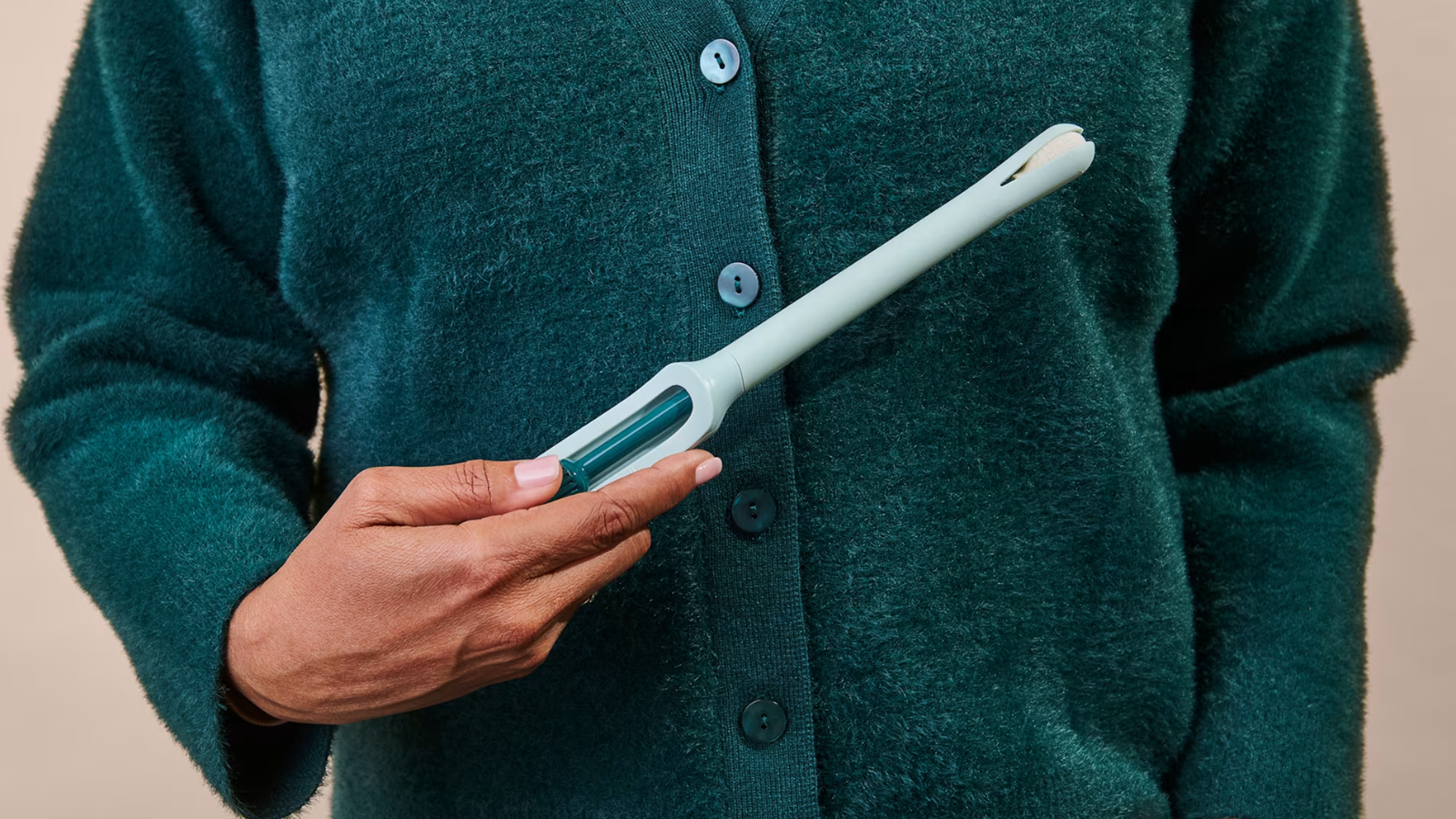
The FDA just approved the Teal Wand, a self-collection device for HPV testing that does not require a speculum exam or even a trip to the doctor’s office. People can collect their own sample at home and send it to a lab for analysis.

The results of large-scale study of HPV suggest that one shot of the vaccine may be enough to protect young people from HPV and related issues like cervical cancer.

Human papillomavirus, or HPV, is very common. Some types of HPV can cause genital warts and other types can cause cancer, including cancer of the cervix, vulva, vagina, penis or anus, as well as cancer in the back of the throat.
ASHA believes that all people have the right to the information and services that will help them to have optimum sexual health. We envision a time when stigma is no longer associated with sexual health and our nation is united in its belief that sexuality is a normal, healthy, and positive aspect of human life.
ABOUT
GET INVOLVED
ASHA WEBSITES
GET HELP
© 2026 American Sexual Health Association
We need to know if we can keep you company during this visit. We are useful for making this site work.
We use cookies to enhance your browsing experience. You can choose which cookies you want to accept.
Necessary cookies help make a website usable by enabling basic functions like page navigation and access to secure areas. The website cannot function properly without these cookies.
| Cookie | Provider | Purpose | Expiry |
|---|---|---|---|
digiconsent | This website | Stores your cookie consent preferences. | 1 year |
wordpress_logged_in_* | WordPress | Identifies logged-in users and their authentication details. | 14 days / Session |
wordpress_sec_* | WordPress | Stores authentication details for secure areas. | 14 days / Session |
wp-settings-* | WordPress | Stores user interface customization preferences. | 1 year |
wp-settings-time-* | WordPress | Stores the time when wp-settings cookie was set. | 1 year |
Analytics cookies help us understand how visitors interact with our website by collecting and reporting information anonymously. This helps us improve our website.
| Cookie | Provider | Purpose | Expiry |
|---|---|---|---|
_ga | Registers a unique ID to generate statistical data on website usage. | 2 years | |
_ga_* | Used by Google Analytics to store and count pageviews. | 2 years |
Marketing cookies are used to track visitors across websites. The intention is to display ads that are relevant and engaging for the individual user.
Functional cookies enable the website to provide enhanced functionality and personalization. They may be set by us or by third party providers.