An Experimental Vaccine for Chlamydia Shows Promise in Early Study

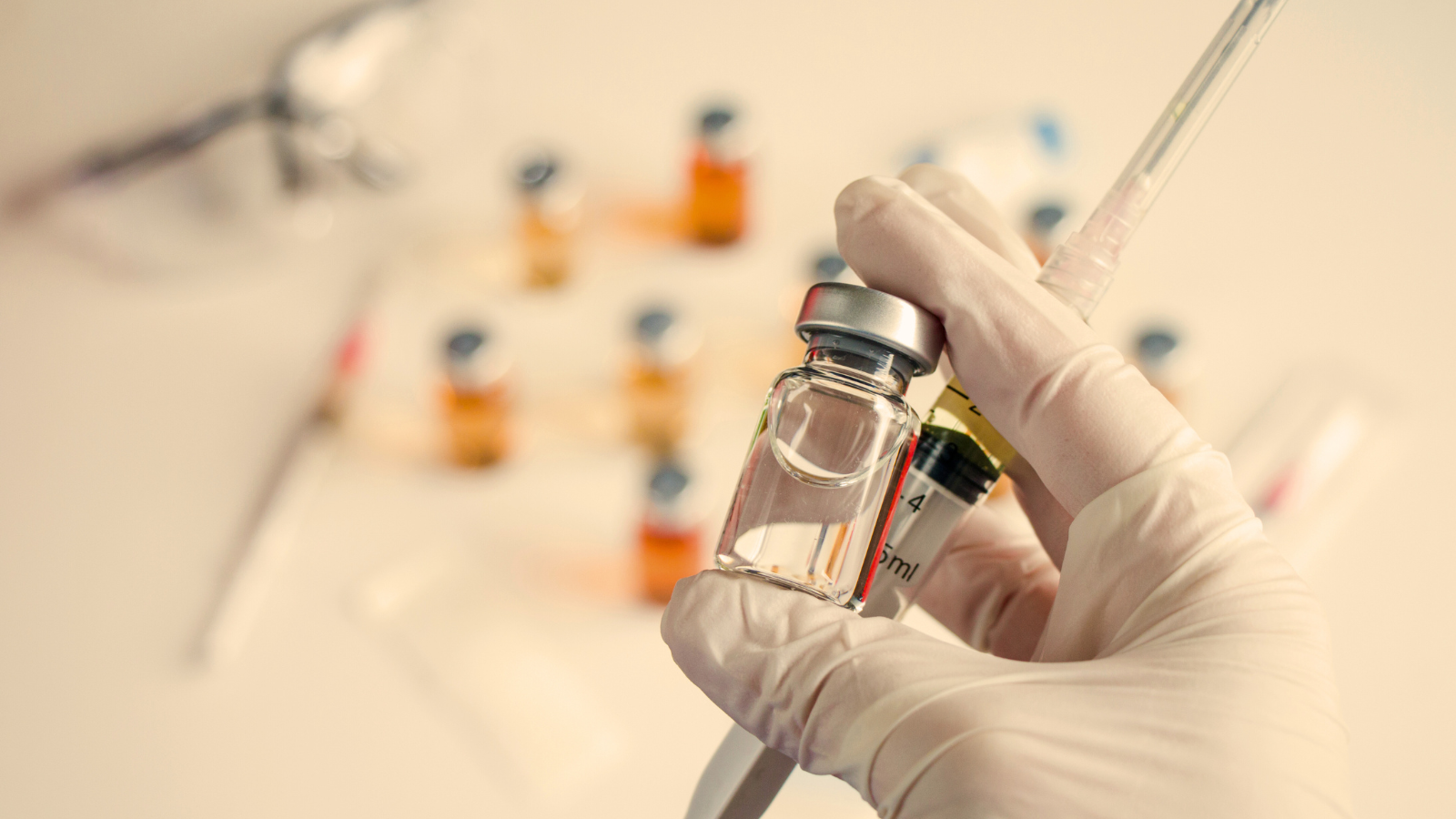
A vaccine vial

A Phase 1 trail for a possible new chlamydia vaccine had encouraging results. Chlamydia is one of the most common STIs worldwide, and untreated chlamydia infections are one of the most common causes of infertility. A vaccine could dramatically change this landscape.

Chlamydia is the most common bacterial STI in the United States. There were over 1.6 million cases reported to the CDC in 2022. There are likely many more that go undetected because chlamydia often has no symptoms.

Chlamydia can be treated with antibiotics but if left untreated it can lead to pelvic inflammatory disease (PID), an infection of internal reproductive organs including the cervix, uterus, and fallopian tubes. PID can cause scar tissue to build up in the reproductive tract which can lead to infertility.

Chlamydia can be prevented. Condoms are very effective against chlamydia because they create a barrier between partners and prevent the exchange of infected bodily fluids. Doxy PEP—a new sexual health strategy that involves taking an oral antibiotic after condomless sex to prevent STIs—may also help reduce the number of chlamydia infections in this country. It has been shown to reduce chlamydia by 80%.

However, this strategy is only recommended for adult men and transgender women who have sex with men and are at increased risk, particularly those who have had an STI in the last year. A safe and effective vaccine that is recommended for everyone could be a gamechanger in chlamydia prevention.

Researchers in the United Kingdom and Denmark conducted this early phase clinical trial with 65 participants (60 of whom finished the trial). None of the participants had chlamydia. Participants were randomly assigned to receive a placebo or the experimental vaccine at a variety of dosages over the course of the study.

The results found that the vaccine was safe and well tolerated. There were no serious adverse effects. It also found that the vaccine produced an immune system reaction in those participants who got it. Researchers don’t yet know whether that response will be enough to prevent chlamydia if/when someone is exposed. Phase 2 trials will look at effectiveness.

Some participants also received a vaccine in the form of eye drops. Chlamydia can be spread to the eye usually when someone touches infected genital fluids and then touches their eyes without washing their hands. This can lead to conjunctivitis (often casually referred to as pink eye) which causes itchy, red, and swollen eyes that may have a watery or pus-like discharge. Researchers were pleased to find that the vaccine eye drops were well tolerated and also produced an immune reaction.

There is a lot more research to be done before a chlamydia vaccine could be available, but we know that vaccines for STIs can dramatically reduce transmission and adverse health issues. Since the HPV vaccine was introduced, for example, infections with the types of HPV covered by it have dropped 88 percent in teen girls. And, among vaccinated women of all ages, the percentage of cervical pre-cancers caused by these HPV types has dropped by 40 percent.

Learn More About Chlamydia

A provider talks to a patient

Chlamydia: A Common and Curable Infection

Chlamydia is the most common reported bacterial STI in the U.S. It is most common in younger people—it is estimated that 1 in 20 sexually active young women aged 14-24 years has chlamydia.
The State of STIs 2024

Latest Data Shows that Chlamydia, Gonorrhea, and Syphilis Rates are Dropping

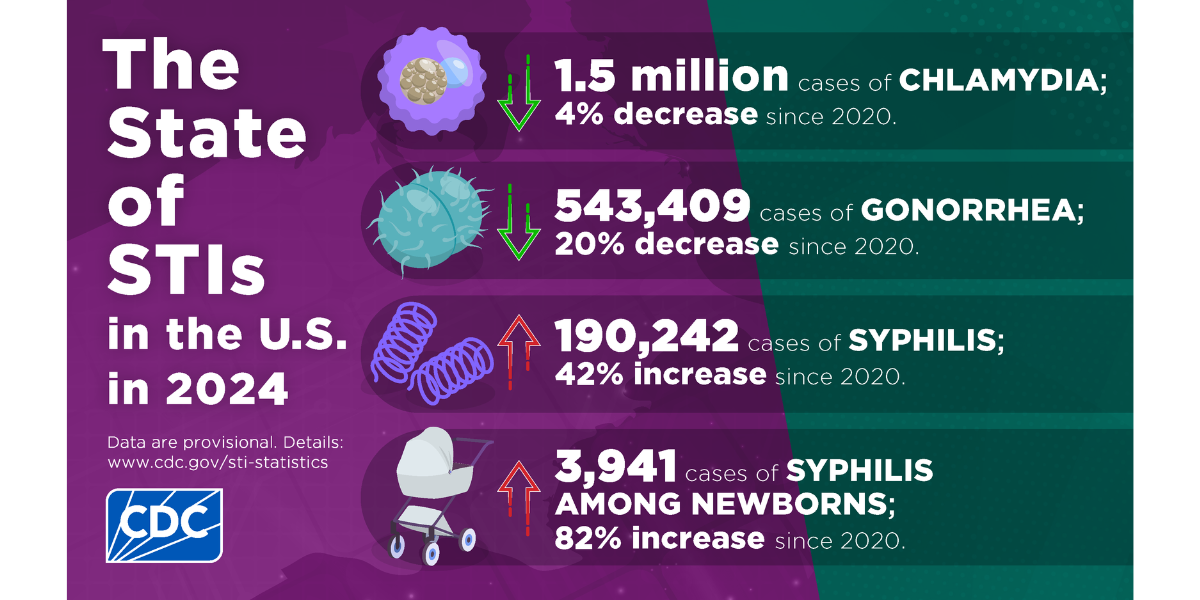
The CDC just released STI Surveillance Data for 2024 that show cases of chlamydia, gonorrhea, and syphilis are slowly declining.
A koala in a tree

Can Koalas Really Get Chlamydia?

On a recent episode of Love Island, a cast member sugested that we could blame our current STI epidemic on men who had sex with animals. She pointed to koalas with chlamydia as an example. There’s some truth here, but also a lot of misinformation.

Learn More About Doxy PEP from Three People Who Take It

Many people who take doxy PEP say it gives them peace of mind in their relationships and sex life. We sat down with Oscar Alexis, Efthimios, and Maxfield Haynes to talk about doxy PEP and get their perspective.
A prescription bag

Are Patients Not Following Through with STI Treatment?

About 1.6 million cases of chlamydia and 600,000 cases of gonorrhea are diagnosed in the United Sates each year. A new study suggests that these patients may not be following through with STI treatment or getting the right antibiotics.
Swab test for chlamydia, gonorrhea, and trich

FDA Approves a New At-Home Test for Three Common STIs

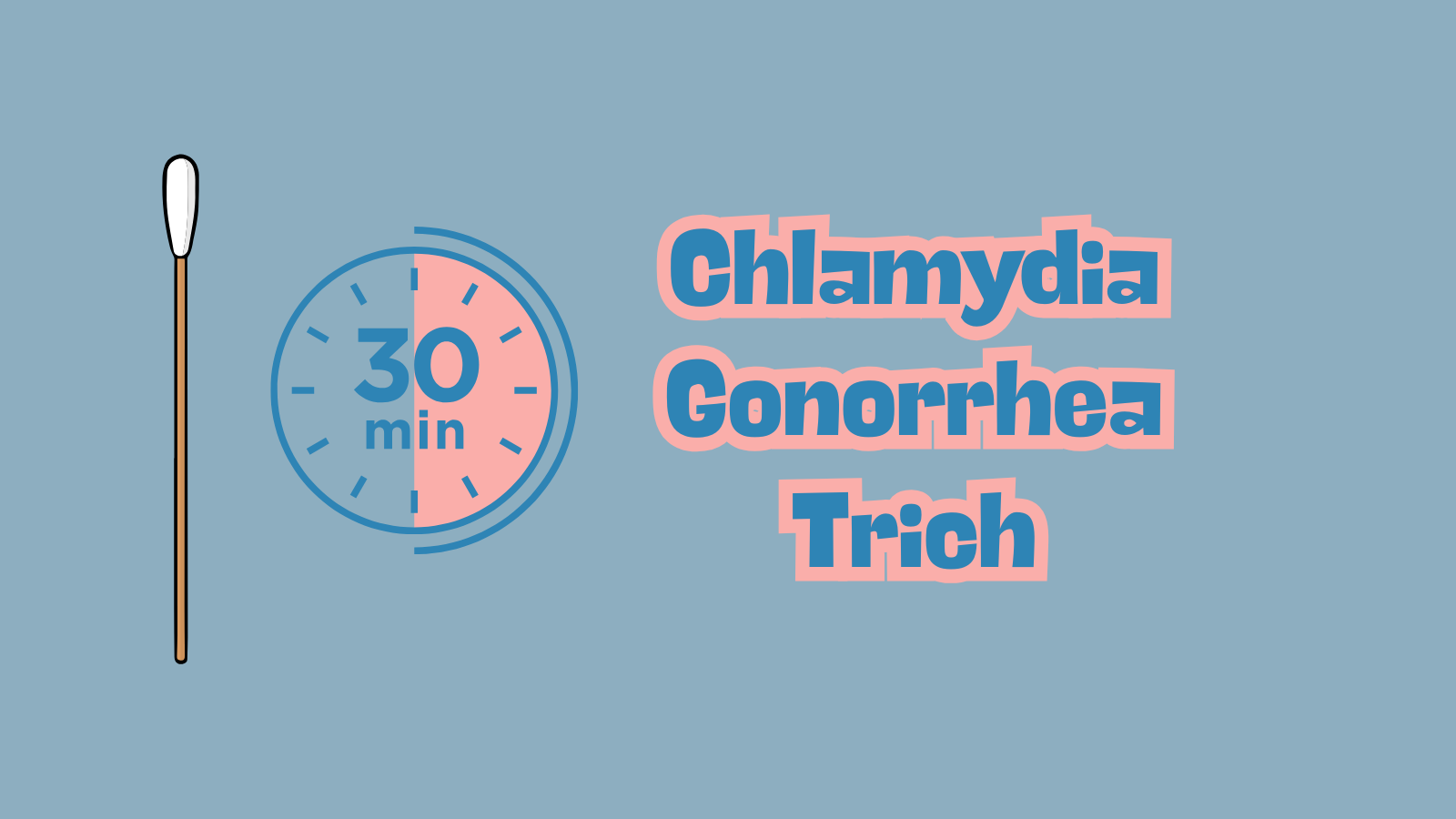
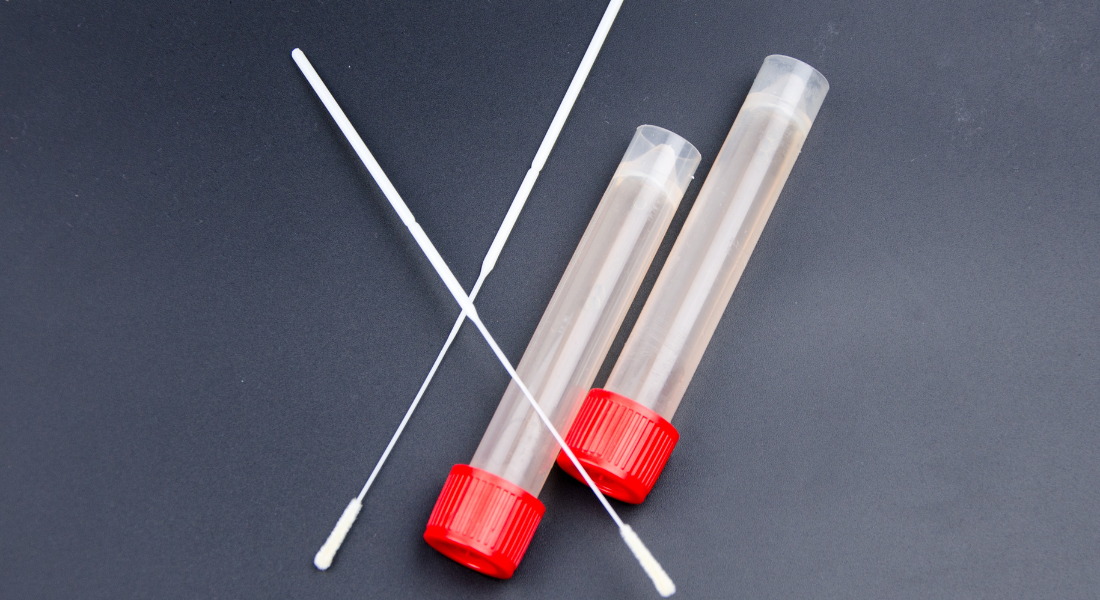
The FDA just approved a new, fully at-home test for chlamydia, gonorrhea, and trichomoniasis. The tests, which is only for women, will be available without a prescription. Users can collect their own sample and have results in less than 30 minutes.
Many hands are placed on a pregnant person's belly

The Impact of STIs on Fertility

Infertility can stem from factors affecting both men and women. Sometimes, these are related to sexually transmitted infections (STIs). Learn more out the impact of STIs on fertility.
A woman talks with her health care provider about the link between BV and chlamydia

BV and Chlamydia—New Research Shows a Possible Link

A new study found that there are two distinct types of BV infection, one of which increases the risk of chlamydia infection.
A man speaks with a health care provider

Two Studies Show Doxy PEP is a Winning Strategy

Two studies published in this month’s JAMA Internal Medicine offer encouraging findings about the use of Doxy PEP.
Swabs and vials for an at-home test

A Truly At-Home Test for Bacterial STIs Does Well in Trials

A completely at-home PCR test for chlamydia, gonorrhea, and trichomaniasis could allow people to test themselves and get results and treatment within a matter of hours.
NGU

NGU, or Nongonoccocal Urethritis

Nongonococcal urethritis—or NGU—is an infection of the urethra caused by germs other than gonorrhea. The most common cause is chlamydia.
A man handed a prescription for Doxy-PEP

Doxy PEP Can to Help Prevent STIs

Read through FAQa on doxy PEP is the strategy of taking the antibiotic doxycycline after condomless oral or anal sex to prevent chlamydia, gonorrhea, or syphilis.
Doxy-PEP works

New Studies Add to Evidence that Doxy PEP Works for STI Prevention

New studies add to our evidence that doxy PEP works to prevent bacterial STIs among transgender women and men who have sex with men.
PID is Pelvic inflammatory disease

PID is a leading cause of infertility in women

Pelvic inflammatory disease (PID) is a serious infection in the reproductive organs of women that can lead to infertility or life-threatening complications.
Alarming Rise in Syphilis rates

The State of STIs — CDC Reports an Startling Rise in Syphilis

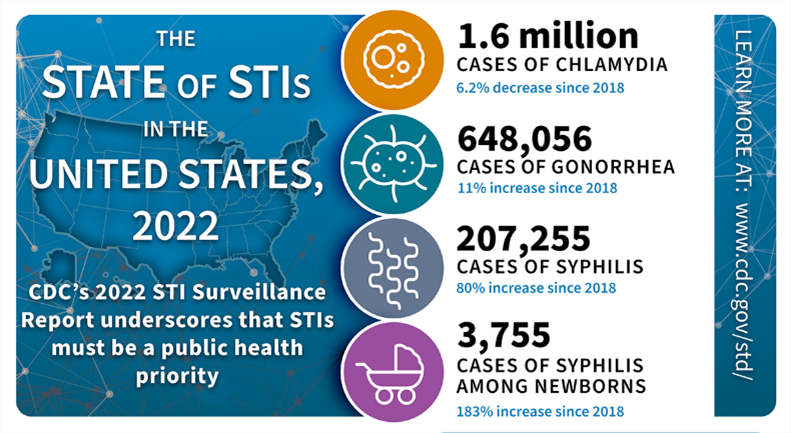
CDC released new surveillance data on sexually transmitted infections. There were 2.5 million cases of chlamydia, gonorrhea, and syphilis reported in the United States in 2022. Most alarming was a rise in syphilis rates, up 80% since 2018.

Improving Chlamydia Screening Rates Through Opt-Out Screening

Improving Chlamydia Screening Rates Through Opt-Out Screening is presented by Ina Park, MD, MS, from the UCSF School of Medicine.