A late-stage clinical trial found that a single injection of benzathine penicillin G (BPG) treated early syphilis as well as the standard three-injection regimen. This finding is especially important because there have been multiple shortages of BPG, which is sold under the brand name Bicillin L-A, in recent years.
Syphilis is a bacterial infection that is passed through skin-to-skin contact with infected lesions. It can be treated with antibiotics. If left untreated, later stages of syphilis can cause damage to the brain, heart, nervous system.
Congenital syphilis is an infection passed from mother to baby during pregnancy or birth. It can cause miscarriage, stillbirth, and even infant death. Babies born with syphilis can face lifelong medical issues.
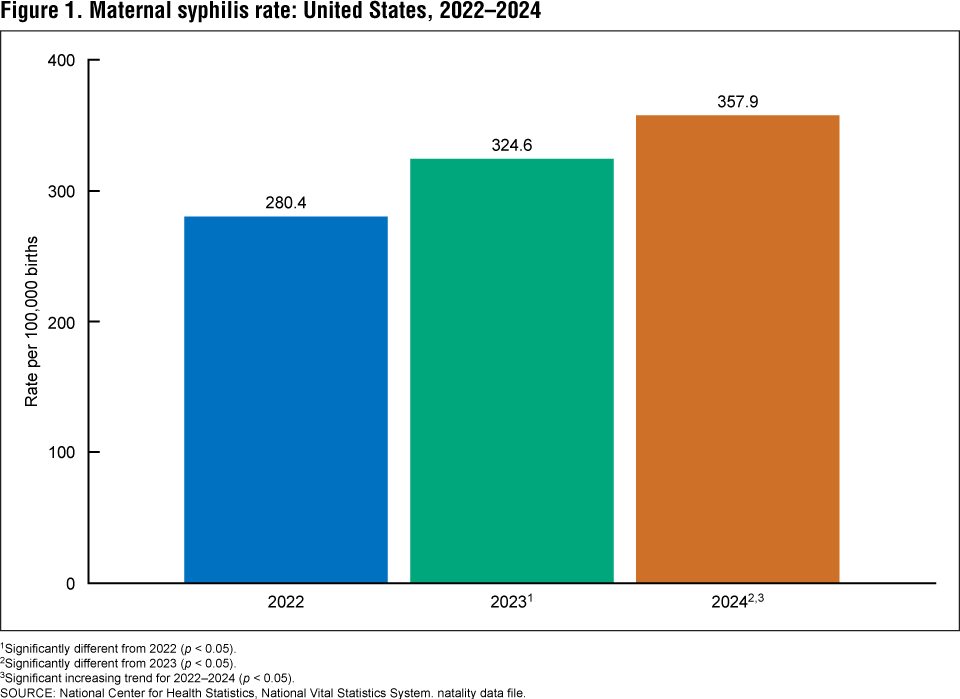
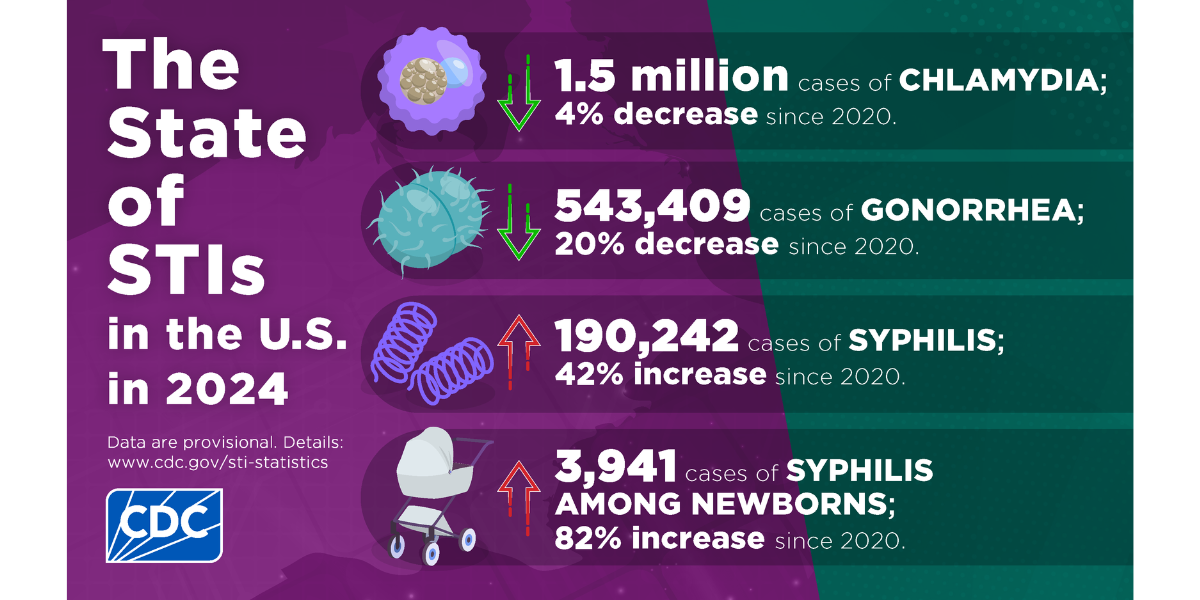
Syphilis has been on the rise in recent years. There were over 209,000 cases of syphilis in the U.S. in 2023 which represented a 61% rise from 2019. Congenital syphilis rates are rising even faster. There were 3,882 congenital syphilis cases in 2023, which represented a108% increases over 2019 numbers.
The study, which was funded by the National Institutes of Health (NIH), included 249 participants with syphilis who were randomly assigned to receive either a single intramuscular injecting of BPG or a series of three intramuscular shots give one week apart. Researchers tested participant’s blood six months after treatment. They found that treatment was successful in 76% of those in the single-dose group compared to 70% of participants in the three-dose group. (The difference between groups was not statistically significant.)
Because BPG is given as an intramuscular shot, each dose requires a visit to a health care provider which can make accessing treatment difficult. A one-dose could make that a lot easier. Carolyn Deal, Ph.D., chief of the NIH’s enteric and sexually transmitted infections branch, said in a statement, “Benzathine penicillin G is highly effective against syphilis, but the three-dose regimen can be burdensome and deter people from attending follow-up visits with their healthcare providers. The new findings offer welcome evidence for potentially simplifying treatment with an equally effective one-dose regimen….”
In addition, there have been numerous BPG/Bicillin L-A shortages over the last 20 years including one that lasted almost five years. In July 2025, just as the supply was recovering from shortage that started two years earlier, drug manufacturer Pfizer recalled some lots of the medication due to potential contamination. The U.S. is currently importing the medication from other countries to try to make up for the national shortfall.
While further research is needed, it’s clear that supply could go a lot farther in the future if a one-dose shot becomes the recommended treatment.