Getting Tested for STIs
If you’re sexually active, getting tested for STIs is an important part of staying healthy. ANYONE who has any kind of sex with a partner can get an STI. And since many STIs have no signs or symptoms in most people, the only way to know if you have an STI is to get tested.
Even if an infection is “silent,” with no noticeable symptoms, it can cause long-term health damage. For example, when a bacterial STI like chlamydia or gonorrhea is undiagnosed and untreated, it can lead to other health issues, such as pelvic inflammatory disease (PID) and, potentially, infertility.
This is why STI testing is so important. It protects your health and the health of your partner(s).
When should I get tested, and for which STIs?
Always see a health care provider right away for testing if you have any symptoms such as genital itching, sores, or discharge. These are common signs of a number of STIs, but they could also be a sign of other medical conditions. Testing is the only way to know what’s causing your symptoms (and it’s the first step to getting you the relief you need).
Most people who are sexually active should get screened for STIs even if they don’t have symptoms. Which STIs you should screen for and how often is different for everyone. Screening guidelines are based on things like your age, your gender, your biological sex, who you have sex with, what kinds of sex you have (oral, anal, or vaginal), and whether you’ve had an STI recently.
The best thing to do is ask your health care provider. Before they answer, they will probably ask you a lot of question about your sexual history. They’re not just being nosy. These answers help them decide what tests might be right for you (so be honest).
Figuring out exactly which tests to get and how often can be a little confusing. See the chart below for some testing recommendations from the Centers for Disease Control and Prevention (CDC) or visit the CDC website for more detailed information.
In the meantime, here are some basic pieces of advice on STI testing we can all follow. Get tested when:
- you have symptoms
- you are about to have sex with a new partner (you can get tested together!)
- have multiple sexual partners
- a current or former sexual partner told you that they have a STI
Where can I get tested?
Most regular health care providers and gynecologists offer STI testing. While some providers might include STI screening as part of a yearly check-up, others don’t test at all unless you ask them to—so make sure to ask!
If you don’t have a regular healthcare provider, you can search for clinics in your area. For example, you can:
- Search for a local health department
- Find a nearby Planned Parenthood
- Locate a federal health center
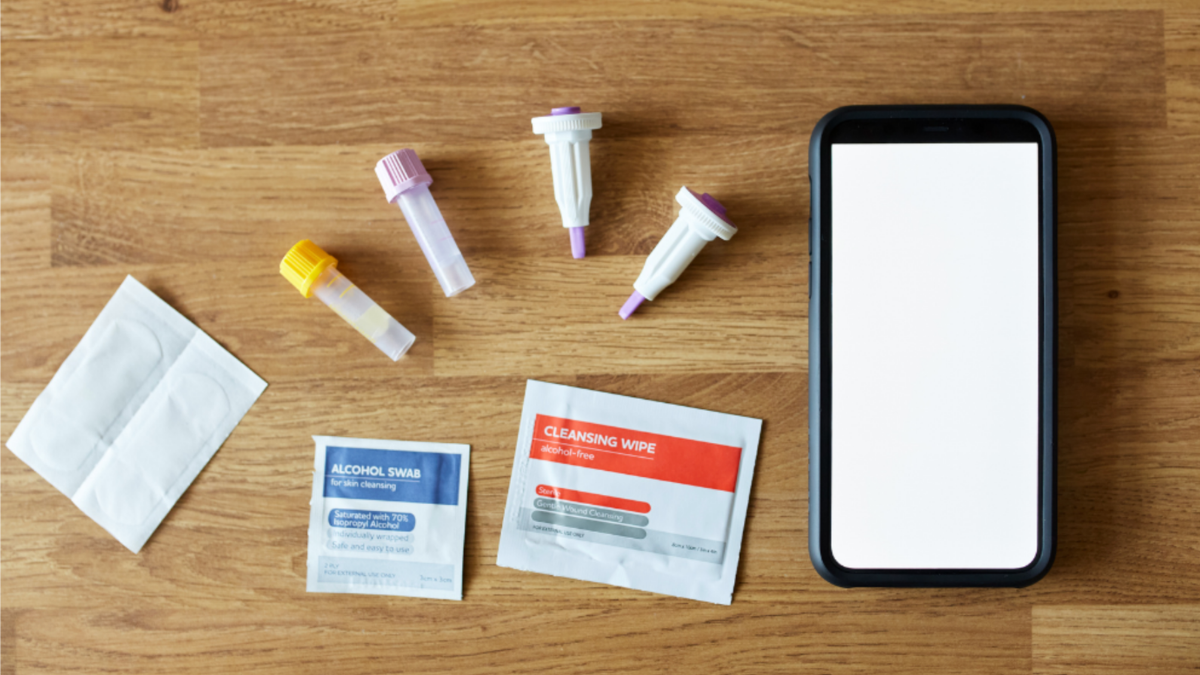
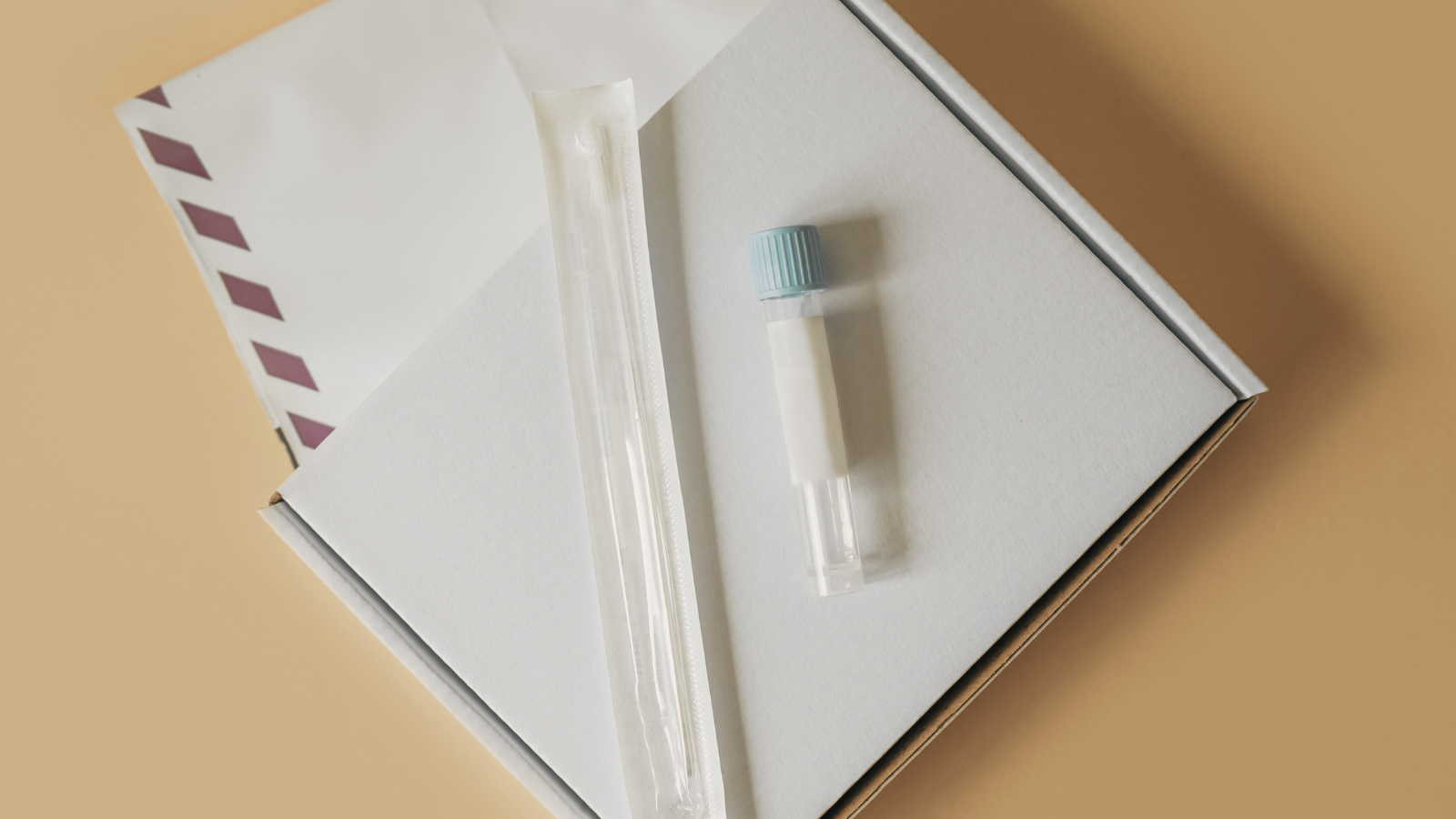
You can also test for STIs at home. Test kits are available in most pharmacies, or you can order them from any number of online companies. There are also programs in some areas that offer free test kits for you to use at home.
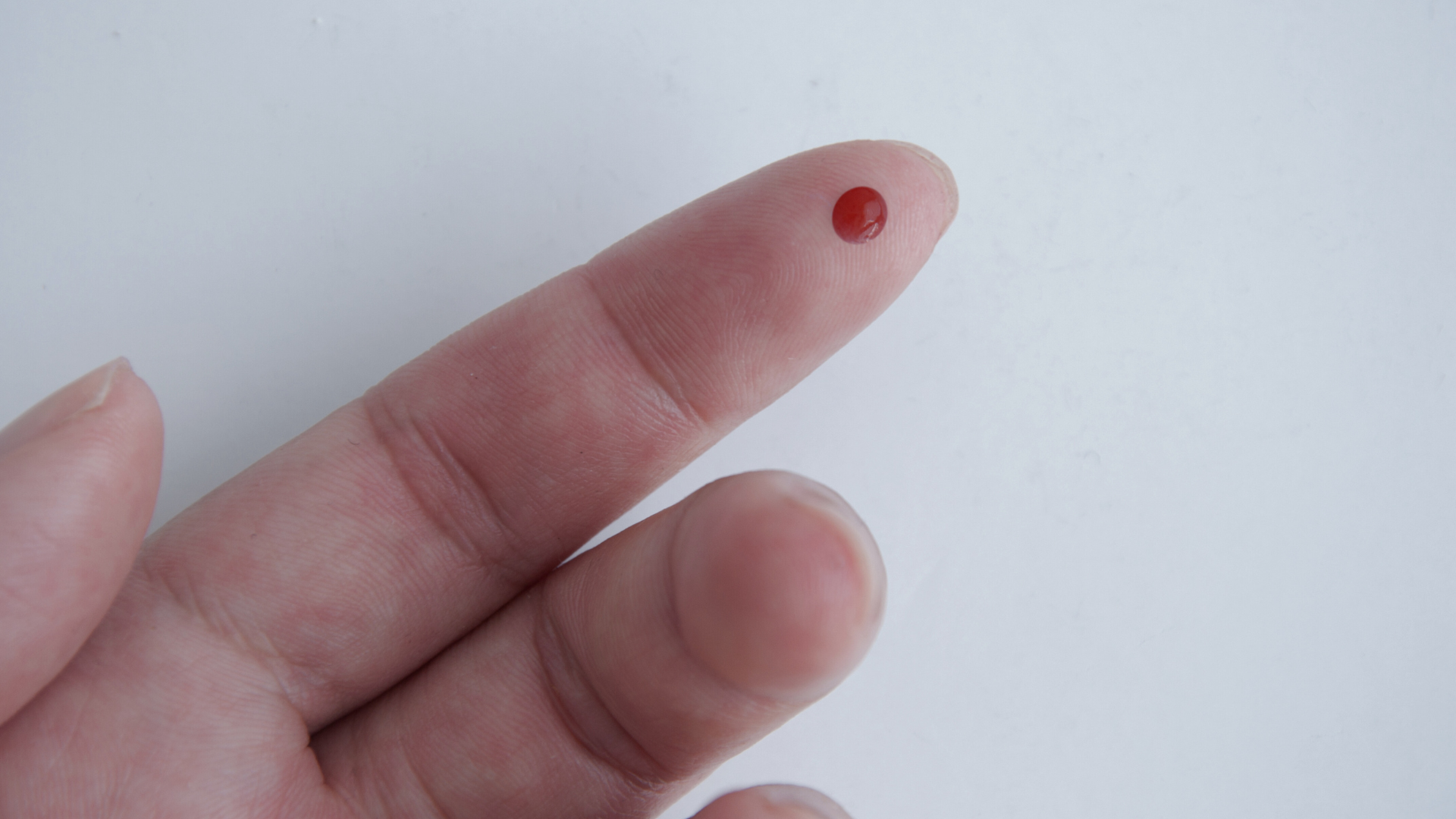
Most home tests ask you to collect samples and send them to a lab. You should get your results in about a week. There are home tests for HIV and a new test for syphilis that give you results in 15-20 minutes.
Can I do STI testing at home?
Yes, you can test for most STIs at home. Some tests can be bought at pharmacies, like a new home test for syphilis. Others can be purchased online, like a new FDA-approved home test for chlamydia, gonorrhea, and trichomoniasis. While herpes tests are available for home use as well, blood tests for HSV are considered less accurate and are known to return a significant number of false positive results. Learn more about home testing, including free tests available by mail.
How much does STI testing cost?
Most health insurance plans will cover in-office STI testing, often with no co-pay, though there may be some exceptions. Many health care centers across the country—including health departments and Planned Parenthood clinics—offer free or low-cost testing. The CDC’s Get Tested website can help you find testing centers by zip code and lets you filter results for free and low-cost testing.
Home-based tests that you buy in the pharmacy or online are typically not covered by insurance, though it may be possible to use funds from an HSA plan, if you have one. There are also programs in some areas that will mail free test kits.
Is STI screening different than STI testing?
Not really. Public health experts use the term screening when they’re talking about preventative care for certain populations. Think of it like mammograms for breast cancer or colonoscopies for colon cancer. These are tests that people should get on a regular schedule to stay healthy. STIs screening is the same thing. In contrast, STI testing is for people with symptoms. That said, a lot of people will just use the phrase STI testing for any time that someone is checked for chlamydia, gonorrhea, syphilis, or other STIs whether they have symptoms or not.