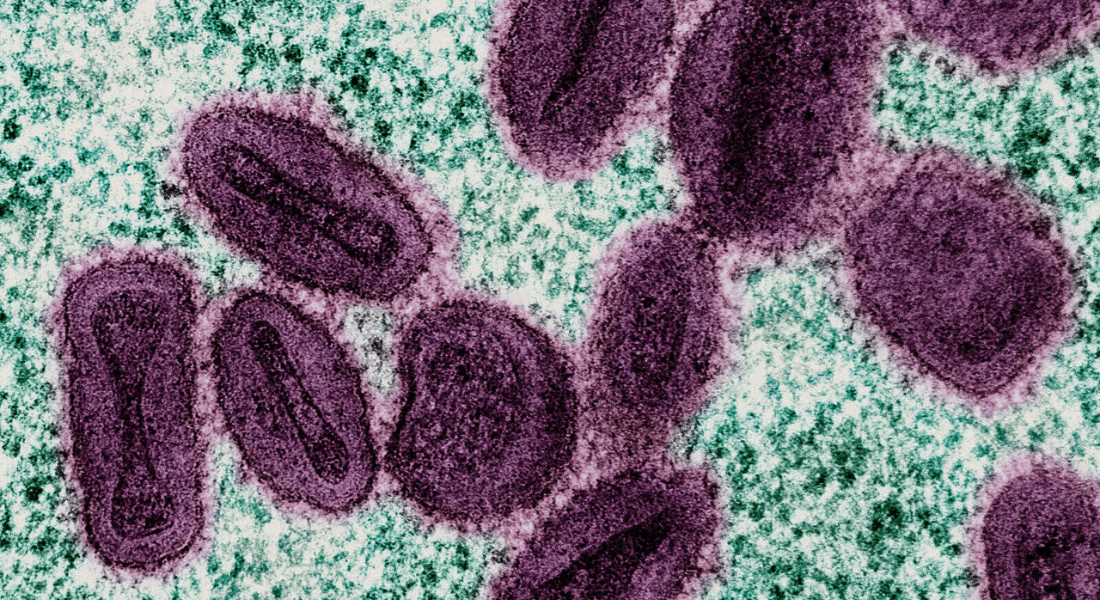
Cases dropped sharply after that, but they never disappeared. Four years later, mpox has not gone away. Now a report from the Centers for Disease Control and Prevention (CDC) says that mpox may be becoming endemic in this country meaning that it will always continue to spread at low levels.
In other words, mpox cases in the United States are no longer only being brought into the country by travelers. The virus is now spreading from person to person here.
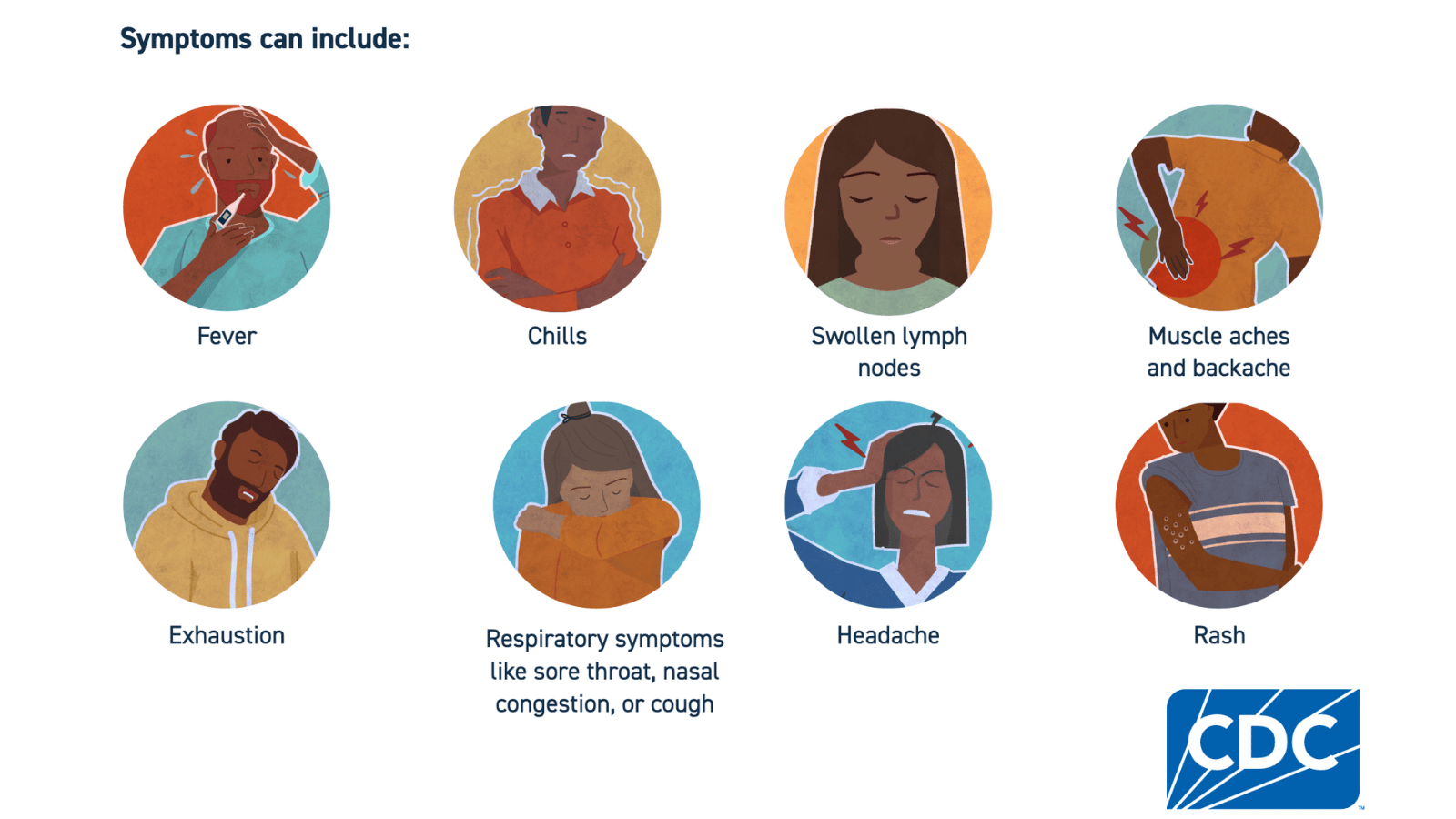
Mpox is caused by a virus. It can lead to flu-like symptoms including fever, headache, muscle aches, swollen lymph nodes, and exhaustion. It also causes a rash made up of fluid-filled sores that can appear on the face or body. These sores often appear on the genitals and can be mistaken for sexually transmitted infections (STIs) like herpes or syphilis.
Mpox is spread through contact with a person who is infected. It can be spread by the sores or by droplets in their breath. Mpox is often spread during sex or other intimate contact like kissing or cuddling. It can also be spread through contact with items such as bedding or towels that have been used by someone with mpox.
Mpox in the U.S.
Anyone can get mpox. In the United States, however, most cases during and since the 2022 outbreak have been among men who have sex with men.
Most people who get mpox get better on their own within a few weeks, but people with more severe infections may need to be hospitalized.
Vaccination Can Prevent Serious Illness
There is a vaccine called JYNNEOS that can help prevent mpox. The CDC recommends two doses for people who are more likely to be exposed to the virus, including some men who have sex with men. Vaccination is also recommended for some people traveling to countries where mpox outbreaks are occurring.
Researchers found that 76% of people diagnosed with mpox in the United States in 2024 and 2025 were unvaccinated. People who had not been vaccinated were also nearly 10 times more likely to be hospitalized with mpox than people who had received both doses of the vaccine.
The large mpox outbreak that made headlines in 2022 is over, but the virus is still circulating in the United States. If mpox becomes endemic, continued testing, vaccination, and awareness will be important even when case numbers remain low.