Nearly half of males in the United States have genital human papillomavirus (HPV), according to a study published in JAMA Oncology.
HPV is the most common sexually transmitted infection, and experts believe most sexually active individuals have an HPV infection at some point. CDC estimates there are 79 million total cases of HPV in the U.S. (with 14 million new cases each year).
Of the HPV types associated with sexual transmission, some are linked with genital warts while others are associated with cancers of the cervix, vagina, vulva, penis, and anus (along with a number of head and neck cancers). Most cases of HPV are harmless, however, and are cleared naturally by the immune system in a year or two.
The study by Jasmine Han, MD, and her colleagues was done with nearly 1,900 men ages 18-59 as part of the National Health and Nutrition Examination Survey (NHANES) 2013-2014. NHANES is a series of continuing studies assessing the health of adults and children in the U.S. Overall, HPV was detected in 45% of males in the study (25% of subjects were found to have a high-risk type). Unlike HPV infections in females which decline after peaking in mid-20s (click here for data on females), the results from this study found high rates of HPV in males across all age groups.
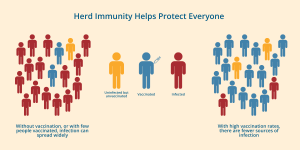
The researchers also found only 11% of the study subjects eligible for HPV vaccination had received the shots. HPV vaccines are approved for males and females ages 9-26 and are nearly 100% effective in blocking infections and diseases related to the HPV types covered, and the authors write “Our study indicates that male HPV vaccination may have a greater effect on HPV infection transmission and cancer prevention in men and women than previously estimated.”
Reference: Han JJ, et al. Prevalence of Genital Human Papillomavirus Infection and Human Papillomavirus Vaccination Rates Among US Adult Men. JAMA Oncol, published online January 19, 2017.