Sex After 50—Sexuality As We Age
Sex can be part of life well into our later years. While we may face health challenges as we age, we can still continue to enjoy a satisfying sex life.

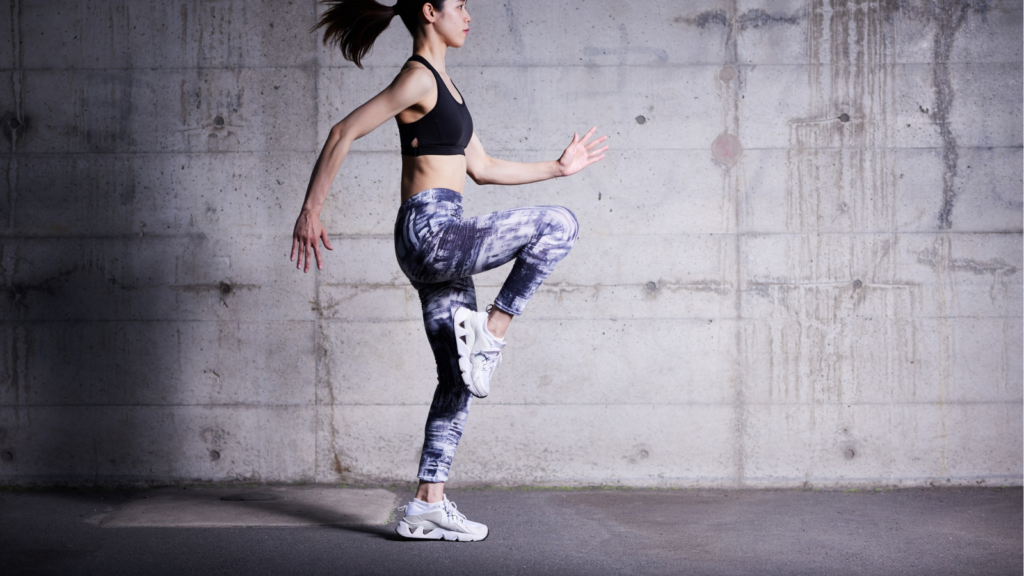
There’s new research to suggest that the birth control pill can protect female athletes from ACL tears which is one of the most common knee injuries. While this may sound far-fetched, the science behind it is very interesting.
The ACL connects your thigh bone to your shin bone. It provides stability when you move sideways and makes sure that the shin bone can’t come too far forward. ACL tears are pretty common with an estimated 100,000—200,000 incidents each year in this country. This injury can be very painful and damage other structures in the knee. ACL tears cannot heal on their own; you can live with a minor tear, but more severe tears require surgery.
What’s really interesting is that until age 15 or 16, the number of ACL tears for males and females is similar, but then there’s a spike for females.
Scientists at Cedar Sinai’s Center for Research in Women’s Health and Sex Differences (CREWHS) hypothesized that a hormone called relaxin might be the reason. Relaxin is produced by the ovaries and by the placenta during pregnancy. Relaxin loosens your muscles, joints, and ligaments. This happens during pregnancy to help the pelvis stretch during delivery.
Relaxin is also released in the second half the menstrual cycle, after ovulation. By suppressing ovulation, the birth control pill also keeps relaxin levels low.
To determine whether low relaxin levels impacted women, the researcher recruited 72 high-level collegiate athletes. About half of them (32) were on the pill. Researchers collected blood to measure hormone levels, and tested looseness of the athletes’ ligaments by taking them through a series of physical activities. They specifically tested sideways joint movement which increases the risk of ACL injury.
They found that the athletes who were not taking the pill had different hip and knee movement during the second half of their menstrual cycle when relaxin levels are higher. This didn’t happen to the women on birth control who were able to land a jump with their hips straighter and more parallel.
They also found that the women who had lower relaxin levels because of the pill had fewer ankle sprains, ankle strains, meniscal tears, and knee hyperextensions during the study.
These finding suggest that hormonal birth control can be protective against injury for female athletes. Of course, the authors note that most research on athletes is done on men so there is a lot we still don’t know.
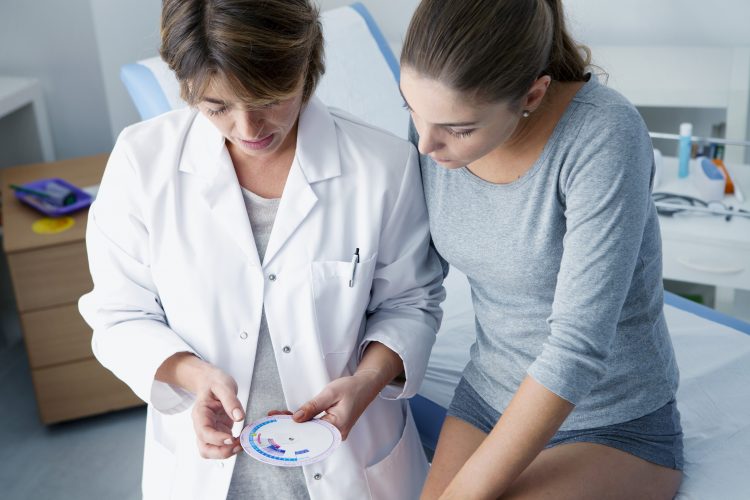
Sex can be part of life well into our later years. While we may face health challenges as we age, we can still continue to enjoy a satisfying sex life.

ASHA was founded in 1914. This timeline traces our history over our first 100 years.

Despite negative stereotypes, as well as some actual difficulties women can face during this time, many women report that once they’ve reached menopause they feel more confidant, stronger, and energized than they did before.

While most adults know the most common STIs, there’s still confusion about lesser-known infections, vaccines to prevent STIs, and whether sitting on a toilet seat is risky (it’s not).

From Pride Month to National Kissing Day, there’s a lot to celebrate in June.

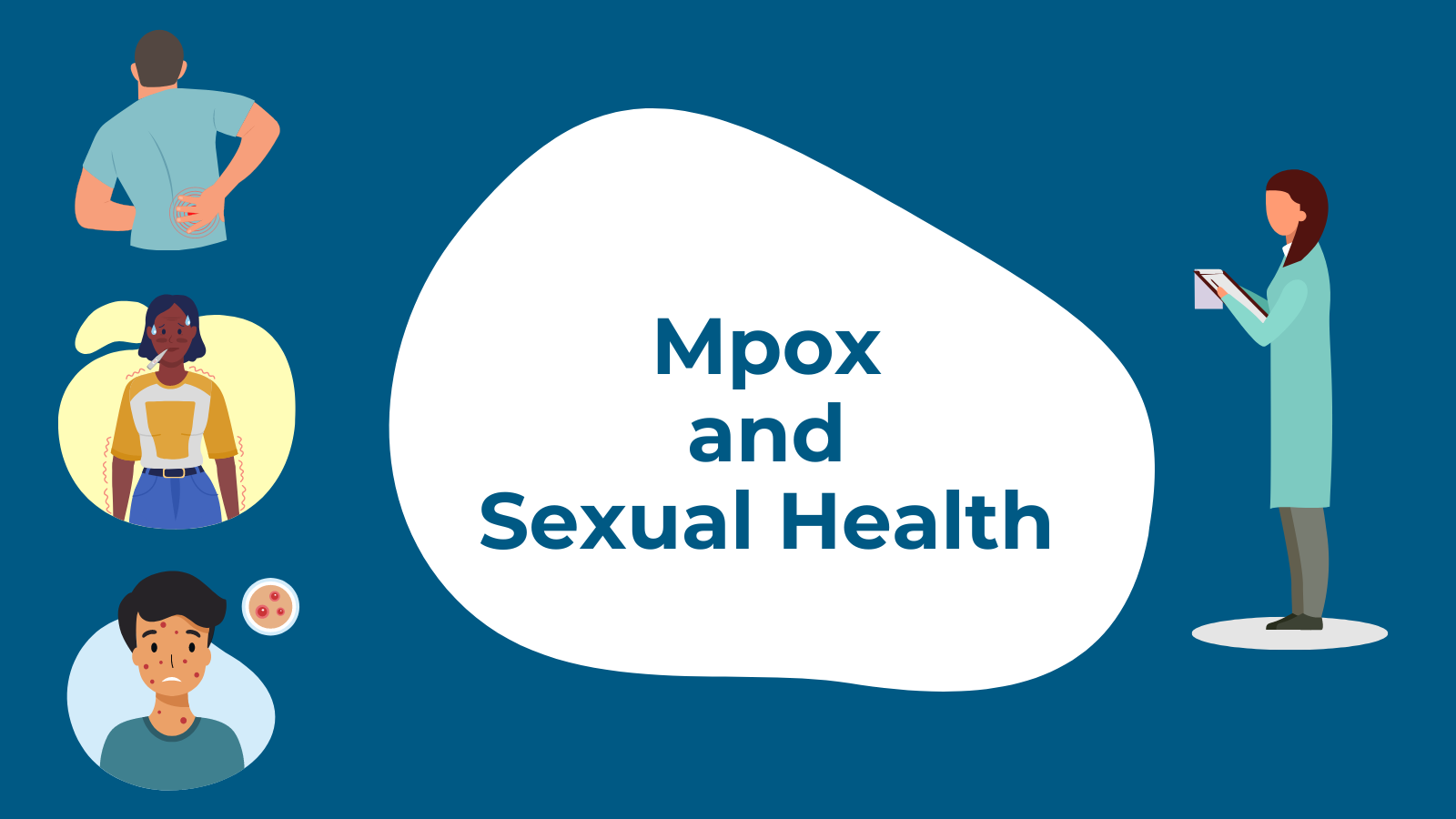
Is mpox passed on without symptoms? In a new study of more than 8,000 men, about 1% of the men tested positive despite never having had symptoms.

New data shows that cases of bacterial STIs have dropped dramatically in San Francisco. Public health officials in the city believe doxy PEP has helped drive these declines.

A new report shows that fewer women are getting prenatal care. That means too many patients are missing the chance to prevent congenital syphilis.
ASHA believes that all people have the right to the information and services that will help them to have optimum sexual health. We envision a time when stigma is no longer associated with sexual health and our nation is united in its belief that sexuality is a normal, healthy, and positive aspect of human life.
ABOUT
GET INVOLVED
ASHA WEBSITES
GET HELP
© 2026 American Sexual Health Association
We need to know if we can keep you company during this visit. We are useful for making this site work.
We use cookies to enhance your browsing experience. You can choose which cookies you want to accept.
Necessary cookies help make a website usable by enabling basic functions like page navigation and access to secure areas. The website cannot function properly without these cookies.
| Cookie | Provider | Purpose | Expiry |
|---|---|---|---|
digiconsent | This website | Stores your cookie consent preferences. | 1 year |
wordpress_logged_in_* | WordPress | Identifies logged-in users and their authentication details. | 14 days / Session |
wordpress_sec_* | WordPress | Stores authentication details for secure areas. | 14 days / Session |
wp-settings-* | WordPress | Stores user interface customization preferences. | 1 year |
wp-settings-time-* | WordPress | Stores the time when wp-settings cookie was set. | 1 year |
Analytics cookies help us understand how visitors interact with our website by collecting and reporting information anonymously. This helps us improve our website.
| Cookie | Provider | Purpose | Expiry |
|---|---|---|---|
_ga | Registers a unique ID to generate statistical data on website usage. | 2 years | |
_ga_* | Used by Google Analytics to store and count pageviews. | 2 years |
Marketing cookies are used to track visitors across websites. The intention is to display ads that are relevant and engaging for the individual user.
Functional cookies enable the website to provide enhanced functionality and personalization. They may be set by us or by third party providers.