Choosing A Hormonal Contraception Option

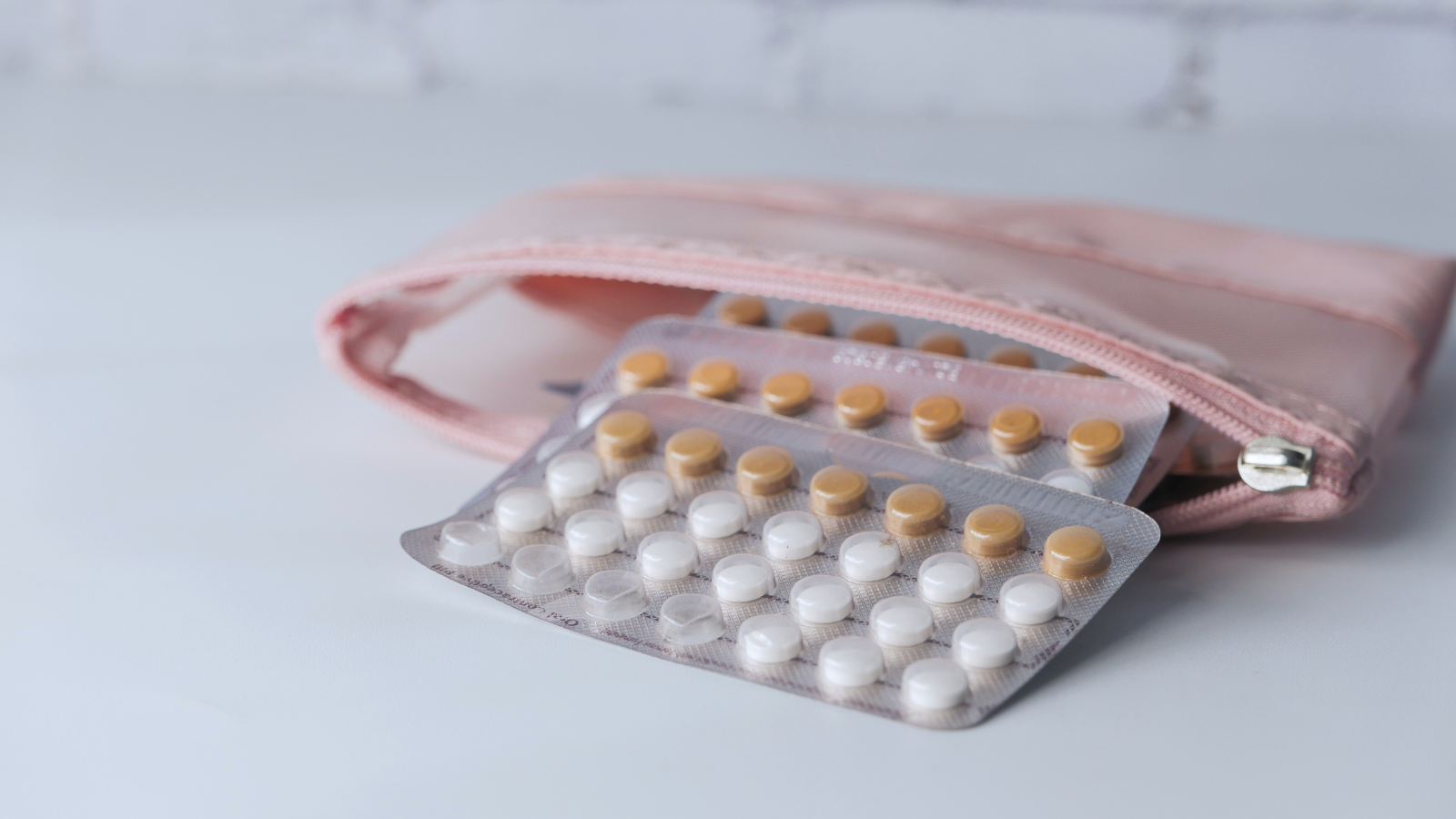
Many methods of birth control that are available today rely on hormones like those that our bodies make naturally. Some contain both estrogen and progestin (a synthetic version of progesterone) while others are progestin only.
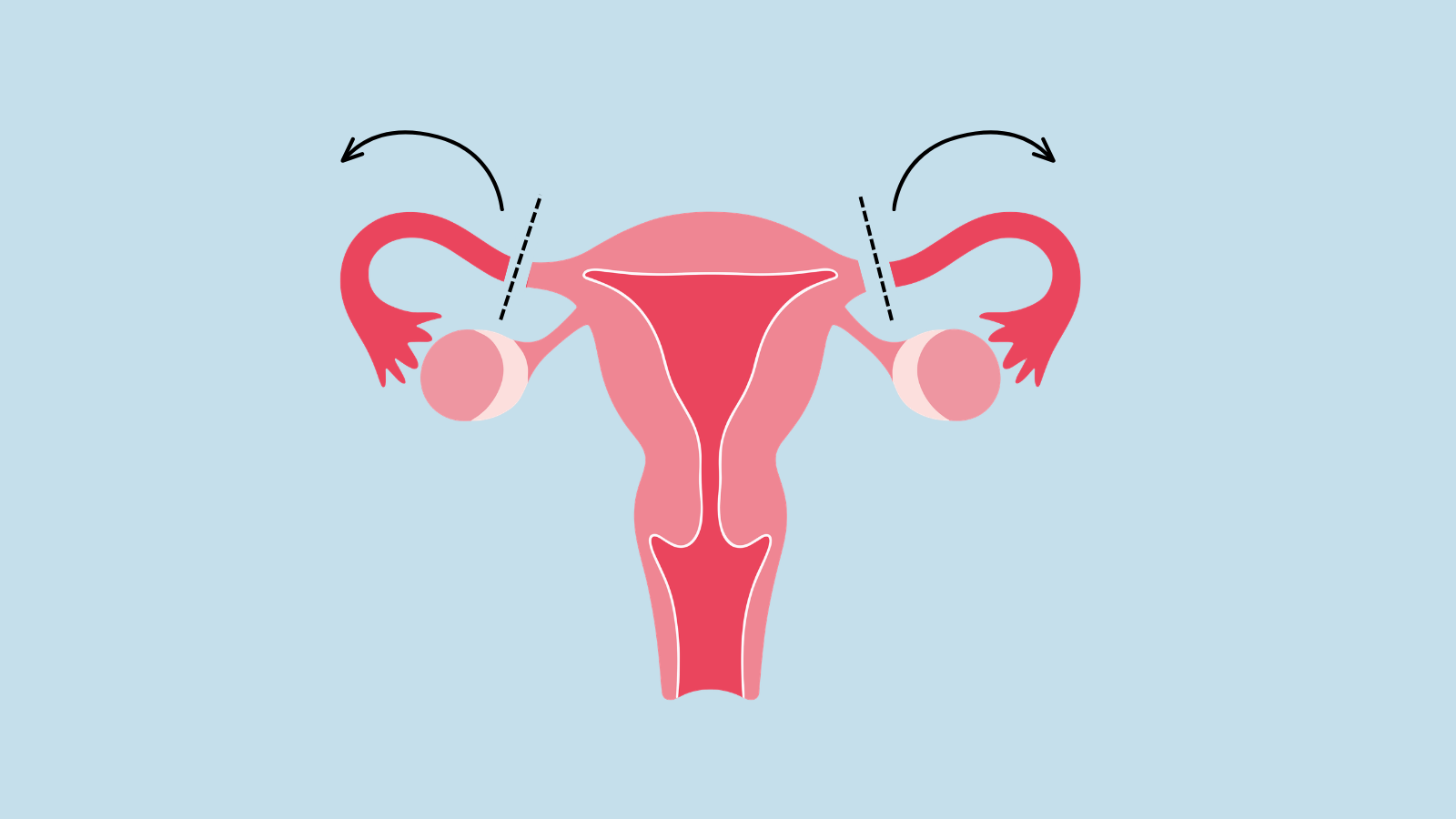
Hormonal methods come in many different forms—from pills to patches to shots—but all of them essentially work the same way. The most important thing they do is prevent ovulation. If there is no egg, there can be no pregnancy. These methods also thicken cervical mucus to keep sperm out and slow sperm down as they move toward the fallopian tubes.
Hormonal methods are very effective (around 99%) when used perfectly. In real life—when people may forget to take a pill or change their patch—some of these methods are closer to 93% or 91% effective. See our Birth Control Methods Chart for specific effectiveness rates.
You can make any of these methods work better by using them correctly all the time.
Benefits and Drawbacks of Hormonal Methods
One of the important things to keep in mind is that no hormonal method protects against sexually transmitted infections (STIs).
Like any medication, hormonal methods may have some side effects, but these vary widely from person to person. The only way to know if you will experience them is to try out a method.
Some people experience symptoms similar to those that happen before your period, like breast tenderness, weight gain, headaches, or nausea. These symptoms often go away after a few months. For some people switching to a different hormonal method—or even just a different brand of pill—can help ease these side effects.
There is some research that suggests hormonal methods raise the risk of heart attacks or strokes in some people. There has also been research looking at the connection between hormonal contraception and breast cancer, but the results have been inconclusive.
Hormonal methods also have some benefits. People who use them usually have a very regular cycle. With some hormonal methods, you may not get your period at all. People on hormonal methods often have less cramping during their periods and sometimes have fewer PMS symptoms. Some hormonal methods have been found to clear up acne.
Research has also found that long term use of hormonal methods can reduce a person’s risk of both ovarian cancer and uterine cancer.
Who Should Use Hormonal Methods
Hormonal methods are a great option for most people who don’t want to become pregnant or who want to regulate their periods.
To reduce the risk of serious side effects, these methods are not recommended for people who smoke, people who have had blood clots in the past, and people who have a history or family history of certain cancers. Whether you see a provider in person or get a prescription online, be honest about your health history so you can find the best and safest method for you.
You should also know that certain medicines, like antibiotics, can make some hormonal methods less effective. Make sure to tell your health care provider about all medicine you take before deciding on a hormonal method. Once you are taking a hormonal method, be sure to tell all other health care providers you see.
How to Get Hormonal Methods
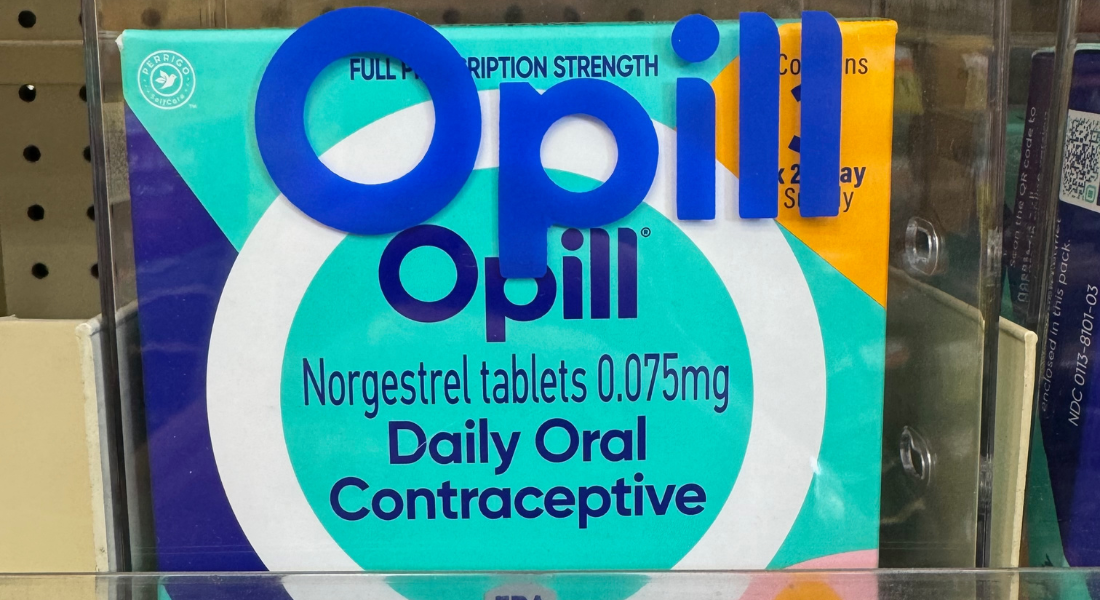
The only hormonal method of birth control that is available over the counter is Opill, which is a progestin-only pill. You can buy Opill in pharmacies or order it online. It costs $19.99 for one month or $49.99 for three.
All other pills, patches, and rings require a prescription. There are some online services that allow you to connect with a health care provider to get a prescription and then send the birth control to your house.
To get the birth control shot, you either have to see a health care provider every three months or get a prescription and give yourself the shots.
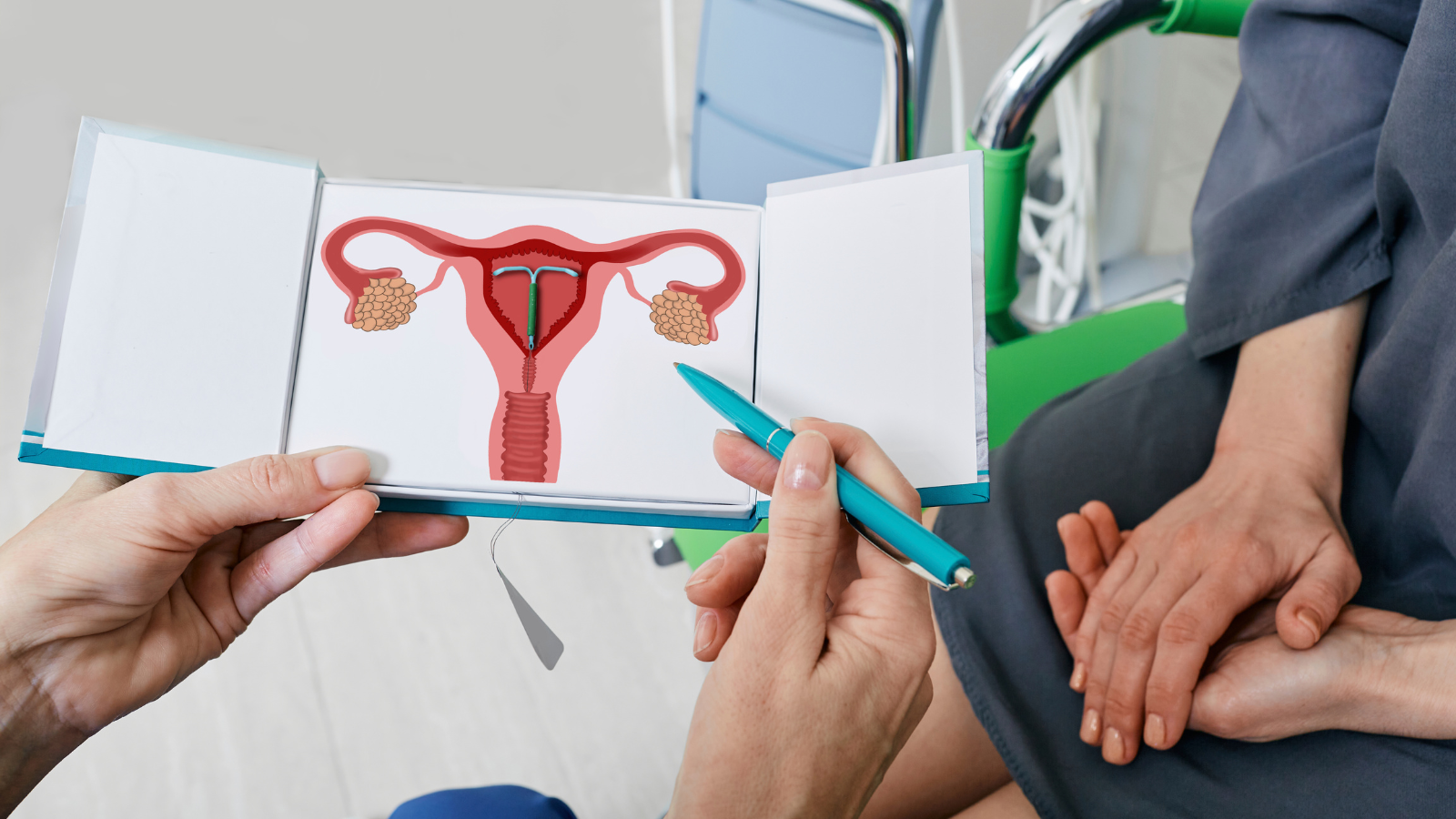
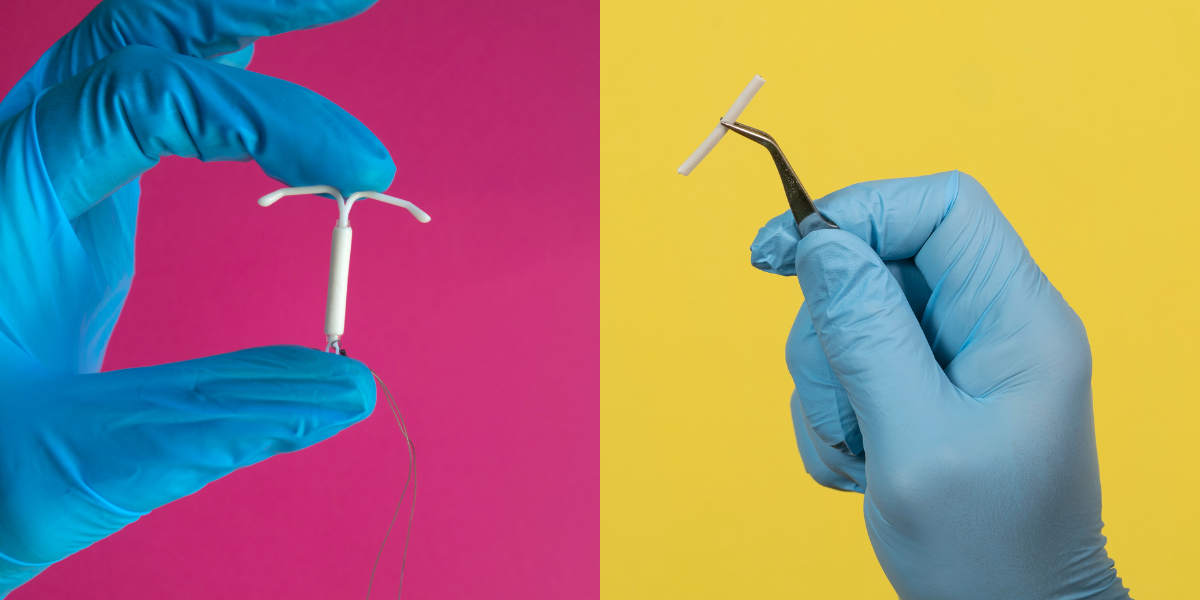
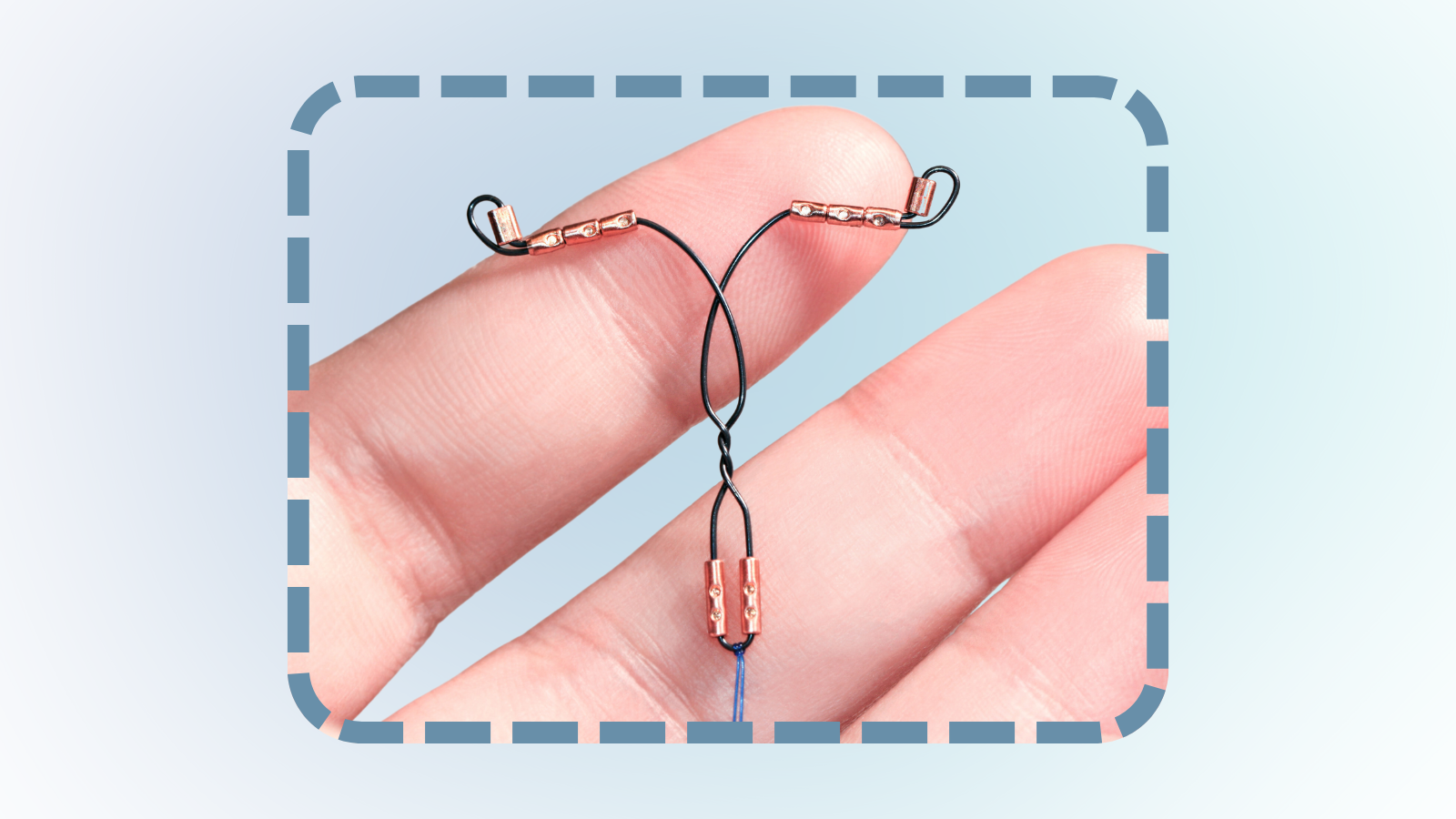
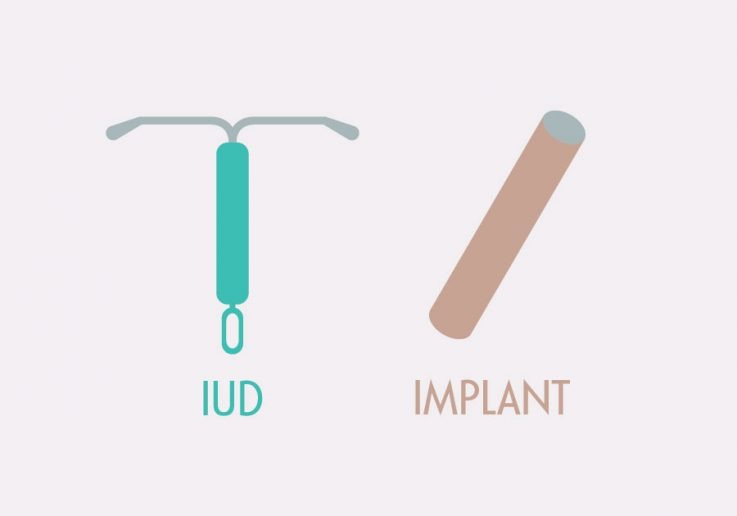
Some IUDs and the contraceptive implant (Nexplanon) contain hormones, but these methods are in their own category called long-acting reversible contraception (LARC). Once they are put in place by a health care provider, they work for years without you having to do anything. See our LARC page for more information.
Cost of Hormonal Methods
If you have insurance, most hormonal birth control methods are free. There are some exceptions. Some insurers will only cover certain brands of the pill, for example. Your pharmacist should be able to help you figure out which ones will be covered by your plan.
If you don’t have insurance, you can try some of the online services which offer a one-year prescription for a flat price or check out clinics in your area like Planned Parenthood that offer services on a sliding scale.
More Detail on Specific Methods
The differences between hormonal methods mostly come down to how you get them and how you use them. Remember, how well these methods work is all about how much effort you put in.

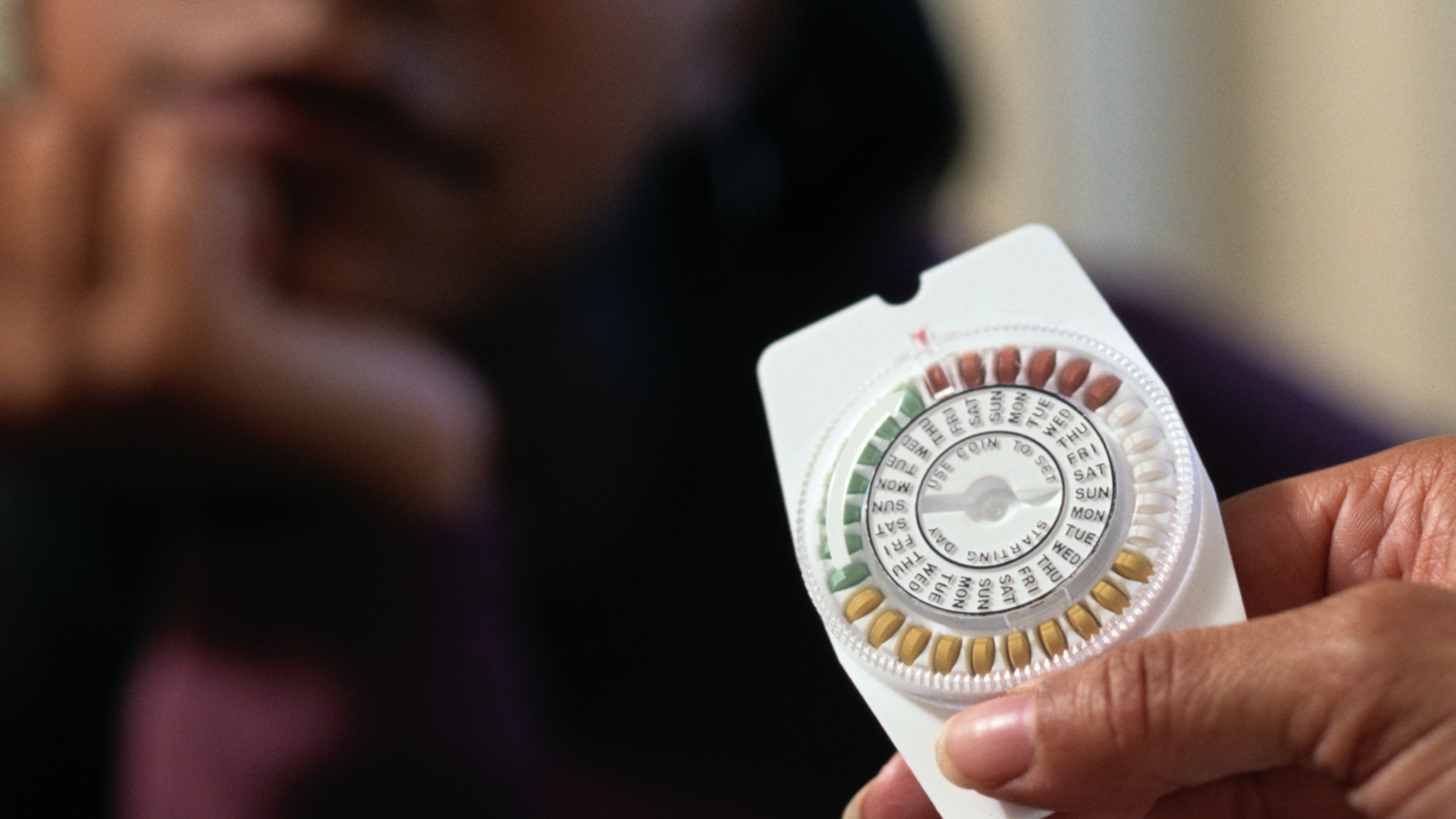
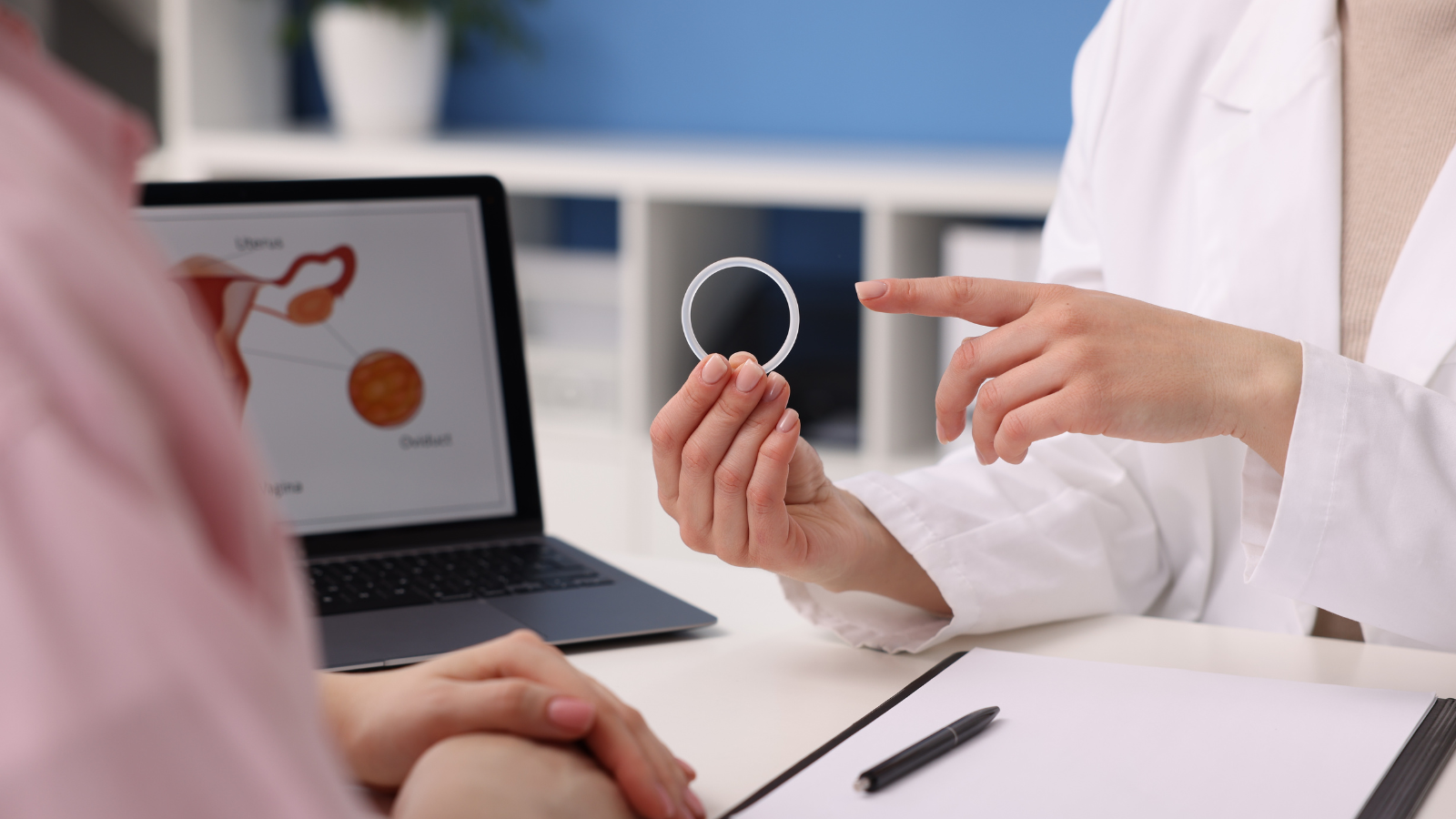
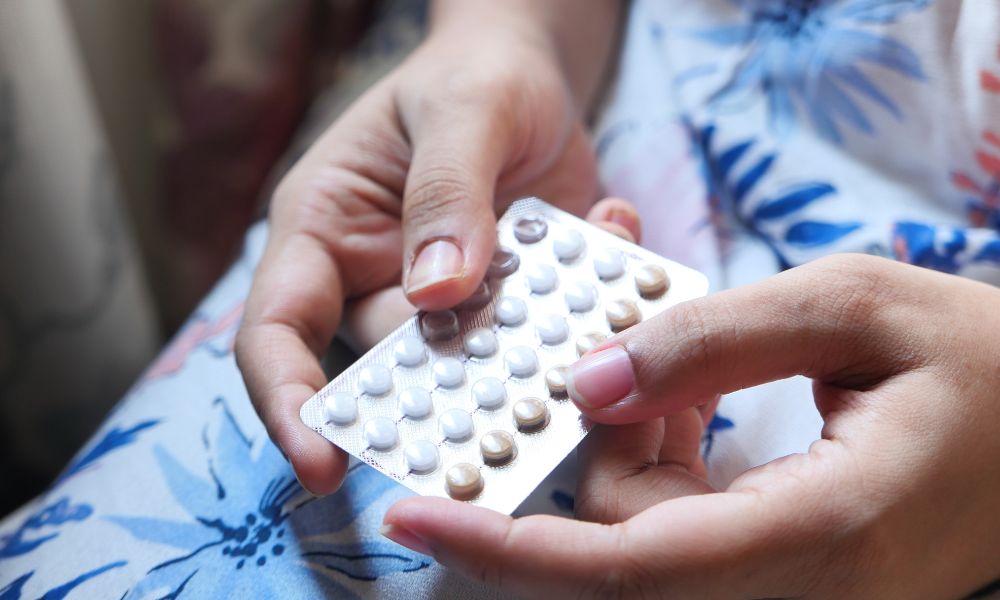
- The Combination Pill: These pills contain estrogen and progestin. You take one pill each day whether you are having sex or not. Most formulations of the pill come in 28-day cycles. You take hormones for three weeks and then either take a sugar pill or no pills for one week. During that time most people bleed like they’re having their period. You can take pills straight through without any break for bleeding. Some pills are designed for this.
- The Progestin-Only Pill: This is sometimes called the mini-pill because it only contains one hormone. Most minipills come in 28 days packs with no sugar pills. That means that you take the pill straight through. It is important to take these pills at roughly the same time every day. If you take it more than three hours late, it could become less effective.
- The Patch: The patch looks like a bandage or sports tape that you stick on your back, arm, belly, or butt. It releases hormones through your skin. You wear each patch for a week. After three weeks, you take a week off. During that time, most people bleed like they’re having their period. If you prefer not to bleed, you can put on a new patch every week. Talk to your provider if you decide to do this because you will run through refills faster than expected.
- The Ring: The vaginal ring is a small flexible circle. You insert it high up into your vagina and leave it in. The ring releases hormones through your vagina. If you use a monthly ring, you leave it in for three weeks, take it out for a week, and then put in a new one. If you use the yearly ring, you leave it in for three weeks, take it out and store it in its case for one week, and then put the same ring back in. During the time that that the ring is out, most people bleed like they’re having their period. If you prefer not to bleed, you can leave the ring in all the time. With the yearly ring, you have to take it out after 13 cycles (1 year) and get a new one. With the monthly ring, you have to take it out at least every five weeks and put in a new one.
- The Shot. The birth control shot is a progestin-only injection that last three months. You can decide if you want to see a health care provider for shots (you’d get Depo-Provera) or if you give yourself shots at home (you’d get Depo-SubQ-Provera). Either way you need to get a shot ever 12 to 15 weeks. If you are more than two weeks late getting your shot, you should use a back-up from of pregnancy prevention like condoms.
Choosing the Best Hormonal Method
All hormonal methods are effective at preventing pregnancy if used correctly, so choosing the right one is more about you. Are you someone who will remember to take your pill every day? Would you be comfortable putting a ring in your vagina? How do you feel about shots? Look at the information above and think about how you might do using each method. Be honest with yourself.
Also remember that none of these methods provide protection against STIs. To protect you and your partner against STIs, think about using a condom along with whichever hormonal contraceptive method you choose.
Visit Bedsider to use their interactive tool to compare birth control methods side by side.
Learn More