
Syphilis Rates in Pregnant Women Continue to Rise
Syphilis rates among pregnant women went up 222% percent between 2016 and 2022 and another 28% between 2022 and 2024. This alarming increase shows too many pregnant women are not being screened.

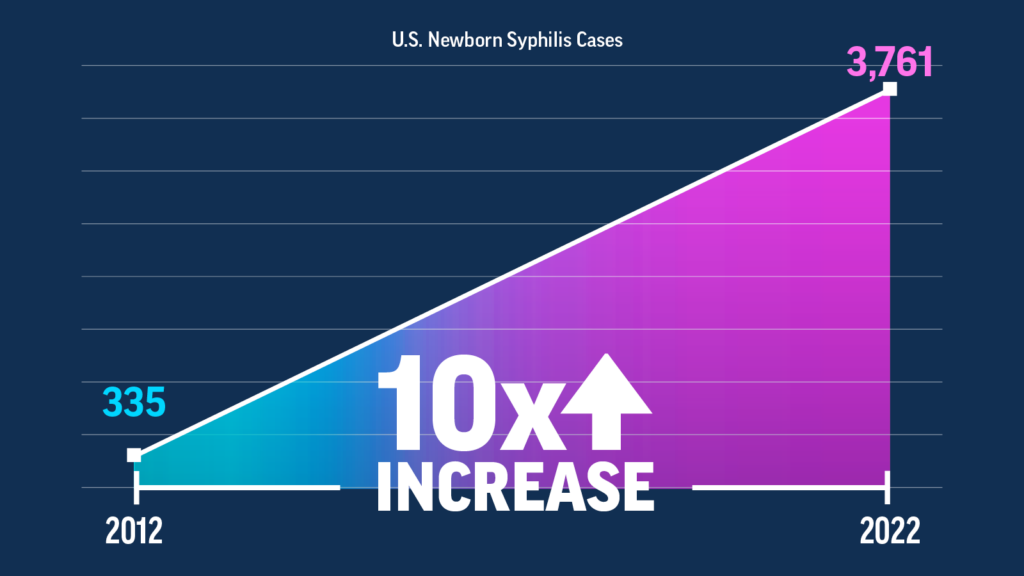
The Centers for Disease Control and Prevention (CDC) is sounding the alarm on newborn syphilis. Cases of infants born with syphilis have soared in recent years. New CDC data reveal that more than 3,700 babies were born with syphilis in 2022—more than 10 times the number born in 2012.

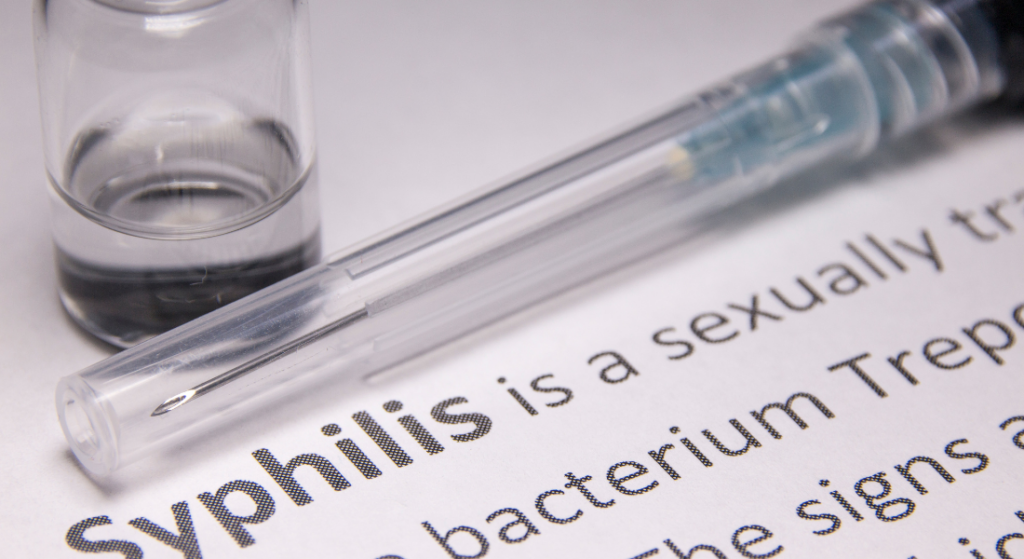
Syphilis during pregnancy is a serious issue. It can cause miscarriage, stillbirth, and infant death. Babies born with syphilis can face lifelong medical issues. This is why screening for syphilis is recommended for all pregnant patients, so infections can be found and treated.
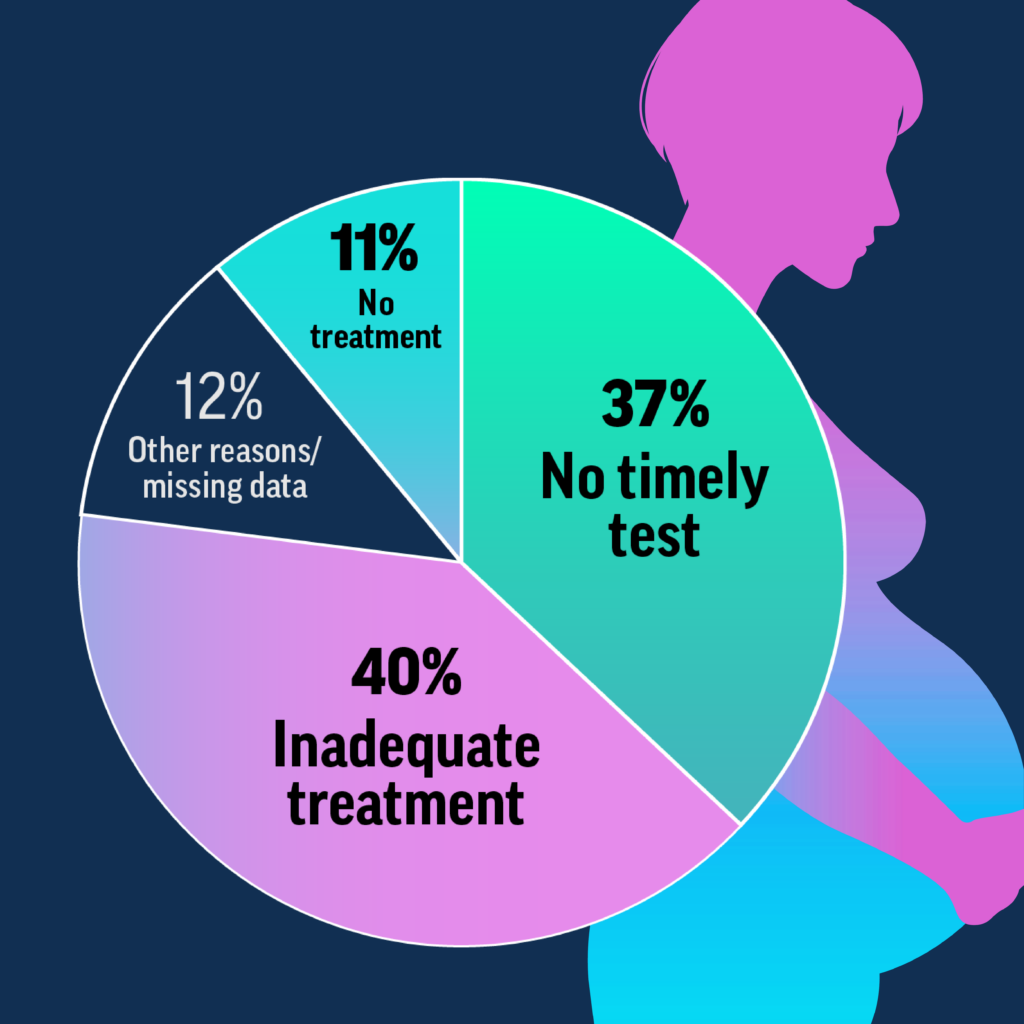
As CDC notes, there were many missed opportunities to prevent newborn syphilis. For example, 2 in 5 (40%) people who had a baby with syphilis did not get prenatal care. Some pregnant patients were not screened for syphilis or were not treated after testing positive. Overall, 9 in 10 cases of newborn syphilis in 2022 might have been prevented with timely testing and treatment.

There are also clear disparities in newborn syphilis cases. In 2021, babies born to Black, Hispanic, or American Indian/Alaska Native mothers were up to 8 times more likely to have newborn syphilis than babies born to white mothers. These disparities stem from unfair and unjust systems, policies, and practices.
Newborn syphilis is a preventable problem. As the CDC states in its report, “Increasing rates of syphilis among babies reflect a failure of the U.S. health system.”
While there are large, systemic problems that play a role, like institutional racism and lack of access of care, there are clear steps that can be taken. CDC has offered guidance to health care providers and health departments on timely testing and treatment.
Read more about syphilis prevention, testing, and treatment here.

Syphilis rates among pregnant women went up 222% percent between 2016 and 2022 and another 28% between 2022 and 2024. This alarming increase shows too many pregnant women are not being screened.

At the end of 2025, the American Cancer Society released its new cervical cancer screening guidelines. In January 2026, the Health Resources and Services Administration endorsed a new set of guidelines as well. Both suggest HPV screening with self collected samples is an acceptable option.

Research suggests that only one dose of the HPV vaccine may be effective enough to prevent HPV-related disease, including cancer.

Australia has been a leader in HPV-prevention and cervical cancer screening for decades. Because of this, it is now close to eliminating cervical cancer entirely. However, recent drops in vaccination and screening rates threaten this progress.

The FDA approved two new drugs to treat gonorrhea The new drugs—gepotidacin and zoliflodacin—are both new kinds of antibiotics and represent the first completely new treatment options in over thirty years.

The American Cancer Society (ACS) released new recommendations for cervical cancer screening that focus on HPV testing and approve the use of self-collected samples. The recommendations also clarify the age at which screening should start and stop.
ASHA believes that all people have the right to the information and services that will help them to have optimum sexual health. We envision a time when stigma is no longer associated with sexual health and our nation is united in its belief that sexuality is a normal, healthy, and positive aspect of human life.
ABOUT
GET INVOLVED
ASHA WEBSITES
GET HELP
© 2026 American Sexual Health Association
We need to know if we can keep you company during this visit. We are useful for making this site work.
We use cookies to enhance your browsing experience. You can choose which cookies you want to accept.
Necessary cookies help make a website usable by enabling basic functions like page navigation and access to secure areas. The website cannot function properly without these cookies.
| Cookie | Provider | Purpose | Expiry |
|---|---|---|---|
digiconsent | This website | Stores your cookie consent preferences. | 1 year |
wordpress_logged_in_* | WordPress | Identifies logged-in users and their authentication details. | 14 days / Session |
wordpress_sec_* | WordPress | Stores authentication details for secure areas. | 14 days / Session |
wp-settings-* | WordPress | Stores user interface customization preferences. | 1 year |
wp-settings-time-* | WordPress | Stores the time when wp-settings cookie was set. | 1 year |
Analytics cookies help us understand how visitors interact with our website by collecting and reporting information anonymously. This helps us improve our website.
Marketing cookies are used to track visitors across websites. The intention is to display ads that are relevant and engaging for the individual user.
Functional cookies enable the website to provide enhanced functionality and personalization. They may be set by us or by third party providers.