
Understanding the Social Factors Associated with Congenital Syphilis
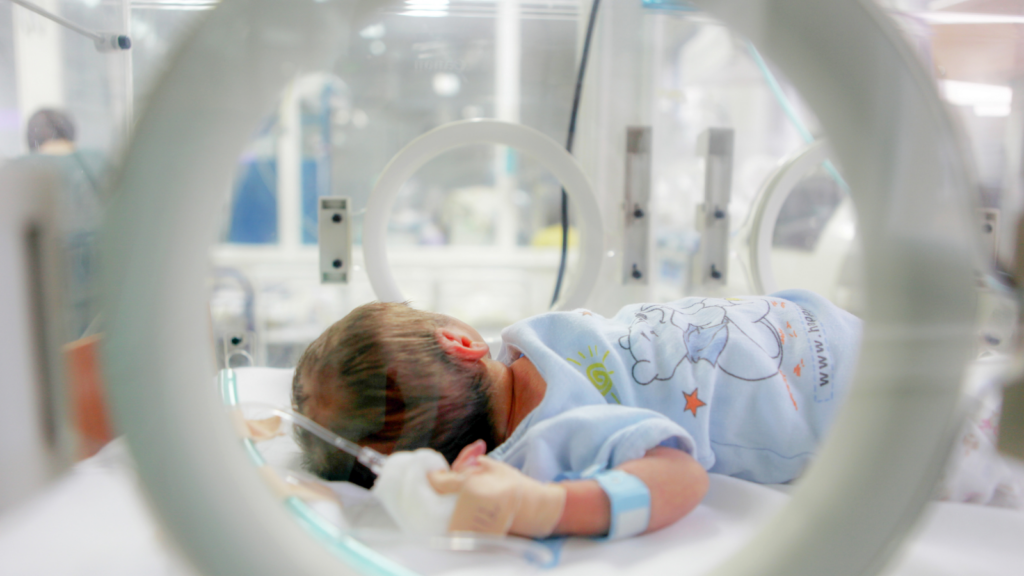
In recent years, syphilis cases have been increasing, and there has been a surge in cases among newborns. Syphilis is a sexually transmitted infection caused by the Treponema pallidum. It can be passed during vaginal, anal, or oral sex. It can also be passed from a mother to an infant during pregnancy or delivery. This is referred to as congenital syphilis.
There were 3,755 babies born with congenital syphilis in 2022 alone. This is over 10 times more babies than were born with syphilis in 2012. Public health experts have said that every case of congenital syphilis is a failure of STI screening and prenatal care. A new study looked more closely at cases to see what factors in a pregnant person’s life were most associated with congenital syphilis.
The study, by researchers at Washington University’s Institute for Public Health, looked at five years of medical records for mother/infant pairs in Missouri. Pairs were included in the analysis if the child had a positive RPR test (which looks for syphilis antibodies in the blood but often gives false positives) or other mention of syphilis in their medical charts.
Researchers initially identified 130 pairs. Further examination of their medical records led researchers to believe that 74 of the infants in these pairs were likely born with congenital syphilis and 56 were likely not. Among mothers of infants who had congenital syphilis:
- 47% had limited or no prenatal care
- 42% had a history of substance abuse
- 25% had housing instability
- 8% had history of transactional sex
When compared to mothers of infants who likely did not have congenital syphilis, the potential congenital syphilis group was more likely to:
- be uninsured (12% v 4%),
- have a history of inadequate prenatal care (60% vs 31%),
- have a history of substance use (54% vs 27%),
- have experienced housing instability (34% vs 14%), and
- have had previous interactions with justice system (32% vs 20%).
Researchers found that inadequate prenatal care and housing instability were the best predictors of congenital syphilis outcomes. Of course, all of these factors are interrelated. Mothers with substance use, for example, are more likely to have inadequate prenatal care. Other factors that related to inadequate prenatal care were unemployment, lacking of insurance, and a history of transactional sex.
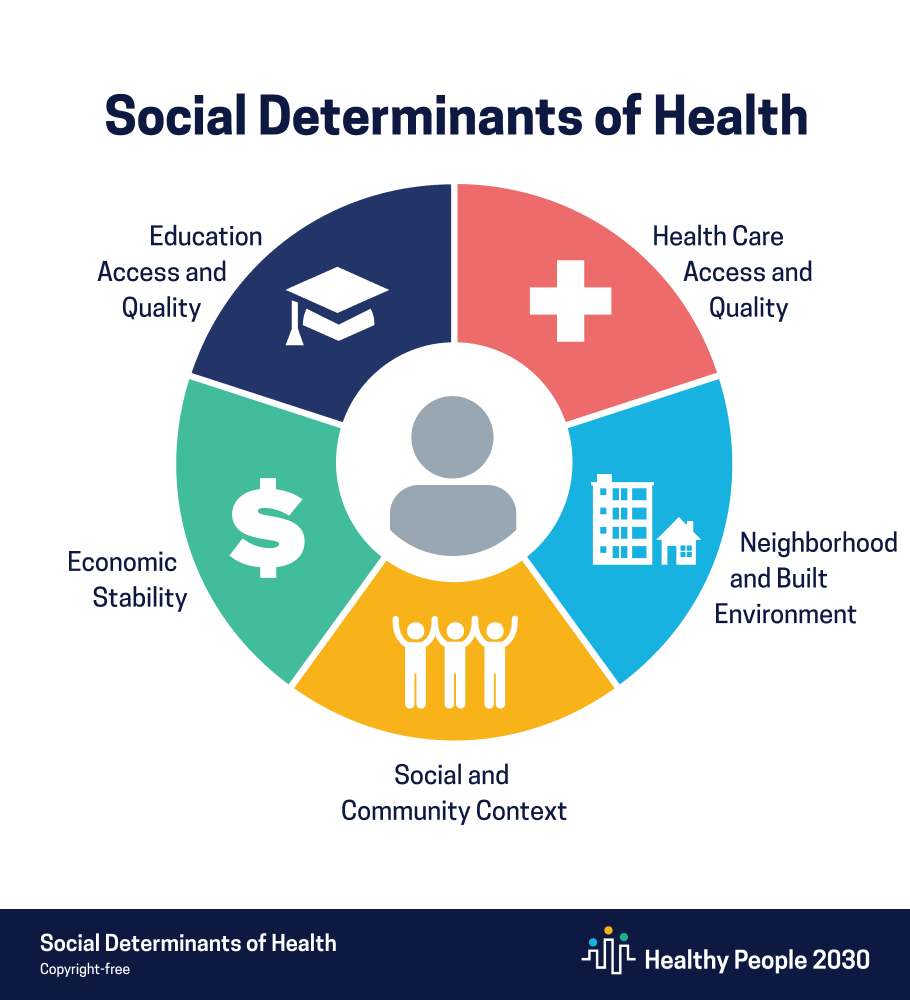
The findings in this study are not surprising. Social Determinants of Health (SDOH) theory tells us that the conditions under which people live affect a wide range of health outcomes and contribute to extensive health disparities and inequities in this country. However, the analysis was able to highlight missed opportunities to prevent congenital syphilis.
According to the authors, the finding show that our traditional healthcare delivery models are not providing the timely syphilis care that pregnant women need. They argue we need to “explore expansive and innovative approaches to engage pregnant people in care in all possible venues.” They go on to say that the high rates of substance use, housing instability, and interactions with the justice system found in the study should be seen as opportunities. Public health organizations can collaborate with treatment facilities, shelters, housing organizations, and the justice system to provide routine syphilis testing and link pregnant people with care.
Syphilis during pregnancy is a serious issue. It can cause miscarriage, stillbirth, and even infant death. Babies born with syphilis can face lifelong medical issues. The CDC believes that 9 in 10 cases of congenital syphilis might have been prevented with timely testing and treatment. This study offers important suggestions for casting a wider net of syphilis screening.
More to Explore
Thank you for your interest
Thank you for your submission. Unfortunately, you do not meet the criteria for our Advisor Community. We appreciate your time and interest in the program. Learn more about ASHA
Thanks for your interest
Thanks for your interest in joing the ASHA Advisor Community You will shortly receive an email with additional information about the program and a link to complete an introductory survey. Don’t see the email? Check your spam and/or junk email folders.
Thank you for completing the survey
Thank you for completing the ASHA Advisor Community survey! You’ve earned 5 points toward your first $50 gift card (sent when you earn 50 points)! Future survey invitations will come from a remesh.ai email address (our survey platform) so keep an eye out. Learn more

Understanding STI Test Results
So you got tested for STIs and have your results. Ideally, STI test results are easy to understand and you have a health care provider available to answer any questions. But sometimes you may find yourself with just a lab report filled with unclear terms.
Prevent HIV
There are so many ways to prevent HIV. You can start by getting tested to learn your status.

Be PrEPared for Sex
Whether you’re thinking about having sex, starting a new relationship, or just have questions, we can help. Learn more about how to be prepared for sex.

Am I Ready for Sex?
Am I ready for sex? This is a very common question. Your question may be “How do I know if I’m ready to have sex for the first time?” or “How do I know if I’m ready to have sex with a new person?” or