Understanding STI Test Results
So you got tested for sexually transmitted infections (STIs) and have your results. Ideally, they are easy to understand and you have a health care provider available to answer any questions. But sometimes you may find yourself with just a lab report filled with unclear terms. Keep reading to learn more about those terms and what they mean, and what to do after a positive or negative result.
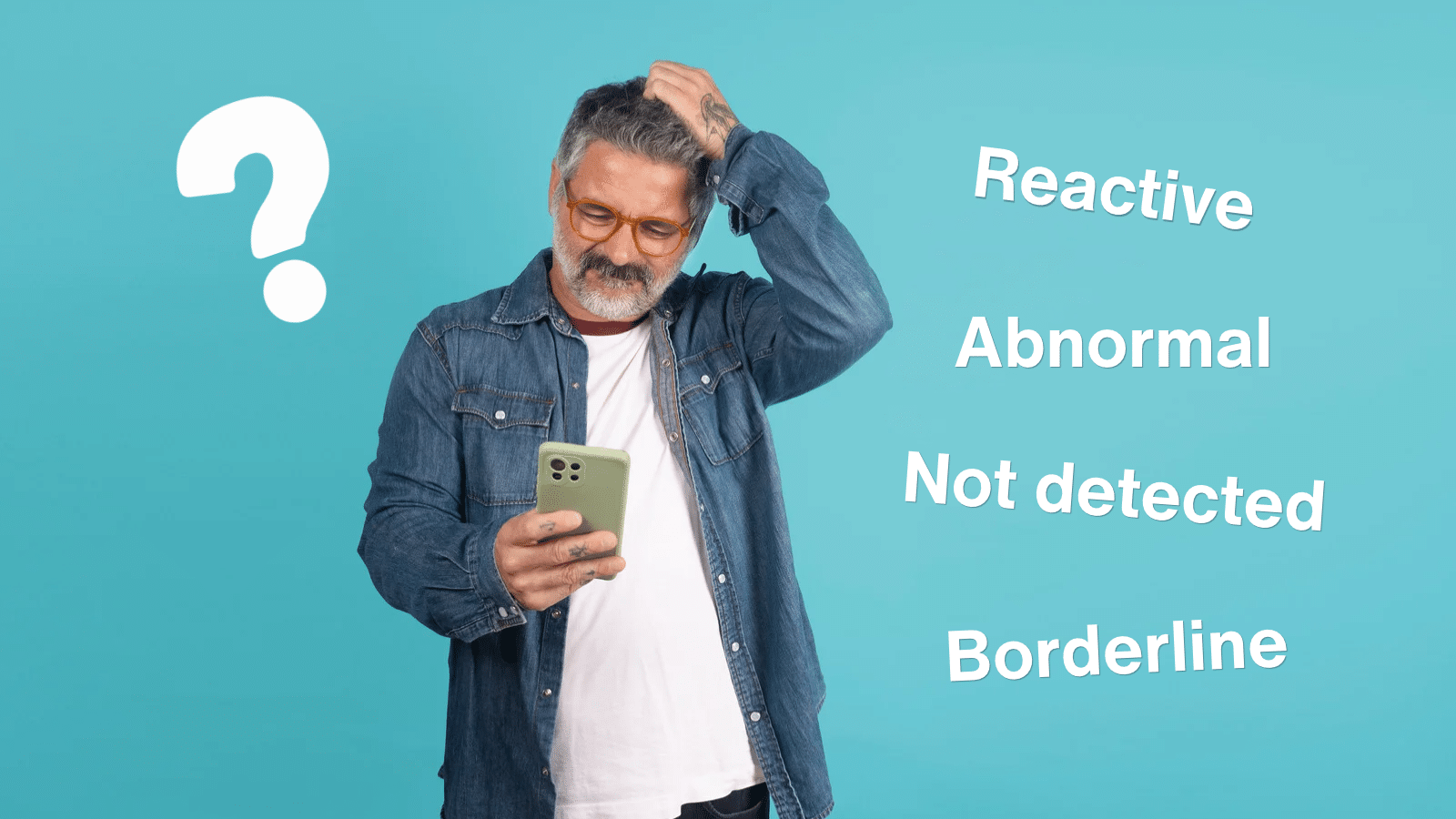
Your results might simply read “positive” or “negative,” and seem clear. But you may see a range of other terms, like “reactive” or “detected” or “borderline.” Here’s how to interpret these results.
Normal Result | Non-Reactive | Not Detected
These results mean that no infection was found, or what some may refer to as a “negative” result. If that is the case, see the section below Understanding a Negative Result. Testing is a great way to take care of your sexual health, but there are other things you can do.
Abnormal Results | Reactive | Detected
These results mean that an infection was found, or what some may refer to as a “positive result.” If you have a positive result, it’s important to follow up with a health care provider to get treatment. Learn more about positive results for different infections in the Understanding a Positive Result section below.
Inconclusive Results
Sometimes you won’t see a definitive result. You may see terms like:
- Borderline
- Invalid
- Unable to verify
These results typically mean the lab could not test the samples sufficiently or get a valid result. This could be for many reasons such as not enough sample being provided. It could also be that the results were too low to quantify and repeat testing either couldn’t be done (not enough sample left) or couldn’t confirm the result.
Whatever the cause, an inconclusive result means a new test is needed.
Understanding a Positive Result
Chlamydia and Gonorrhea
A positive test result for chlamydia and/or gonorrhea means you have the infection. Both chlamydia and gonorrhea are curable with antibiotics. It’s important to treat these infections early so they’re less likely to cause any health problems. A health care provider will decide which antibiotic is prescribed, taking into consideration your particular needs.
Whatever treatment is prescribed, there are some important points to remember:
- Be sure to take all of the medication prescribed, even if your symptoms go away.
- Let your recent sexual partners know about as they may also have an infection and may want to be tested as well.
- Avoid sex until you finish your medication.
- If you still have symptoms after treatment, you should be tested again.
Hepatitis B
A positive test means the hepatitis B virus (HBV) was detected. The Hep B test does NOT distinguish between acute and chronic infection.
An acute infection with HBV typically has few (if any) symptoms and sometimes lasts only a few months. Almost all adults with acute hepatitis B recover completely and won’t develop long-term infection.
Some people develop a chronic HBV infection that lasts longer and, without treatment, can damage the liver. Chronic infection occurs most often in children, but can occur in adults.
Treatment is often not needed with an acute HCV infection but is essential for those with chronic infections.
If your test is positive, the next step is to get additional testing performed by a clinician to confirm the result and, if confirmed, stage the infection so you can be treated appropriately.
Hepatitis C
A positive test means you have an active hepatitis C virus (HCV) infection. HCV infections mainly affect the liver.
Some people experience an acute infection with HCV, typically with few (if any) symptoms and sometimes lasting only a few months. Others will develop a chronic HCV infection that lasts longer and, without treatment, can damage the liver.
Treatment is important and, if done in a timely manner, can cure most cases of HCV.
Herpes
A positive blood test should tell you whether you have HSV-1, HSV-2, or both. If a person tests positive for HSV-2, it is virtually always a genital infection. If a person tests positive for HSV-1, it may be either an oral or genital infection. The blood test can only identify the virus type, not the site of the infection. A positive HSV-1 blood test can mean an oral infection or a genital infection.
When a person has active herpes lesions (a.k.a. blisters, sores), a swab can be taken and tests can done that can detect the virus directly. A Nucleic Acid Amplification Testing (NAAT) can identify the specific herpes virus type someone is infected with. This is how a HSV-1 genital infection could be diagnosed.
- HSV-1: A positive test means you have the herpes simplex virus type 1 (HSV-1). HSV-1 is most often associated with oral herpes (cold sores) and is very common. More than 50 percent of the adult population in the U.S. have oral herpes, almost always due to HSV-1 acquired as children from kissing a relative or friend. HSV-1 can also be experienced as a genital infection.
Many people with oral HSV-1 don’t have symptoms. Some people will experience sores on or around the lips, sometimes referred to as “cold sores.” When needed, treatment options include prescription medications and over-the-counter options. Some of the options that don’t require a prescription can slow the healing process, so be sure to talk with a health care provider to understand what’s best for you. Learn more about oral herpes, including treatment options. - HSV-2: A positive test means you have the herpes simplex virus type 2 (HSV-2). HSV-2 is very common, with about one in eight individuals age 14-49 in the U.S. estimated to have the virus, most often as a genital infection. Approximately 90% of those with HSV-2 have no obvious symptoms and are not aware they have the infection.
Herpes is typically very manageable and seldom a risk to one’s health. In couples where one partner has HSV-2 and the other doesn’t, it’s not uncommon for them to be together for years without passing the infection on, although there is always a risk. Learn more about HSV-2, including tips on herpes and relationships.
HIV
A positive test means you have the human immunodeficiency virus (HIV). HIV can’t be cured, but there are very effective treatments. When taken as directed, treatment reduces the amount of virus in the blood (the viral load), and most people can live a long, healthy life after diagnosis. Treatment can reduce the viral load to undetectable levels, and the virus cannot be passed on to HIV-negative partners through sex. This called U=U: undetectable. equals untransmittable.
The most important thing is to talk to a health care provider as soon as possible. Work closely with health care providers to take care of yourself (and your partners, as they should be tested, too).
HPV
A positive test means you have one or more types of the human papillomavirus (HPV). HPV is very common, with almost all sexually active people having at least one HPV infection in their lifetime. HPV tests can detect the types of the virus that, in a few cases, can increase someone’s risk for cervical cancer. With a positive result, you’ll need a visit to a health care provider and probably have more tests, just to see if you have any abnormalities that need to be treated. Following up with a health care provider in person is essential so, if needed, you can get additional testing or treatment to prevent cancer.
Syphilis
Diagnosing syphilis is a multi-step process. If ANY of your syphilis tests (Treponema pallidum Antibody, RPR, TPPA) tests were reactive, follw up with a health care provider. Syphilis is 100% curable and timely treatment protects your health. Even if you don’t have any symptoms or think that you have syphilis, if your test results indicate syphilis infection, it’s important that you see a health care provider. Take all medications as directed, and your partners should be examined and treated, too.
Trich
A positive test means you have trichomoniasis (or “trich”), a common infection caused by a parasitic protozoa called Trichomonas vaginalis. Each year, there are an estimated 2 million cases of trich in the U.S. each year, although most cases never show signs or symptoms. Trich can be cured with antibiotics (your sex partners need treatment, too).
Understanding a Negative Result
If your test was negative (“non-reactive” or “not detected”) that means you don’t have an infection. Testing is so important, and you’ve taken a huge step in protecting not only your health, but the health of your partners, too.
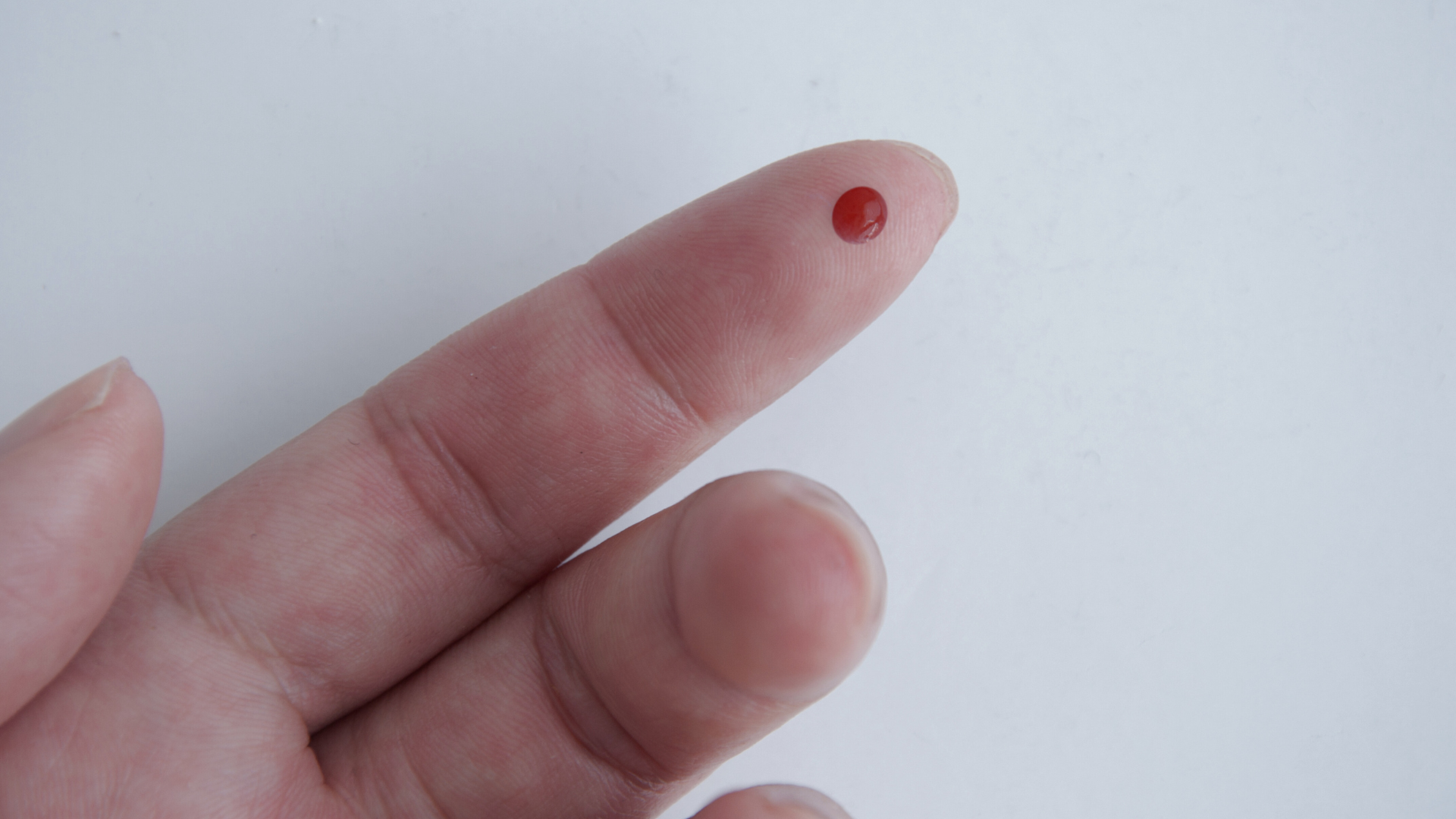
It is possible to have a negative test if testing was done too soon after exposure. It takes some time for an infection to be detected, and this will vary with different STIs. For example, chlamydia and gonorrhea can typically be detected within 1-2 weeks after exposure. Antigen/antibody tests done with blood from a finger stick can usually detect HIV infection 18 to 90 days after exposure. For HSV, it may take up to 16 weeks or more for an infection to be detected. You can talk with a health care provider to get more information these testing windows.
What You Can Do Now
- Keep up the good sexual health practices, including safer sex and testing in the future as needed.
- Learn more about sexually transmitted infections (STIs), including testing, and ask a health care provider which tests are right for you, and how soon after sex you should have them.
- Learn more about PrEP (pre-exposure prophilaxis), a highly effective way to prevent HIV infection. PrEP involves taking medication—either pills or injections—to prevent HIV.
Learn More