When the HPV vaccine was first introduced, it was given in three doses months apart. That changed in the last few years. Real-world research found that two doses worked just as well. The World Health Organization, the Advisory Committee on Immunization Practices (ACIP), and the Centers for Disease Control and Prevention (CDC) say that most young people only need two shots. But the newest research says that just one dose may be enough.
This new research comes from the ESCUDDO trial, a research study comparing the effectiveness of one dose of HPV vaccine to two. Results were published in the New England Journal of Medicine in December 2025. For the study, researchers enrolled over 20,000 girls ages 12-16 in Costa Rica beginning 2017. Girls were randomly assigned to one of four groups.
- The first group got one dose of Cervarix, a vaccine that protects against the two types of HPV (16 and 18) that cause about 70% of all cervical cancer.
- The second group got two doses of Cervarix. (Cervarix is no longer available in the United States but is still used in other countries.)
- The third group got one dose of Gardasil 9, which protects against the 9 types of HPV most likely to cause cancer or genital warts.
- The fourth group got two doses of Gardasil 9. (Gardasil 9 is the only HPV vaccine available in the United States.)
The vaccines were over 97% effective in all four groups. The researchers concluded that one shot was as good as two to protect against HPV types 16 and 18. Gardasil 9 protects against these and seven other types of HPV that cause genital warts or other kinds of cancer. HPV has been linked to cancer of the penis, vulva, anus, and throat.
A similar randomized trial from Kenya found that one dose of Gardasil 9 or Cervarix was 98% effective in preventing HPV 16 and 18.
Will HPV Vaccine Recommendations Change?
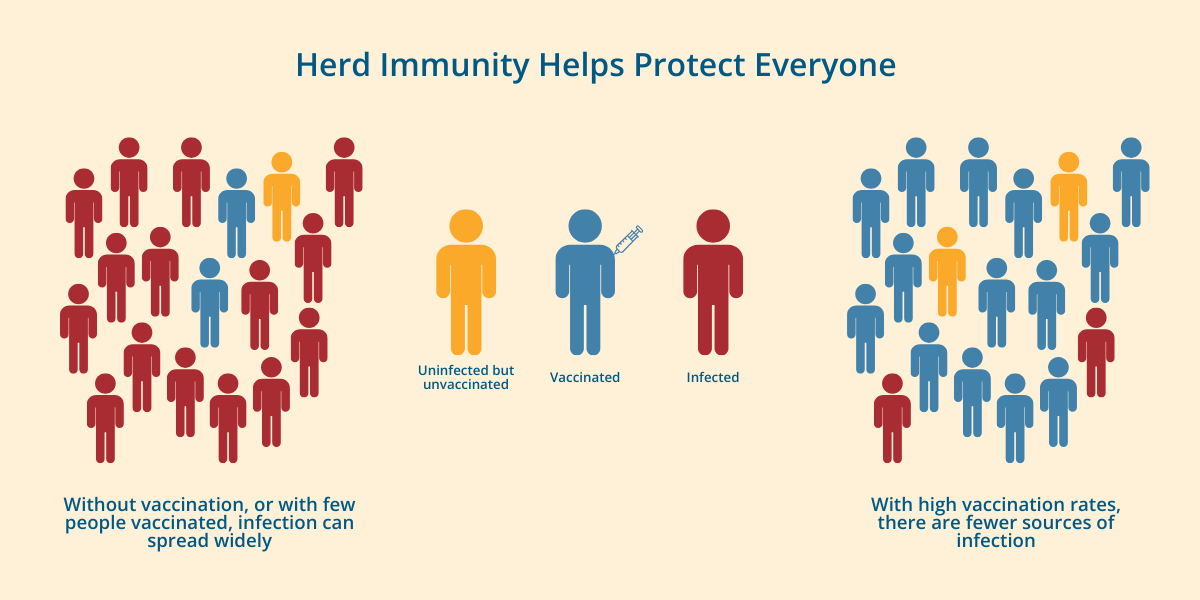
This is good news. Moving to a single dose of the HPV vaccine could help increase vaccine uptake. It will eliminate some of the barriers, like transportation and time off from work, that prevent some people from returning for additional doses. It will also make large-scale vaccination efforts easier and more affordable, especially in low resource countries.
But the American Academy of Pediatrics (AAP) has not changed its recommendations. AAP is the membership group for pediatricians. Experts are worried this may cause some confusion. Many doctors look to AAP for guidance when deciding what they will do in their own practice.
Experts are also concerned because HHS made this change behind closed doors. Normally changes to vaccine schedules and doses are made by an advisory committee. And the public is usually able to comment before the CDC makes a final decision.
In addition, some of the other changes to the vaccine schedule announced at the same time were not based on science. Experts suggest that parents turn to their pediatrician for advice on which vaccines (and how many doses) will keep their children safe.