Is There An Outbreak of Sexually Transmitted Diarrhea?
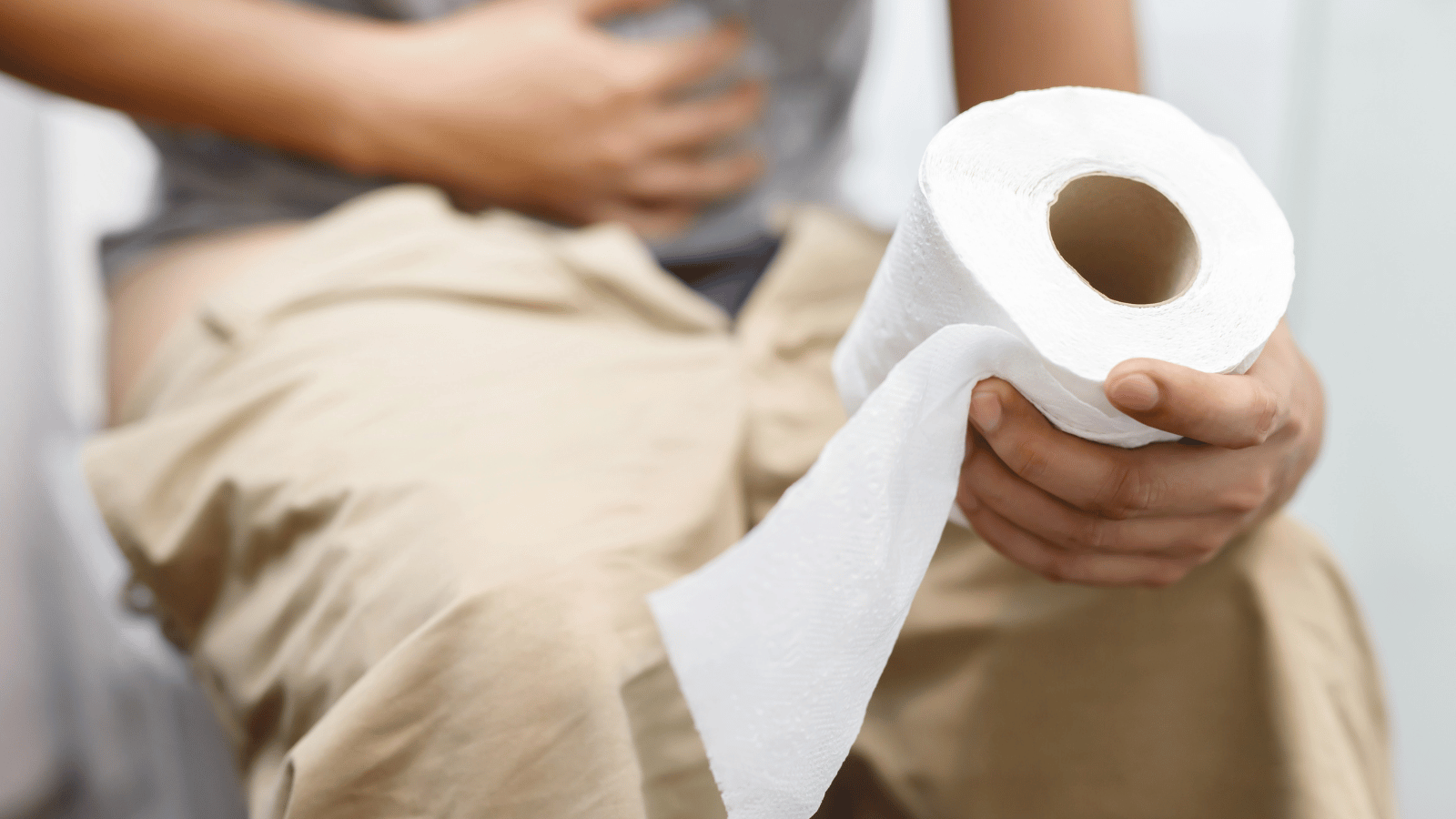
If recent headlines about sexually transmitted diarrhea have made you curious, a little grossed out, or worried about getting sick, you’re not alone. There has been a lot of talk lately about Shigella, a type of bacteria that can cause diarrhea and other stomach problems.
Shigellosis is an intestinal infection caused by Shigella bacteria. It’s still most common in children under age 5 (who aren’t known for their handwashing skills), but cases have also been rising among adults, including travelers and men who have sex with men.
Some types of Shigella are also harder to treat than they once were because antibiotics are becoming less effective against them.
Here’s what you need to know about how it spreads, how it’s treated, and how to protect yourself.
What is Shigella?
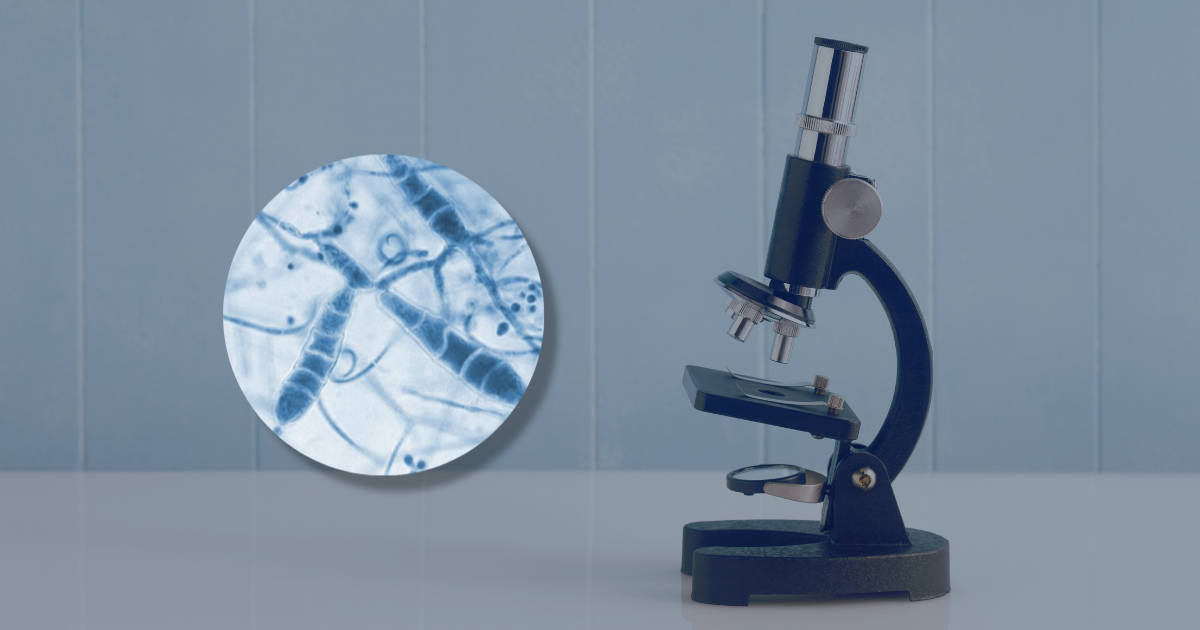
Shigella is a group of bacteria that infect the intestines. There are four main types, but Shigella sonnei is the most common in the United States.
According to the Centers for Disease Control and Prevention (CDC), Shigella causes about 450,000 infections in the United States each year, but many of those never get reported because people don’t find out why they had symptoms.
News coverage may make it seem like the United States is experiencing a major outbreak, but the number of cases reported so far this year (14,500) is actually slightly lower than what was reported by October of last year (just over 15,000 cases).
How does Shigella spread?
Shigella bacteria are found in stool (poop). The infection is spread through contact with even tiny amounts of poop.
It can be spread by touching somebody’s hand or a surface that they recently touched like a faucet or a doorknob. Or it can be spread through food or water contaminated with the bacteria.
Shigella is also spread through sex, particularly anal sex, mouth-to-anus oral sex (sometimes called rimming), or other kinds of butt play.
What are the symptoms?
Shigella has received attention on social media because of one especially unpleasant symptom: diarrhea that may be watery or contain blood.
Other common symptoms include:
- Fever
- Stomach pain
- Tiredness
- Dehydration (which happens when your body loses more fluids than it takes in)
- Vomiting
Symptoms usually begin 1 to 4 days after infection. Most people recover within 5 to 7 days, but symptoms can last 4 weeks or longer. Children, older adults, and people living with HIV may be more likely to have severe or long-lasting illness.
Even after symptoms go away, Shigella bacteria may remain in a person’s stool for up to 2 weeks. This means the infection may still spread after someone starts feeling better.
Some people with Shigella have no symptoms but can still spread the bacteria.
How is Shigella treated?
A health care provider can test a stool sample to find out whether you have a Shigella infection.
Most people recover without antibiotics. Drinking plenty of fluids, replacing lost electrolytes, and getting rest can help you recover. (You can replace electrolytes with drinks like Gatorade or Pedialyte.)
Avoid taking anti-diarrhea medicines (like Immodium or Pepto-Bismol) unless your health care provider suggests you use them. These medicines may make some Shigella infections worse.
For severe infections, a health care provider may prescribe antibiotics.
Is Shigella becoming resistant to antibiotics?
Unfortunately, some types of Shigella are becoming harder to treat because the bacteria have developed antibiotic resistance. Bacteria are constantly evolving so that they can survive. The more we use particular antibiotics against them, the more they change to avoid the medications. Eventually, some antibiotics don’t work as well, and others might not work at all.
Antibiotic-resistant bacteria are becoming more common. In 2011, about 3% of Shigella infections showed some resistance to the antibiotic azithromycin. By 2017, that number had risen to 24%.
Health care providers may order lab tests to find out which antibiotics are most likely to work against a specific infection.
How can you avoid Shigella?
You can lower your risk by taking a few simple precautions:
- Wash your hands: Use soap and water after using the bathroom, changing diapers, or cleaning up stool.
- Take care with food and water: When traveling, avoid food or water that may be contaminated.
- Be careful when swimming: Avoid swallowing water from lakes, rivers, pools, or other swimming areas.
- Wait before having sex after an infection: If you or your partner has had shigellosis, avoid sex until at least 2 weeks after the diarrhea has stopped.
How can you make anal sex safer?
You don’t have to give up anal sex to protect yourself and your partner(s). A few precautions can help lower the risk of spreading bacteria:
- Shower before butt play: Shigella can spread from trace amounts of poop. Washing your anus before sex can help prevent this.
- Wash sex toys: Clean toys after use and before sharing them with another person.
- Use condoms: Condoms can help reduce contact with bodily fluids and germs. Use a new condom when switching from anal to vaginal sex or oral sex.
- Use dental dams: A dental dam is a small square of latex that you can hold over the anus when performing oral-anal sex. It can prevent bacteria from spreading.
These steps can help lower your chance of infection, but they cannot prevent every case. Knowing how Shigella spreads and how to treat it can help you make informed choices about your sexual health.