CDC Offers Guidance on Sexually Transmitted Ringworm (TMVII)

Diagnosing TMVII

Ringworm is a fungal infection that causes a ring-shape rash that is often red, itchy, and scaly at the center. Rashes can appear anywhere on the skin, but often occur on the scalp, feet, or groin area. Ringworm is not a worm. It’s caused by a specific type of fungi called dermophytes that are spread through skin-to-skin contact or contact with some objects like clothing or sheets.

Ringworm isn’t usually considered sexually transmitted. Since 2024, however, there’s a new type circulating in the United States caused by Trichophyton mentagrophytes type VII (TMVII).

TMVII causes round rashes on the arms, buttocks, trunk, genitals, and legs. It is spread the same way as other ringworm infections. Unlike other types of ringworm, however, this one is primarily associated with sexual activity. So far most cases have been in men who have sex with men.

The largest cluster of cases has been in Minnesota. Public health experts in that state thanked clinicians for recognizing infections early and calling the health department immediately. TMVII is often mistaken for sexually transmitted infections (STIs) or other skin conditions like eczema.

Guidance on Diagnosis of TMVII

Now, the Centers for Disease Control and Prevention (CDC) is asking clinicians across the country to pay close attention to possible infections. In a letter to clinicians, the CDC says that health care providers should consider TMVII as a possible diagnosis when patients have lesions on or near the genitals, groin, buttocks, or perineum (the area between the genitals and the anus). They should also consider it when patients have lesions on their face, beard, or in other places with hair.

The letter suggests that clinicians take a detailed history to help them diagnose TMVII including asking questions about sexual exposure, recent travel, and whether they’ve used any over-the-counter creams or ointments. The letter also explains the preferred diagnostic tests and the best treatment regimen. It suggests that if a clinician strongly suspect TMVII, they start treatment with an oral antifungal drug right away and continue to follow up. Treatment can take 6–12 weeks or longer before the lesions have fully resolved.

Clinicians should contact their health department for help with testing, reporting, and clinical management if needed. If a health department suspects an outbreak, they should reach out to the CDC directly via email. They can also get help with testing and treatment issues from the CDC via email.

How to Prevent TMVII

These recommendations are for clinicians, but there are things we can all do to stop the spread of TMVII. If you have a rash, consider it very contagious. Seek treatment as soon as possible and avoid skin-to-skin contact, including sex while lesions are present. It also a good idea to avoid personal items such as towels, bedding, clothing, razors, or sex toys.


More on STIs

A provider talks to a patient

Chlamydia: A Common and Curable Infection

Chlamydia is the most common reported bacterial STI in the U.S. It is most common in younger people—it is estimated that 1 in 20 sexually active young women aged 14-24 years has chlamydia.
Gonorrhea

Learn About Gonorrhea and How to Prevent It

Gonorrhea (also known as “the clap”) is an infection caused by the bacteria Neisseria gonorrhoeae. It is passed on during vaginal, anal, and oral sex (performing or receiving).
A male patient talks to a health care provider

Learn about STIs

If you’re sexually active, getting tested for STIs is an important part of staying healthy. ANYONE who has any kind of sex with a partner can get an STI.
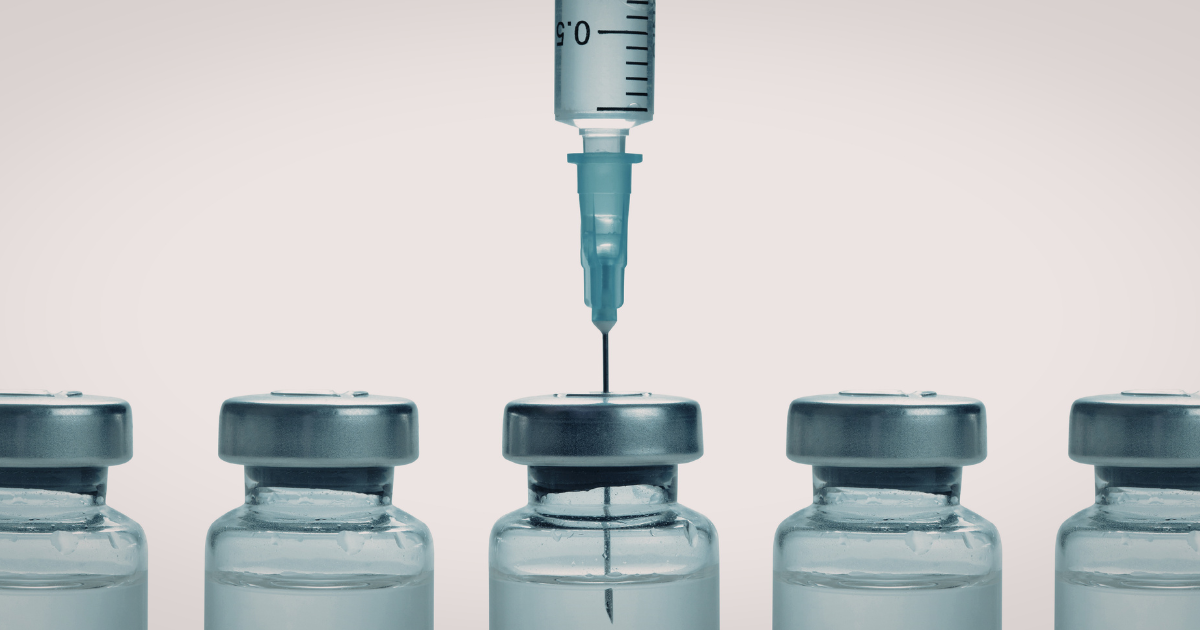
A series of vaccine vials with vaccines to prevent STIs

Survey Says…Not Enough People are Aware of Vaccines to Prevent STIs

While most adults know the most common STIs, there’s still confusion about lesser-known infections, vaccines to prevent STIs, and whether sitting on a toilet seat is risky (it’s not).
Doctor showing something to a patient

Fast facts about HSV (Herpes Simplex Virus)

Herpes is a very common viral infection caused by herpes simplex virus (HSV). I can cause sores on the mouth or face or in the genital area. Herpes cannot be cured, but it can be treated.
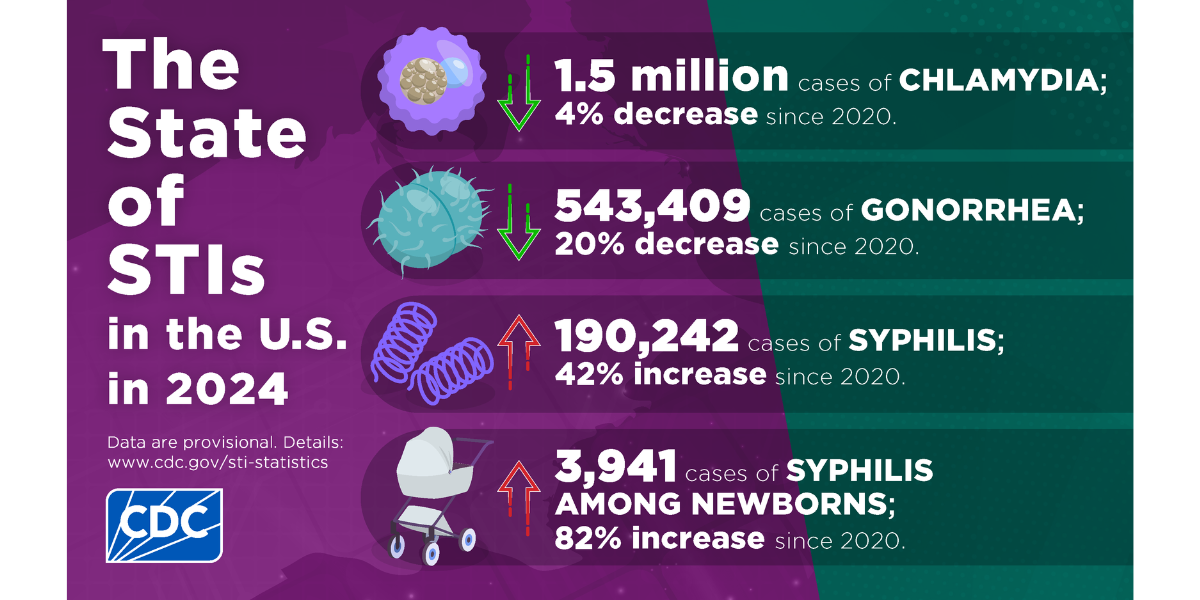
The State of STIs 2024

Latest Data Shows that Chlamydia, Gonorrhea, and Syphilis Rates are Dropping

The CDC just released STI Surveillance Data for 2024 that show cases of chlamydia, gonorrhea, and syphilis are slowly declining.
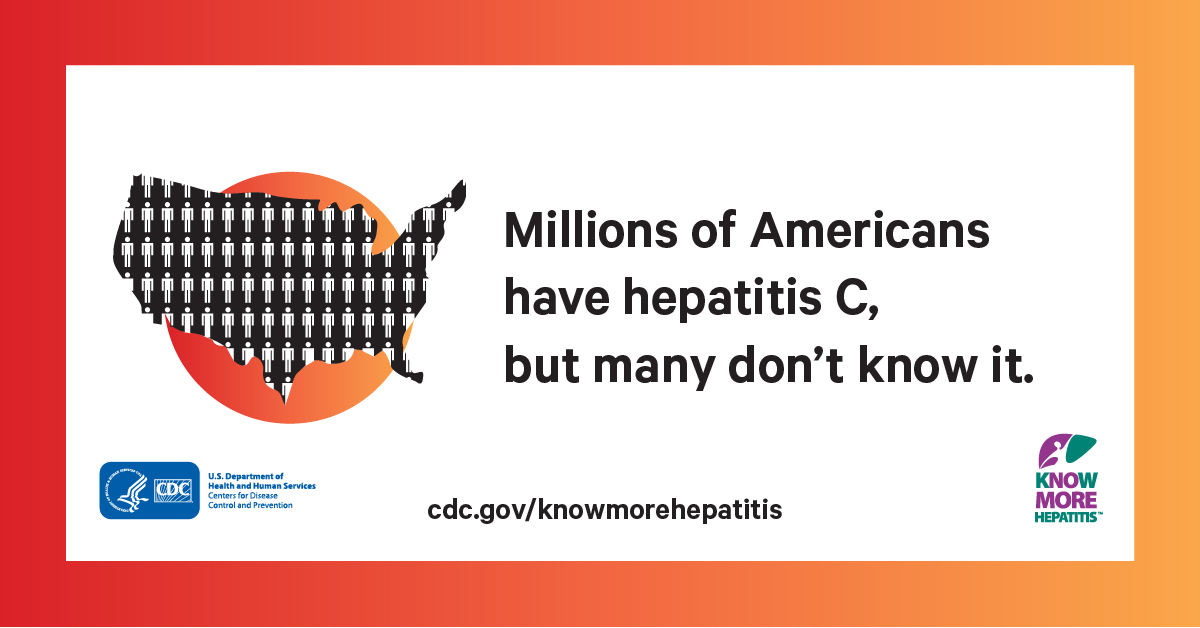
Hepatitis C

The 5 Main Types of Hepatitis (including 2 you can vaccinated against)

Hepatitis is an inflammation of the liver that can be caused by a group of viruses—hepatitis A, B, C, D and E. When hepatitis viruses damage liver cells, scar tissue is formed and those cells can no longer function.
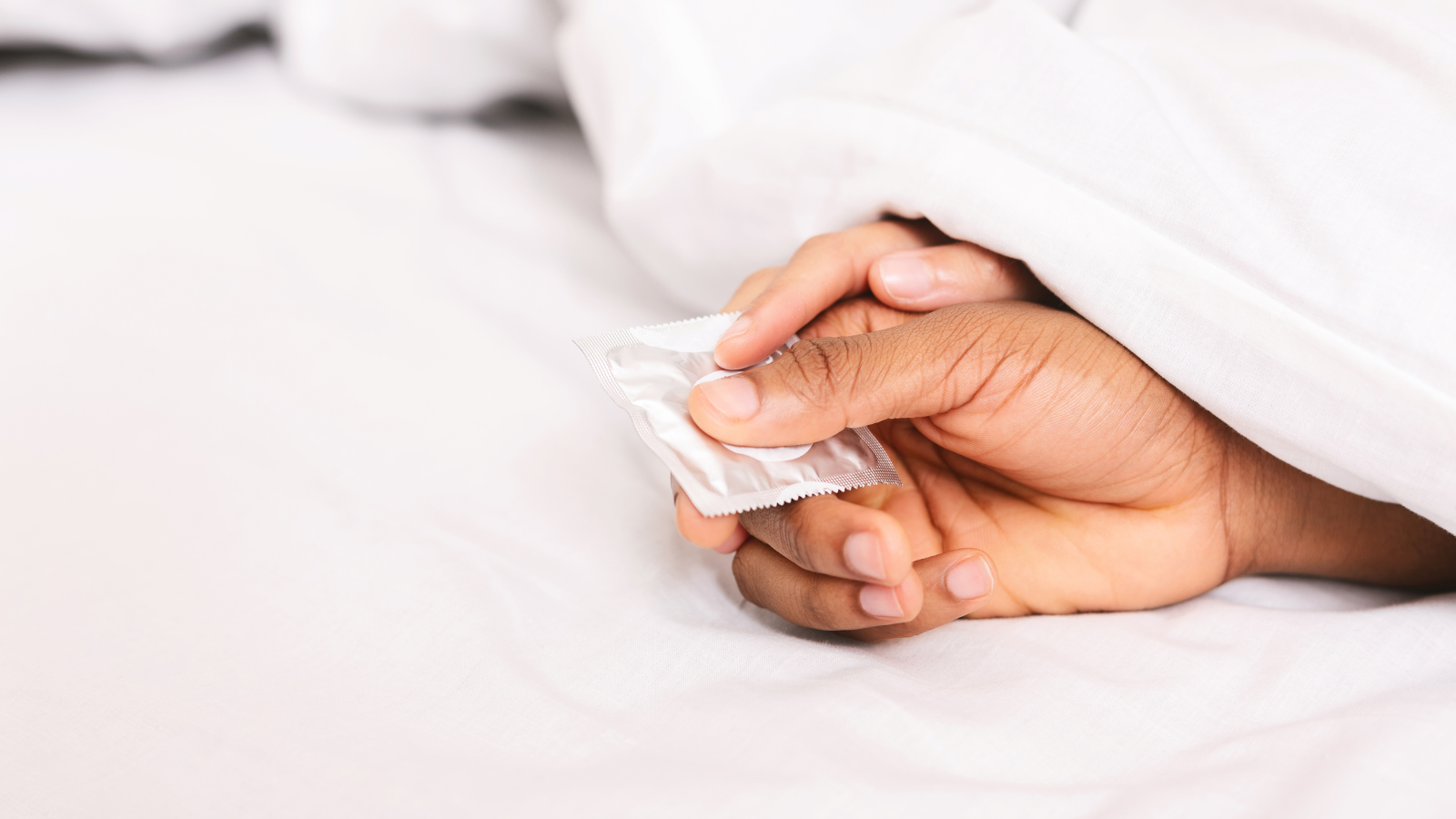
A couple holds a condom

Your Safer Sex Toolbox

Explore ways to make sex safer and communicate with your sexual partners about your expectations and boundaries.
J. Dennis Fortenberry

Talking Birds and Bees in the 21st Century

Why are STI rates so high among young people? For insight we chatted with Dr. J. Dennis Fortenberry, a Professor in the Department of Pediatrics at the Indiana University School of Medicine.
Sexually transmitted infections

STDs A to Z

Sexually transmitted infections, or STIs—also called sexually transmitted diseases, or STDs—affect people of all ages, backgrounds, and from all walks of life. In the U.S. alone there are about 20 million new cases of STIs each year.
Ask the experts

Ask the Experts

Ask the Experts was an ASHA program where experts answered STI-related questions from the public. You can now access a searchable archive of the thousands of questions answered by our experts.
Three butt plugs used for anal play or anal sex

Anal Sex and STIs

Anal sex may have once been thought of more taboo than other sexual behaviors, but today we know it’s a perfectly normal way to find sexual pleasure.
A prescription bag

Are Patients Not Following Through with STI Treatment?

About 1.6 million cases of chlamydia and 600,000 cases of gonorrhea are diagnosed in the United Sates each year. A new study suggests that these patients may not be following through with STI treatment or getting the right antibiotics.
Research on new antibiotic for gonorrhea

A Possible New Treatment for Gonorrhea is on the Horizon

A clinical trial of a new antibiotic found that it works just as well as a current drug regimen for treating gonorrhea infections. This is important because the bacteria that causes gonorrhea has become resistant to most existing antibiotics.
Swab test for chlamydia, gonorrhea, and trich

FDA Approves a New At-Home Test for Three Common STIs

The FDA just approved a new, fully at-home test for chlamydia, gonorrhea, and trichomoniasis. The tests, which is only for women, will be available without a prescription. Users can collect their own sample and have results in less than 30 minutes.
A home test kit

Young People Say They Prefer At-Home STI Testing

A study revealed that the majority of young people would prefer testing for STIs at home over going to a doctor’s office or clinic.
Free HIV and STI Testing

What You Should Know About STI Testing

Many STIs have no signs or symptoms. The only way to know if you have an STI is to get tested. Learn more about all your STI testing options.
An image of HPV

Human Papillomavirus (HPV)

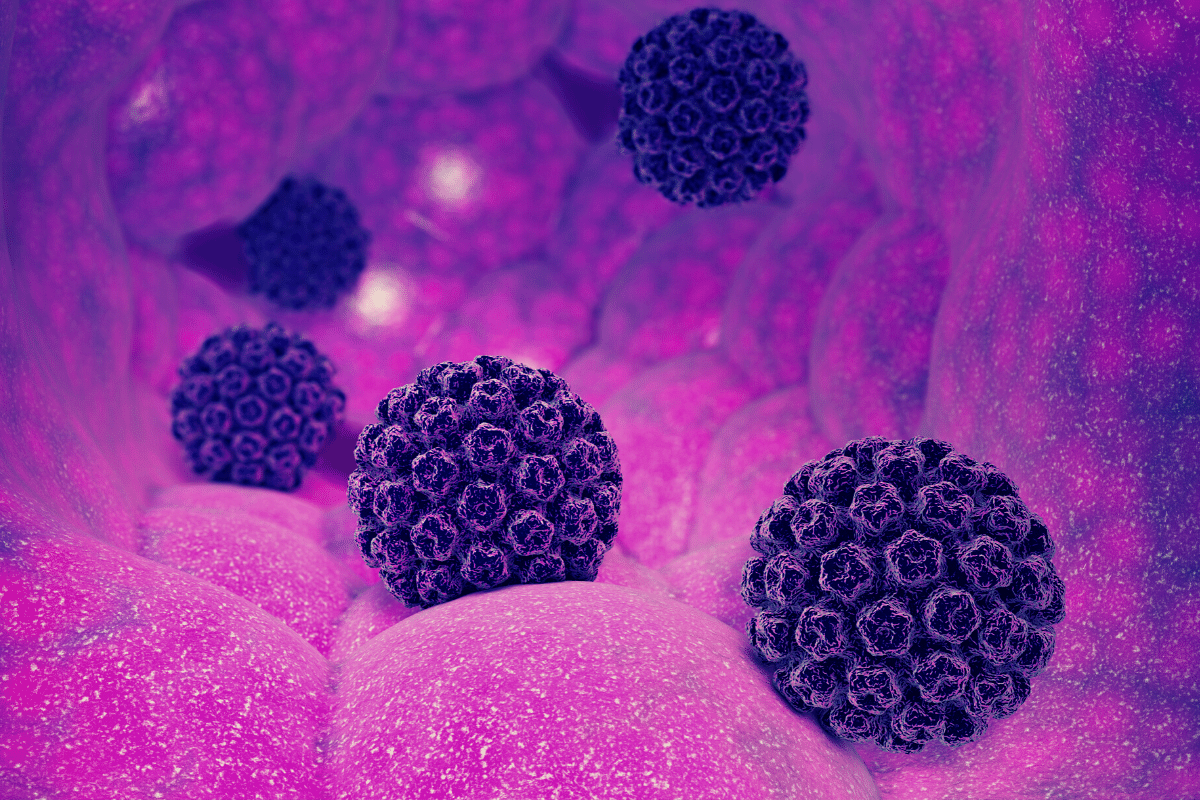
Human papillomavirus, or HPV, is very common. Some types of HPV can cause genital warts and other types can cause cancer, including cancer of the cervix, vulva, vagina, penis or anus, as well as cancer in the back of the throat.
A person with lesions on their abdomen from scabies

Scabies

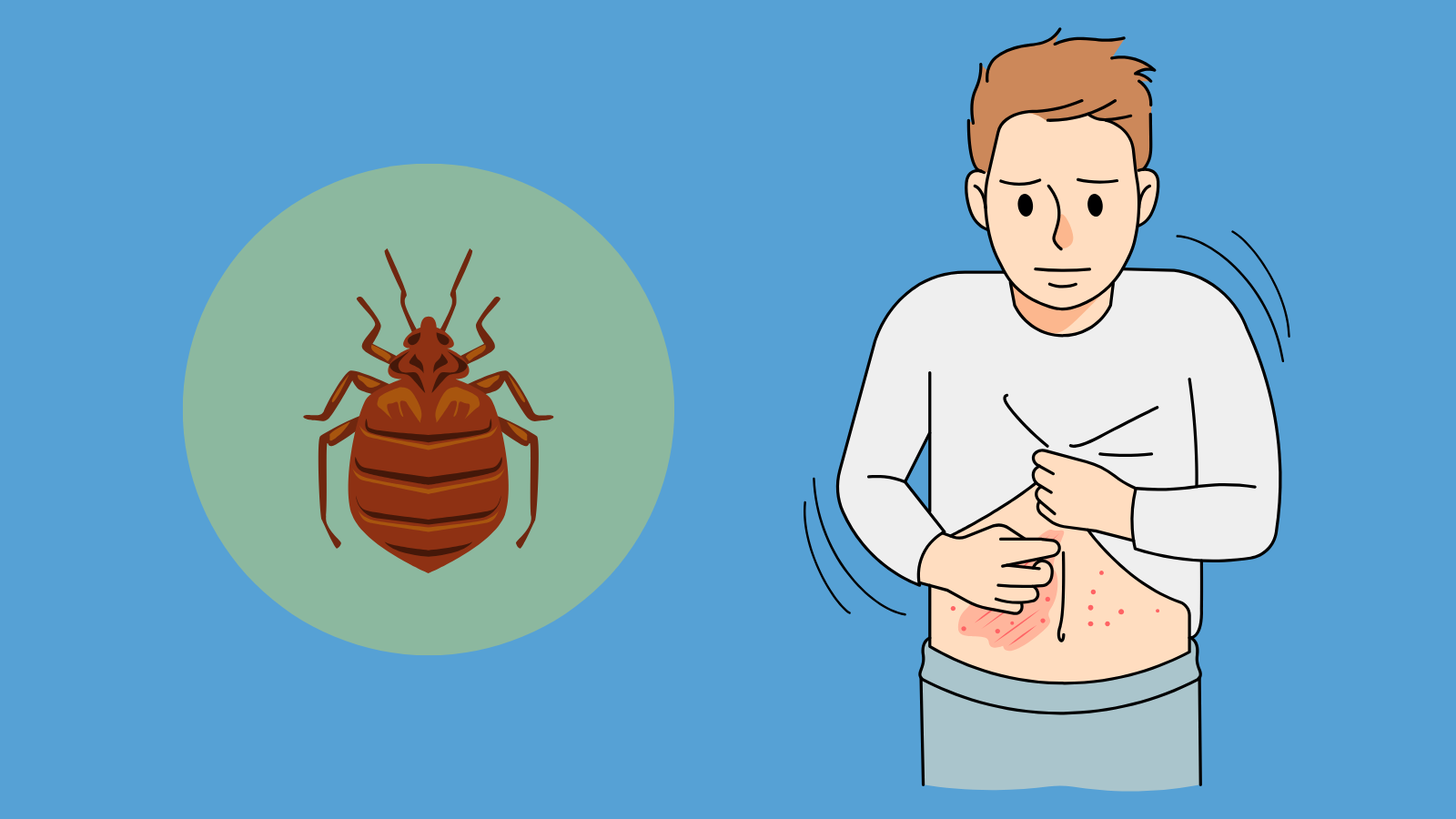
Scabies is an infestation of the top layer of skin caused by the parasite. Scabies are passed on through close physical contact. Transmission is more likely when partners spend the night together than during a brief sexual encounter.
A sample is viewed under a microscope

Molluscum Contagiosum

Molluscum contagiosum is a skin disease caused by the molluscum contagiosum virus (MCV) Once a disease primarily of children, molluscum has evolved to become a sexually transmitted infection in adults.