Doxy PEP Becoming Less Effective Against Gonorrhea
But Still Highly Effective Against Chlamydia and Syphilis
A new study of more than 26,000 transgender women and men who have sex with men found that doxy PEP continued to provide strong protection against chlamydia and syphilis. Its ability to prevent gonorrhea, however, has rapidly declined. Researchers believe that growing antibiotic resistance may be one reason why.
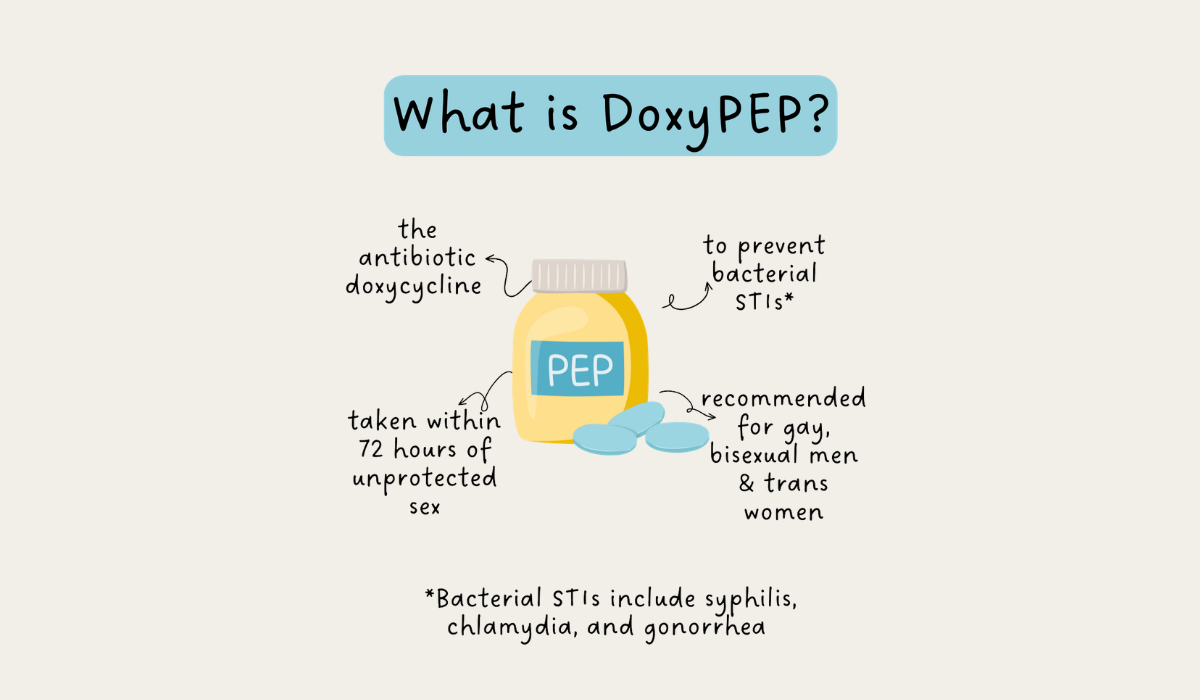
What is Doxy PEP?
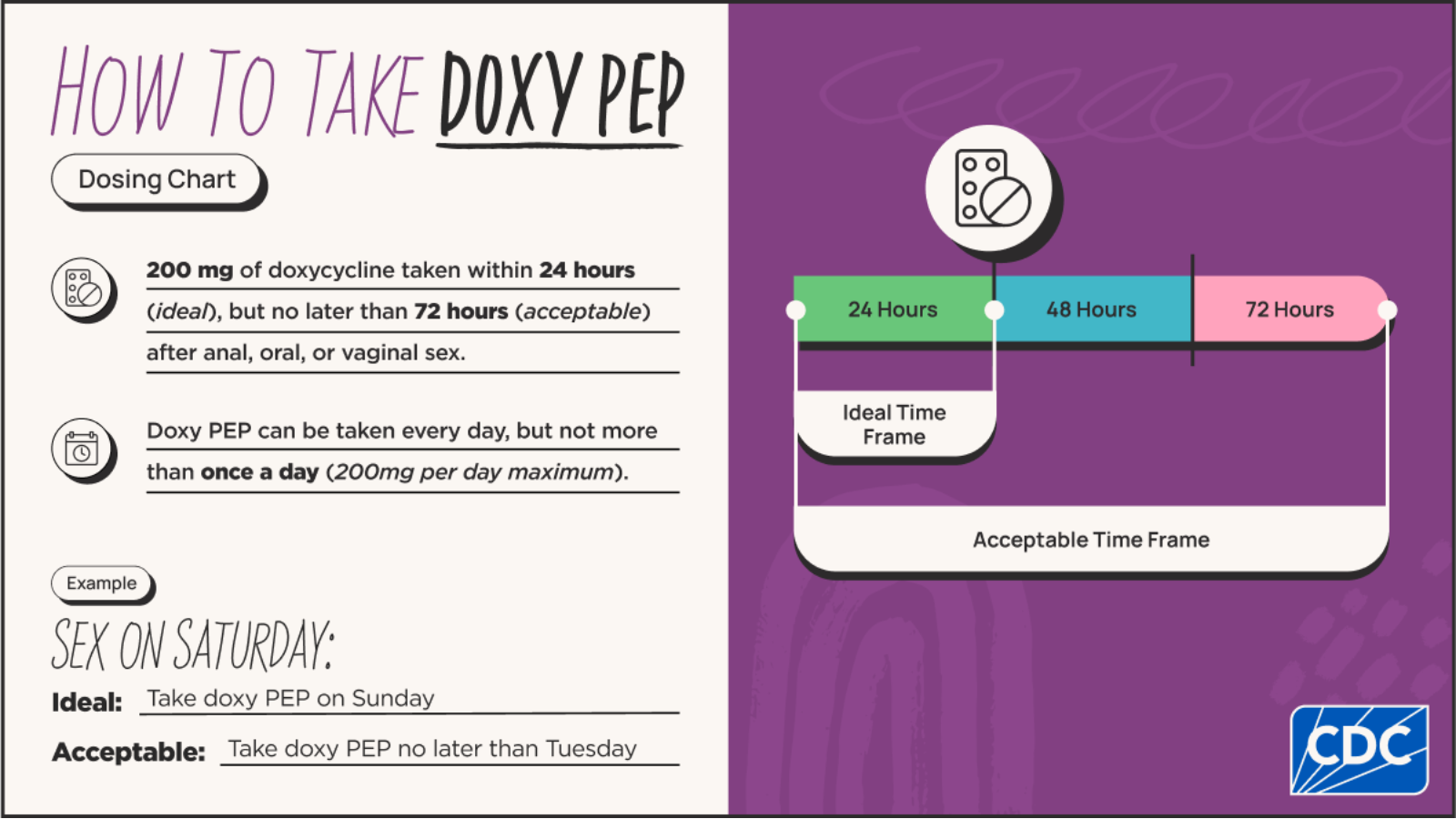
Doxy PEP (doxycycline post-exposure prophylaxis) is a strategy to prevent sexually transmitted infections (STIs) that involves taking a dose of the antibiotic doxycycline after having condomless oral or anal sex.
Doxy PEP is meant for adult men who have sex with men (MSM) and transgender women who have sex with men. It is recommended for those who may be more likely to be exposed to bacterial STIs, including individuals who have had an STI in the last year. (Doxy PEP has not been shown to be effective in cisgender women who have penis-in-vagina sex.)
The CDC began recommending doxy PEP in 2024 based in part on studies done in California where the strategy had been adopted earlier. These studies showed that doxy PEP can reduce the likelihood of getting syphilis and chlamydia by about 80% and of gonorrhea by about 50%.
What is antibiotic resistance?
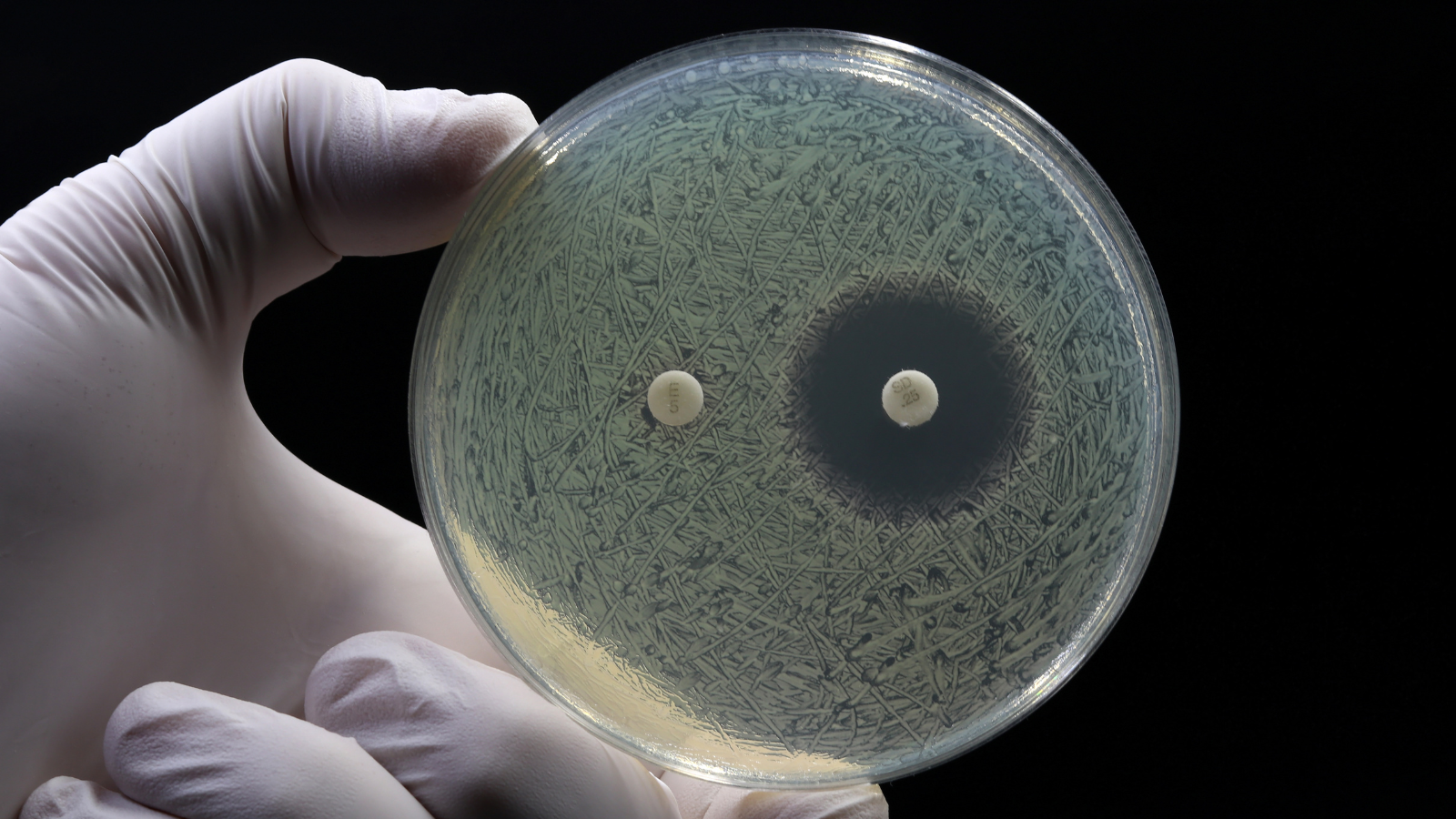
Bacteria are constantly evolving. Over time, some develop the ability to fight off antibiotics that used to work against them. This is called antibiotic resistance.
The bacteria that cause gonorrhea infections are resistant to a lot of different antibiotics. In fact, it developed resistance to tetracyclines (a type of antibiotic) like doxycycline in the 1980s. Drug-resistant versions of gonorrhea can be passed from person to person. It can be harder to treat an infection caused by a drug-resistant version because some antibiotics won’t work.
Experts believe that tetracycline-resistance is one of the reasons that doxy PEP has never been as effective against gonorrhea as it is against syphilis and chlamydia. Some experts are worried that increased use of doxy PEP could make antibiotic resistance worse.
A New Study on Doxy PEP Effectiveness
To better understand how well doxy PEP is working in the real world, researchers looked at the medical records of more than 26,000 MSM and transgender women in Southern California between 2023 and 2025. The people in the study were either living with HIV or taking PrEP (pre-exposure prophylaxis) to prevent HIV.
The researchers compared STI test results among people who had taken doxy PEP with those who had not. They found that doxy PEP was about 67% effective against chlamydia and 61% effective against syphilis. This stayed consistent throughout the study period. Doxy PEP was about 42% effective against gonorrhea early in the study period but went down rapidly once it was made more widely available in California.
The researchers also found a rapid rise in the proportion of gonorrhea cases caused by a specific, tetracycline-resistant bacteria. Their analysis found that doxy PEP was less effective when more antibiotic-resistant gonorrhea was circulating and more effective when other types of gonorrhea were more common.
Key Takeaways from the Study
Doxy PEP remains an effective way to prevent chlamydia and syphilis. However, this study suggests that as doxy PEP becomes more widely used, antibiotic-resistant strains of gonorrhea may become more common which would then reduce doxy PEP’s ability to prevent the infection.
The researchers say that these findings highlight the need to continue monitoring antibiotic resistance. They also suggest that recommendations for using doxy PEP to prevent gonorrhea may need to change at some point.
Because doxy PEP is still a relatively new prevention strategy, understanding its effectiveness and the relationship between doxy PEP use and antibiotic resistance is important. Studies like this can help public health officials decide how it should be used in the future.
Learn More About Doxy PEP