What You Should Know About STI Testing
Many STIs have no signs or symptoms. The only way to know if you have an STI is to get tested. Learn more about all your STI testing options.

Many STIs have no signs or symptoms. The only way to know if you have an STI is to get tested. Learn more about all your STI testing options.
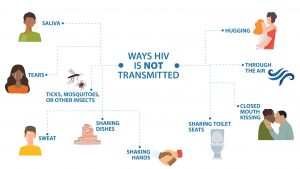
HIV stands for Human Immunodeficiency Virus. Learn the basics about HIV prevention, testing, and treatment.
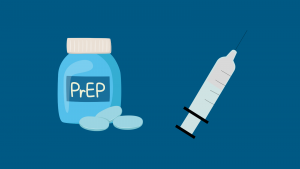
PrEP stands for pre-exposure prophylaxis. The word prophylaxis means to prevent or control the spread of an infection or disease. The goal of PrEP is to prevent HIV infection from taking hold if you are exposed to the virus.

Life continues after becoming HIV positive. Thanks to new treatments, many people with HIV are living long, healthy lives.
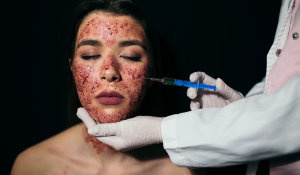
A joint investigation by the CDC and the New Mexico Health Department has confirmed that an unlicensed medi-spa is responsible for at least three cases of HIV.
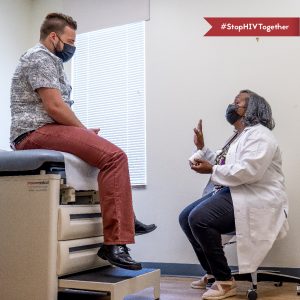
A new meta-analysis of eight published studies found that the risk of sexual transmission of HIV is almost zero in people with low viral loads.
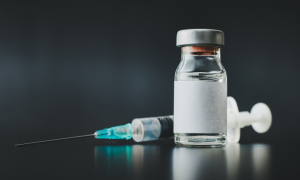
The USPSTF recently released updated recommendations on Pre-Exposure Prophylaxis for preventing the sexual transmission of HIV. The recommendations add additional medications, including a long-acting injectable.
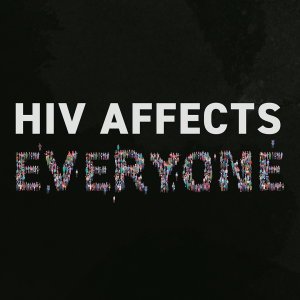
Anytime is the right time to promote HIV prevention and advocacy and there are specific observations recognized throughout the year when it’s especially good to be involved.

We need to know if we can keep you company during this visit. We are useful for making this site work.