Cervical Cancer Screening Rates Haven’t Rebounded After the Pandemic

The pandemic interrupted our regularly scheduled doctor’s visits and pushed off preventative care like Pap tests.
Did Dick Do It? The Latest on Males and Bacterial Vaginosis
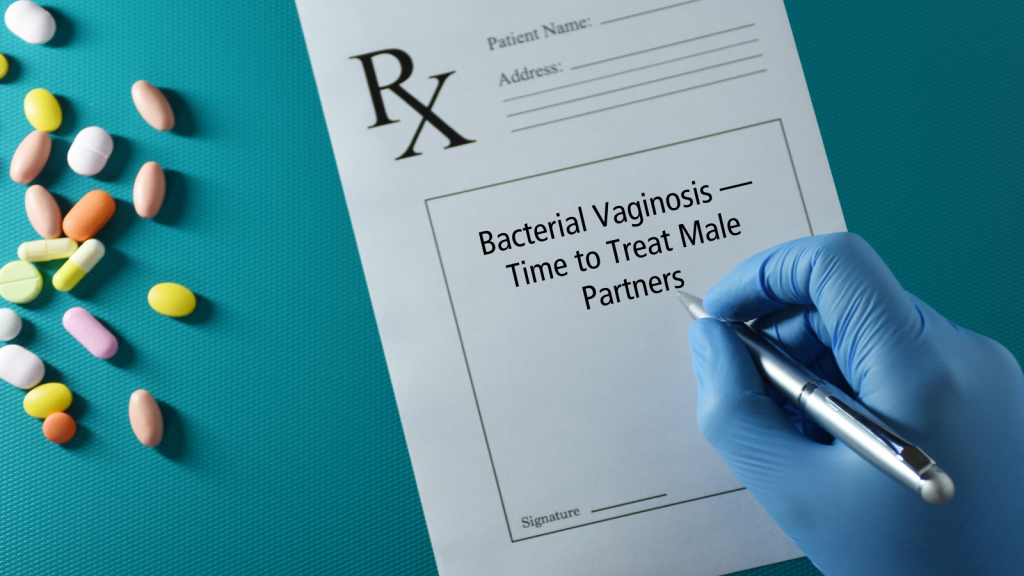
A new study suggests a key to preventing recurrences of bacterial vaginosis (BV) in women might be to treat their male partners.
STI Rates Surge in the European Union
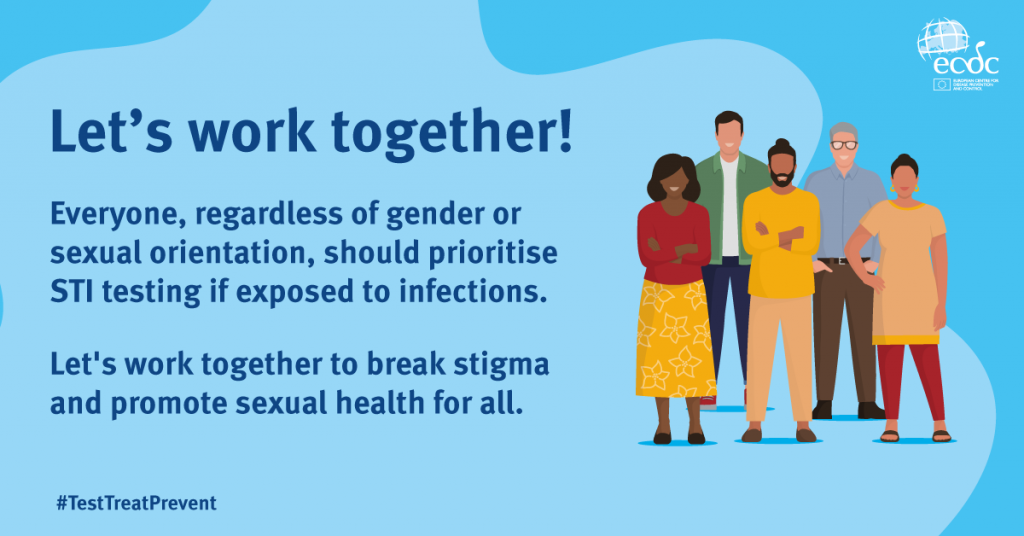
A report published by the European Centre for Disease Prevention and Control (ECDC) shows a striking rise in STIs across the Atlantic.
New Study Shows a Dramatic Drop in Cervical Pre-Cancers
A new study has found a dramatic drop in the rates of cervical pre-cancers among young adult women. This is great news and further proof that the HPV vaccine is working.
Questions and Concerns about Long-Acting Reversible Contraception
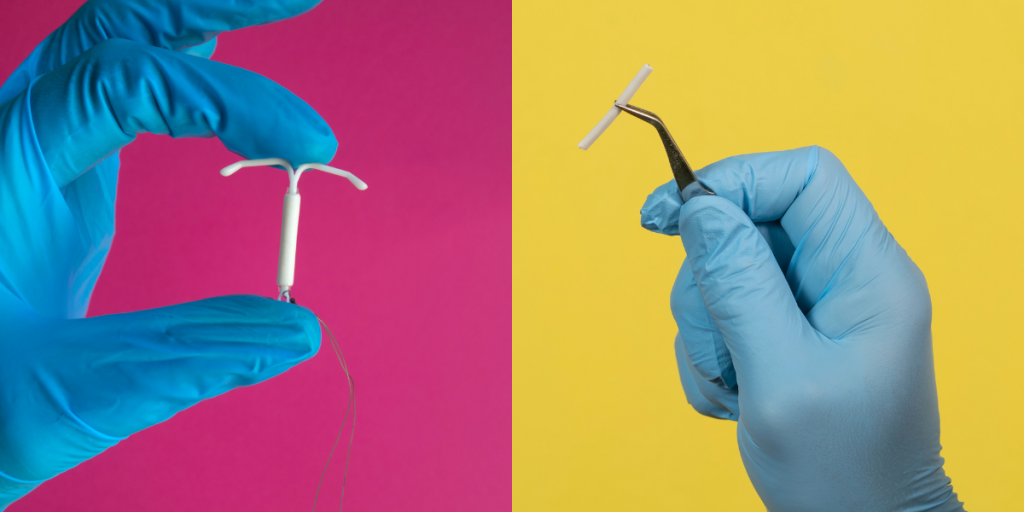
LARC methods are safe, reliable, and prevent pregnancy for years. For many people they are a great choice, but everyone has personal preferences for what fits in to their lifestyle and health profile.
There’s A New Non-Hormonal IUD On the Market
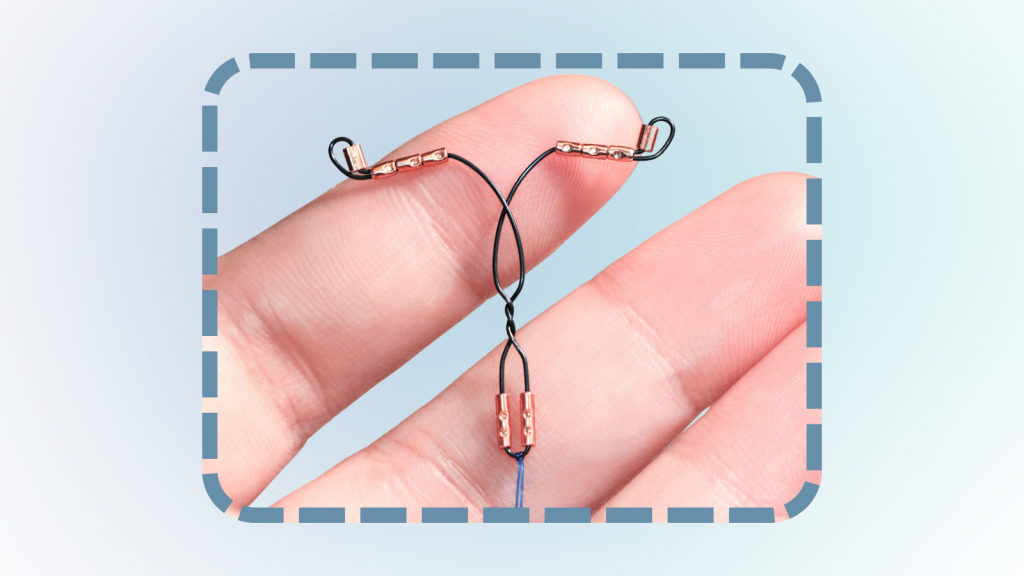
The FDA recently approved another copper-IUD. The device, called Miudella, is more flexible and uses less copper than the Copper-T which has been the only non-hormonal IUD on the market for many years.
LGBTQ — What does it stand for?

Understanding what all the letters stand for in LGBTQ might be a bit confusing. Over time, letters are added and removed to represent an increased awareness and acceptance of sexuality and gender.
Sex and Gender — What’s the Difference?
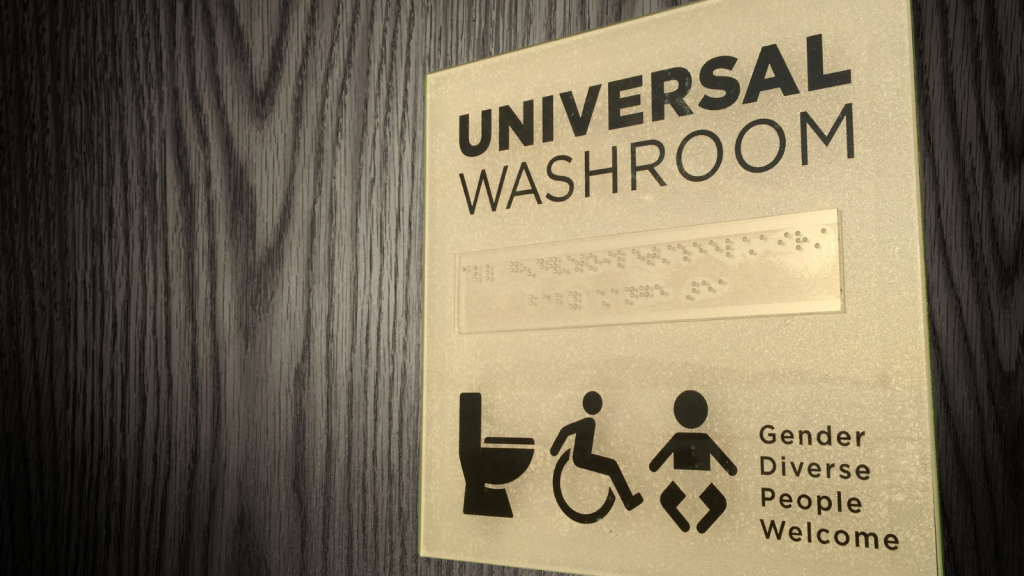
The words sex and gender are sometimes used interchangeably, but they actually mean different things. Sex and gender may seem complicated, but it’s all pretty simple. Neither biological sex nor gender breaks down to just male/female.
ASHA is Your Unbiased, Science-Based Source of Sexual Health Information

ASHA is dedicated to helping people access information about sexual health. We have always been committed to offering accurate information based on science, not ideology.
Fast Facts about HIV
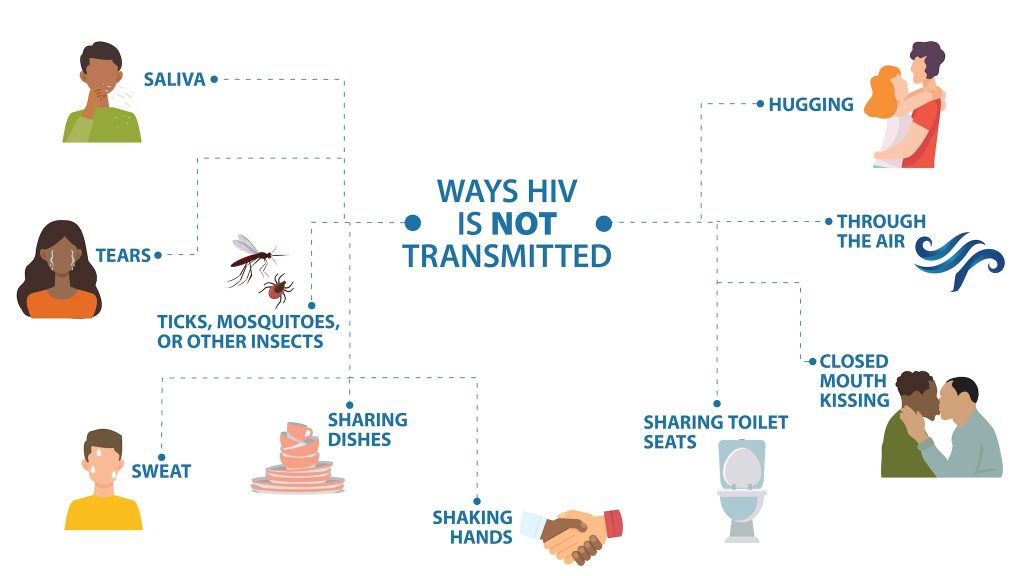
HIV stands for Human Immunodeficiency Virus. Learn the basics about HIV prevention, testing, and treatment.