The Latest Hormonal IUD on the Market

New non-hormonal IUD

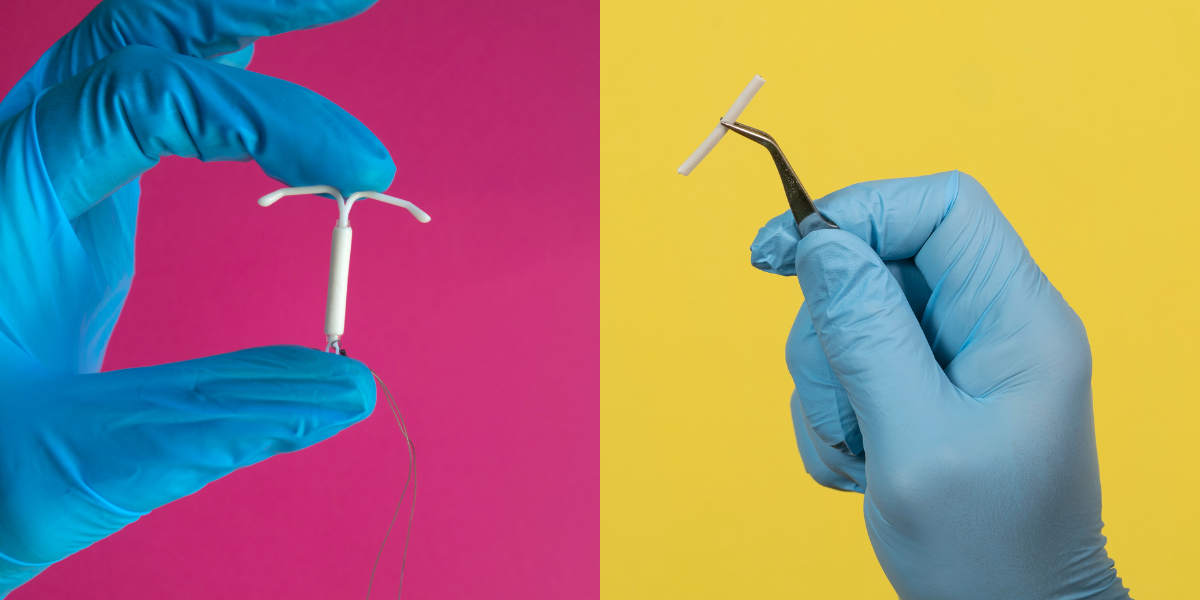
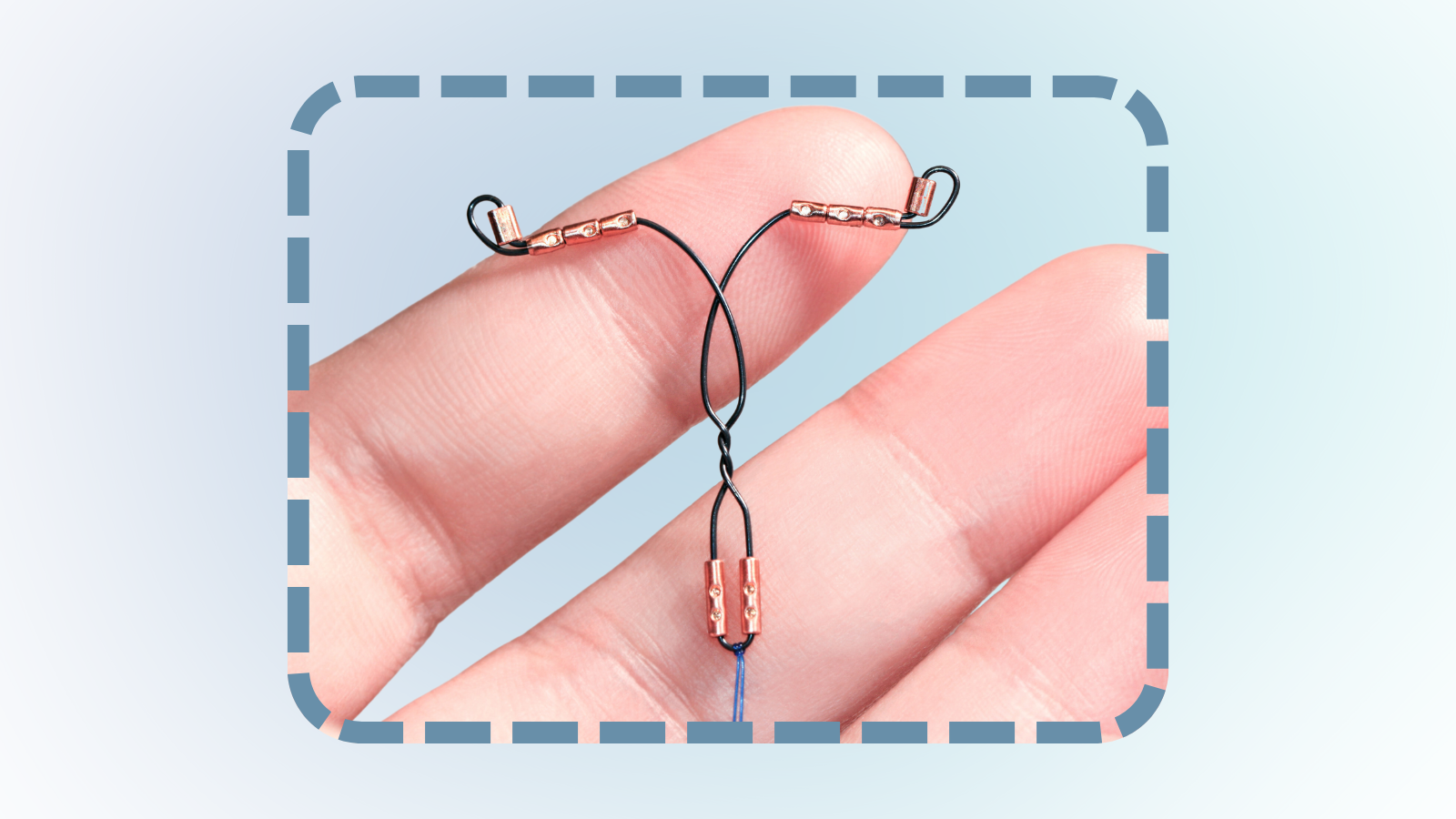
The FDA recently approved another copper-IUD. The device, called Miudella, is more flexible and uses less copper than the Copper-T which has been the only non-hormonal IUD on the market for many years.

An intrauterine device (IUD) is a small T-shaped device that is inserted into the uterus by a health care provider. It works by preventing sperm from reaching and fertilizing an egg.

Some IUDs contain hormones like those in birth control pills that can also prevent ovulation (so there is no egg to be fertilized) and thicken cervical mucus (to make it harder for the sperm to get into the uterus).

There are currently four brands of hormonal IUDs available in the United States. They all work the same way, but some last longer than others. Mirena and Liletta last for eight years, Kyleena lasts for five years, and Skyla last for three. Kyleena and Skyla were designed to be smaller for younger patients who often have smaller uteruses.

Copper IUDs do not contain any hormones. Instead, they rely on copper, which is toxic to sperm. The only copper IUD on the market in the United States for the last several decades has been Paragard, sometimes called the Copper-T. Paragard is made out of plastic and wrapped with copper wire. It works for 10 years.

Miudella is similar, but it is made from a material called nitinol which has been used in medical devices for decades. Nitinol is a flexible alloy that can hold its shape when bent. This should make insertion easier. In addition, Miudella comes already loaded into an inserter. While the person getting an IUD will likely not notice this, it can make the procedure easier for health care providers.

Like all other IUDs, Miudella must be inserted and removed by a healthcare provider. It comes with a string that hangs through the cervix into the vagina to make removal easy. Miudella lasts for three years.

FDA approval was based on three clinical trials that found that Miudella was safe and effective. IUDs are 99% effective. Fewer than one percent of people using an IUD will become pregnant. About 15% of women in the trial had their IUDs removed before the end of the three years which is similar to the rates with other IUDs.

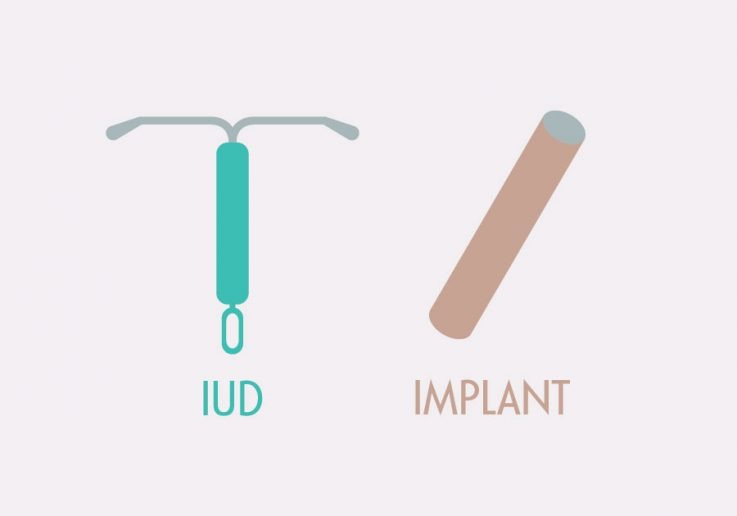
Long-acting reversible contraception (LARC)—like IUDs and the implant—are popular in large part because you can “set them and forget them.” Once inserted, users are protected from pregnancy from multiple years without having to remember to take a pill or change a patch. These methods, however, do not protect against sexually transmitted infections.
Learn More

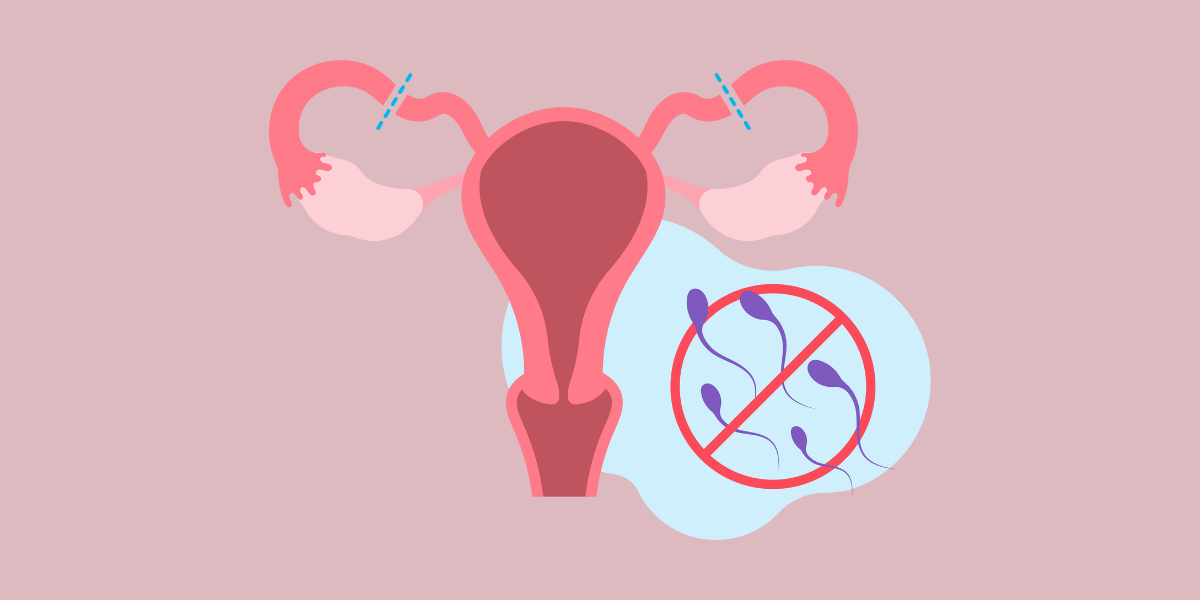
Removing fallopian tubes

ACOG Recommends Removing Fallopian Tubes Instead of Tubal Ligation 

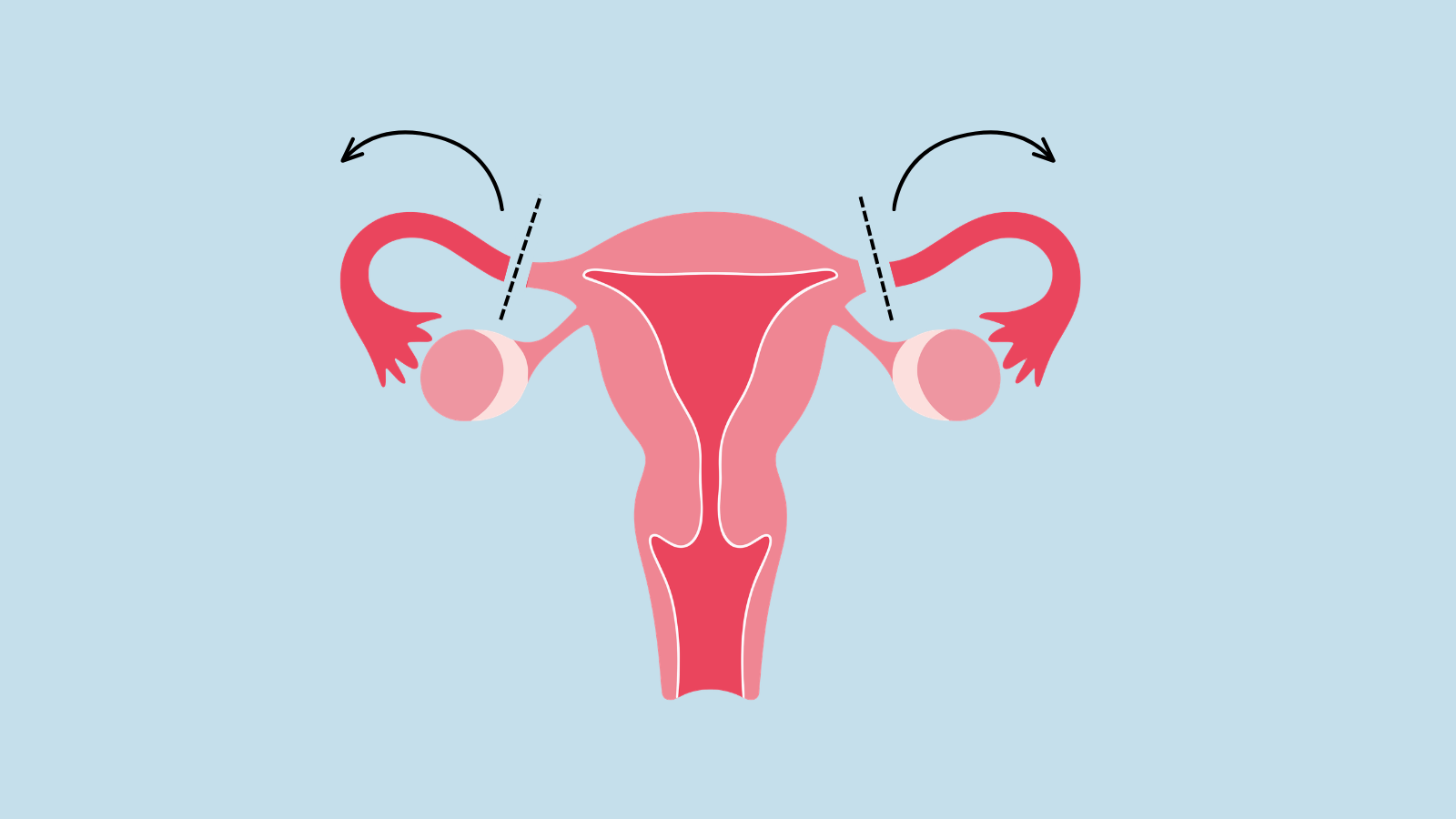
Studies show that removing fallopian tubes can reduce a person’s lifetime risk of ovarian cancer by as much as 78%. Based on this evidence, ACOG issued new guidelines encouraging doctors to remove fallopian tubes in certain situations, including for birth control.
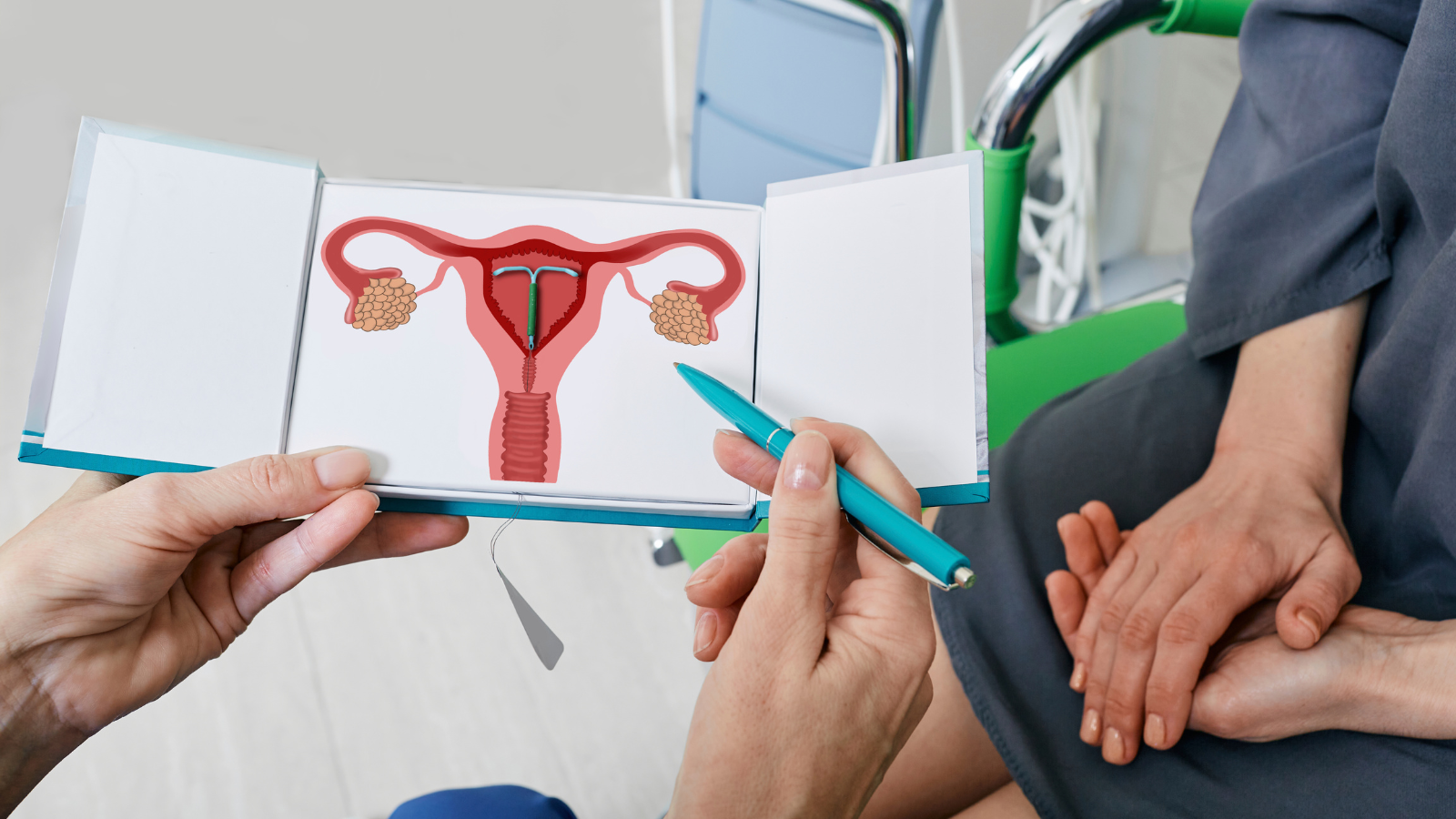
A health care provider explains IUD insertion to a patient

New Recommendations to Make IUD Insertion Less Painful

There is new guidance on pain management for IUD insertion and acknowledgement that providers often underestimate the pain patients feel during their procedures.
An image of a calendar noting ovulation

Behavioral Methods of Contraception

When we talk about contraception, we usual think about things that we can get from our doctors or pharmacists, but the truth is preventing pregnancy can be a simple as changing your behavior.

Non-Hormonal Contraception Options

Non-hormonal contraceptive methods fall into a few categories. These include barrier methods and surgical options.
A woman jogs in place

The Birth Control Pill May Protect Female Athletes from Knee Injuries 

There’s new research to suggest that the birth control pill can protect female athletes from ACL tears which is one of the most common knee injuries. While this may sound far-fetched, the science behind it is very interesting.
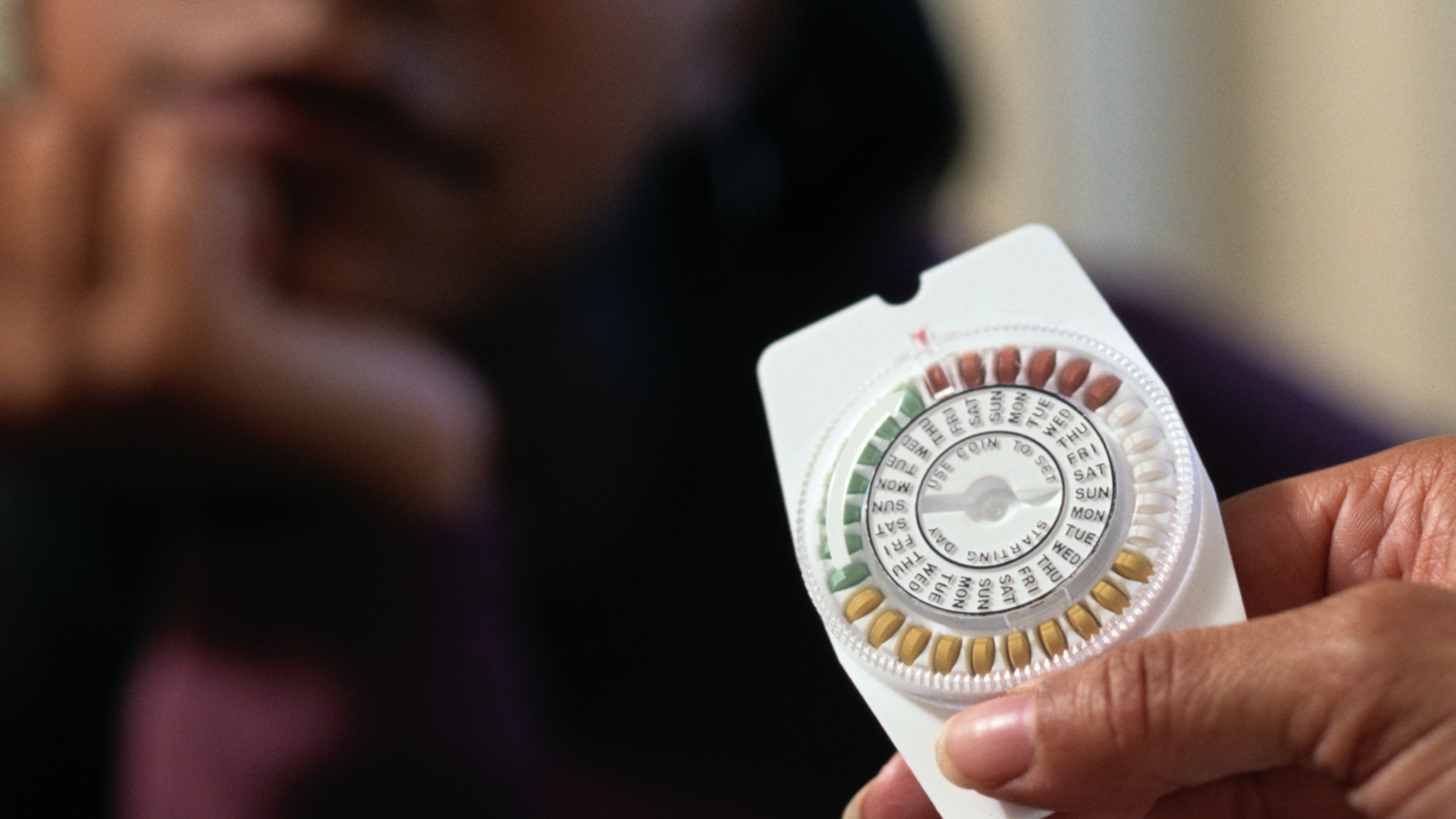
A pack of birth control pills

More Proof that the Birth Control Pill Reduces Risk of Ovarian Cancer 

A new study of more than 200,000 women found that women who had ever taken the pill had a 26% lower risk of ovarian cancer.
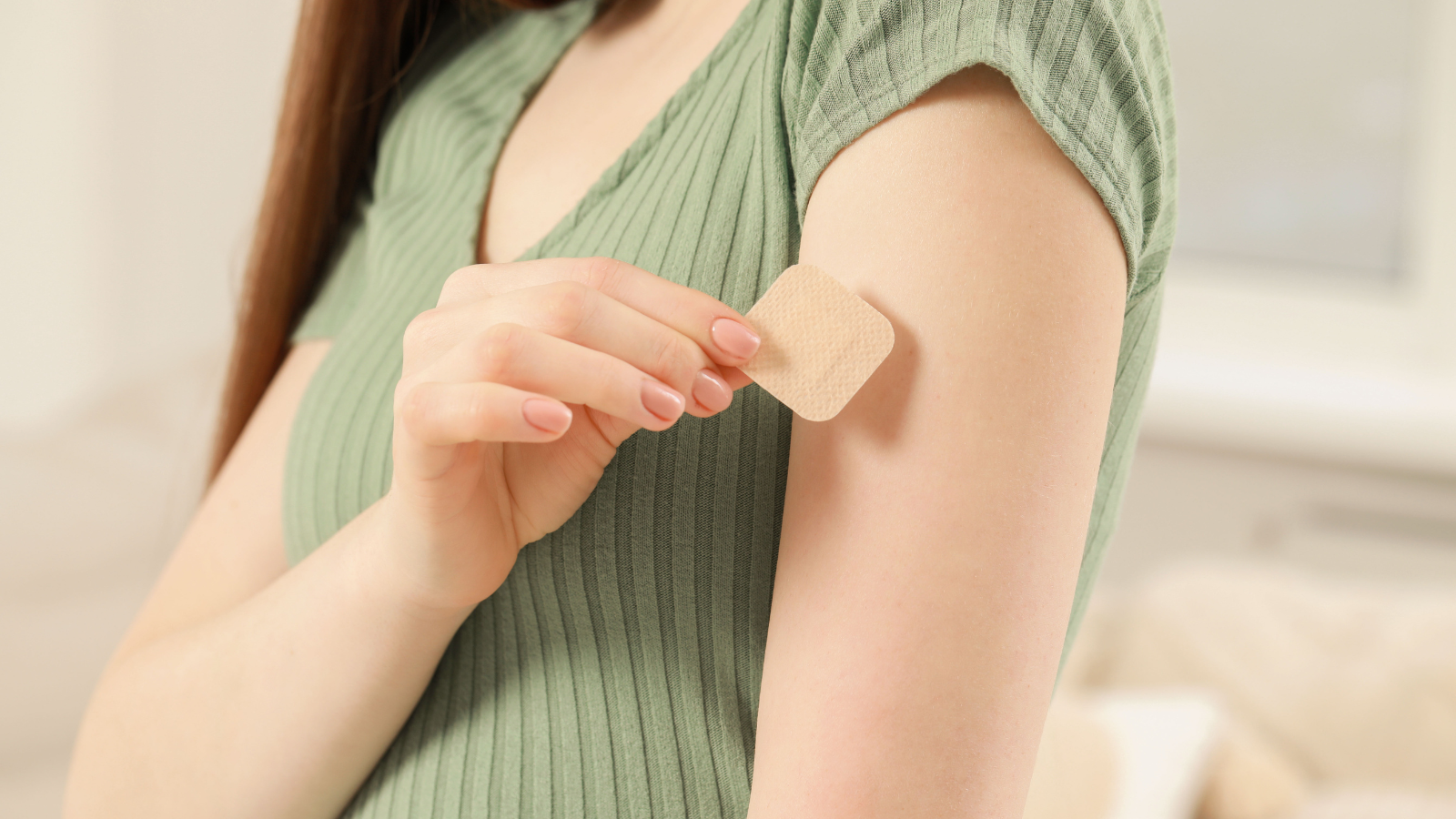
A person applies a contraceptive patch on the arm

Choosing A Hormonal Contraception Option

Many methods of birth control that are available today rely on hormones like those that our bodies make naturally. Hormonal methods come in many different forms—from pills to patches to shots—but all of them essentially work the same way.
A doctor discusses contraception options with a patient

Choosing Contraception That’s Right for You

Anyone who is having penis-in-vagina sex runs the risk of getting pregnant every time they have sex. Even if it’s your first time. Even if you have your period. Even if it’s a full moon and Mercury is in retrograde. The good news is that there are a lot of ways to make sure that you don’t get pregnant.
LARC options—implant and IUD

Questions and Concerns about Long-Acting Reversible Contraception

LARC methods are safe, reliable, and prevent pregnancy for years. For many people they are a great choice, but everyone has personal preferences for what fits in to their lifestyle and health profile.
A package of Opill contraceptives on the shelf at the pharmacy

Over-the-Counter Contraceptives Might Soon Be Covered by All Insurance 

The Biden Administration proposed new rules designed to make getting contraception easier and less expensive.
A teen is offered condoms and rolls their eyes

Are Young People Abandoning Condoms?

Condom use is falling among young people around the world. Is a lack of sex education partly to blame?
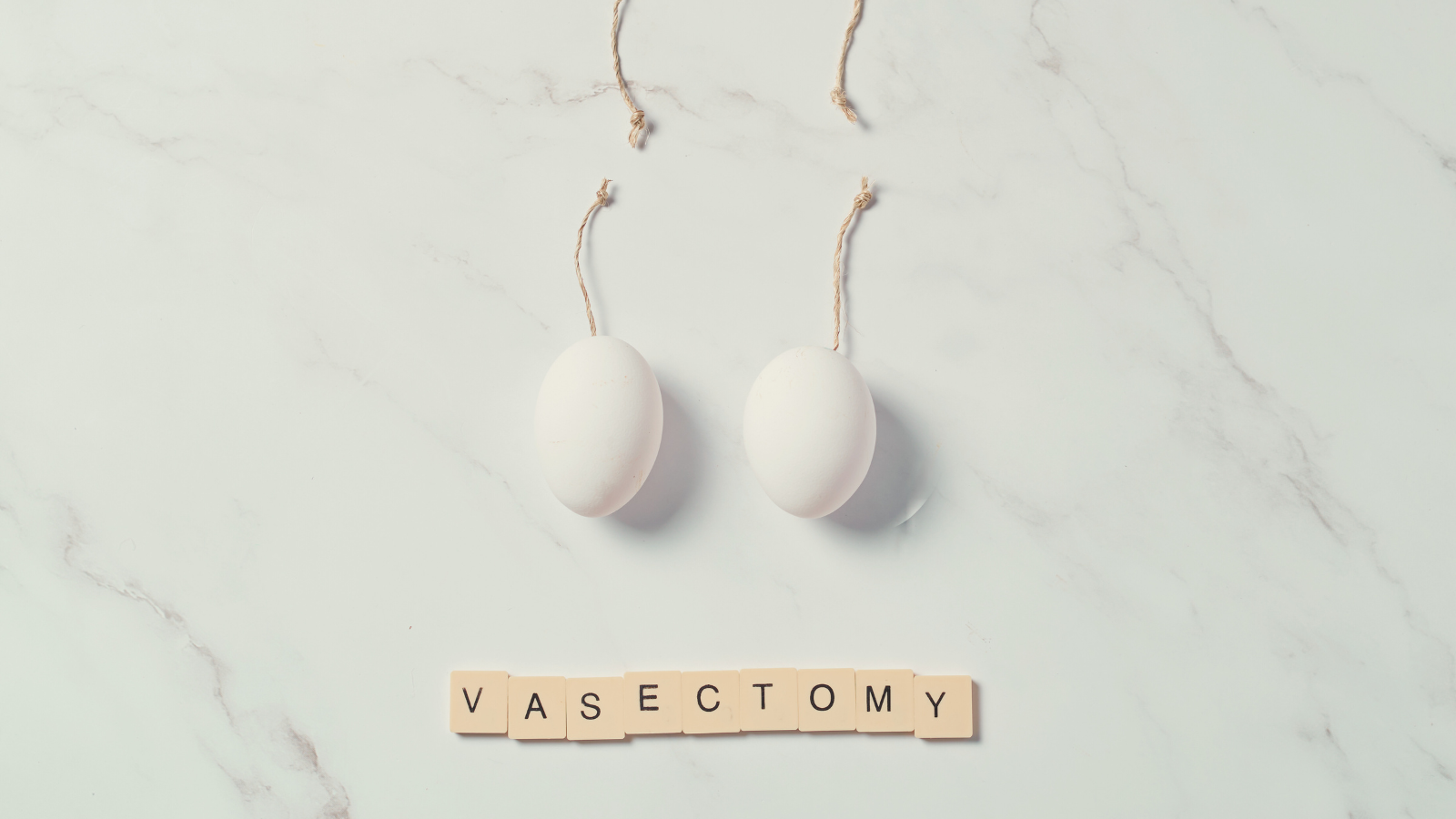
Tubal ligation

New Study Casts Doubt on the Effectiveness of Tubal Ligation 

A new study says we might be overestimating just how good tubal ligation (“getting your tubes tied” ) is at preventing pregnancy.
Birth control pills in a bag

Birth Control Prescriptions Are Down in States with Abortion Bans

Women in states with restrictive abortion laws have few options today. And yet the prescriptions for birth control methods has fallen since the Dobbs decision.

Mife Mayhem Continues: Fifth Circuit Issue a Decision

There is another update to the ongoing court battle over mifepristone, one of two drugs used in most medication abortion.
A person holds a pack of birth control pill

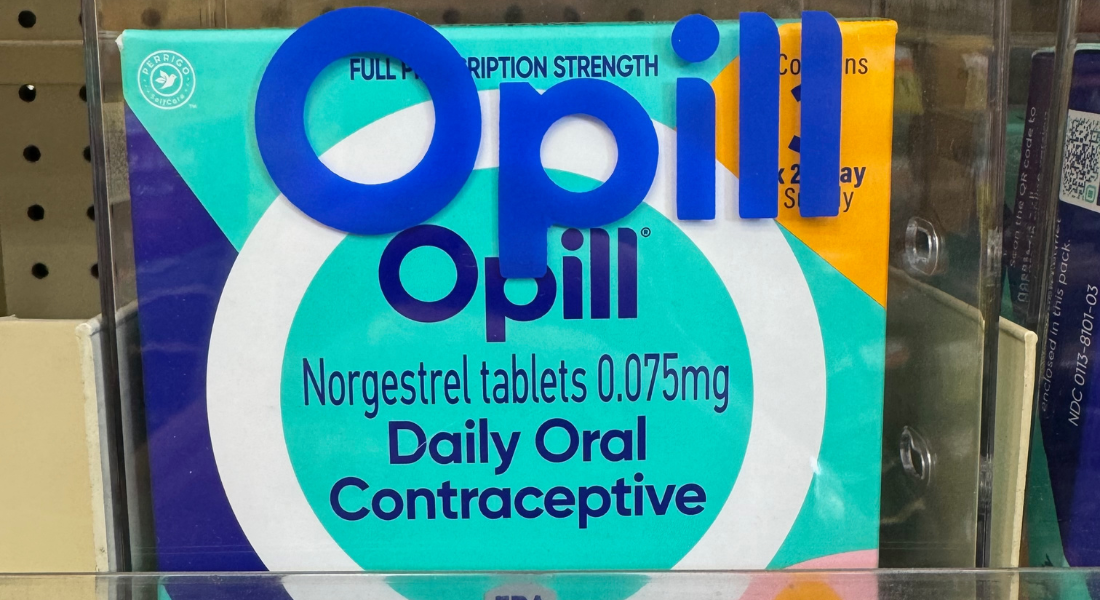
FDA Approves OTC Birth Control Pill

An FDA advisory panel voted unanimously last week that Opill, a progestin-only birth control pill, should be available over the counter.
LARC: Long-acting reversible contraception

Understanding LARC: Long-Acting Reversible Contraception

The name says it all. Long-acting reversible contraception, or LARC, is reversible birth control that provides long-lasting (think years) pregnancy prevention.