What are the symptoms of gonorrhea?
Sometimes, there are no symptoms. Many people with gonorrhea are asymptomatic, which means they don’t show any symptoms of infection.
If there are symptoms, they typically show in two days to five days in males, with a possible range of one to 30 days. In females, symptoms develop within 10 days of infection.
Possible symptoms in males:
- Yellowish-white discharge from the penis
- Burning or pain when urinating
- Urinating more often than usual
- Pain or swelling of the testicles
Women are usually asymptomatic, but might experience:
- Abnormal discharge from the vagina that is yellow and sometimes bloody.
- Burning or pain when urinating
When the infection spreads to the fallopian tubes, some women still have no signs or symptoms. Others may have one or more of the following symptoms, which can be a sign that the infection has progressed to pelvic inflammatory disease (PID): lower abdominal pain, lower back pain, pain during intercourse, bleeding between menstrual periods, nausea, fever.
Can gonorrhea cause anal or throat infections?
It is possible to have a rectal or anal gonorrhea infection. In about 90% of cases, there are no symptoms. If there are symptoms, they may include anal or rectal itching, discharge, and pain during defecation (pooping).
Gonorrhea infections of the mouth and throat also usually have no symptoms, but a person may experience soreness and redness in the mouth or throat. A culture test is used to determine if gonorrhea is causing these symptoms.
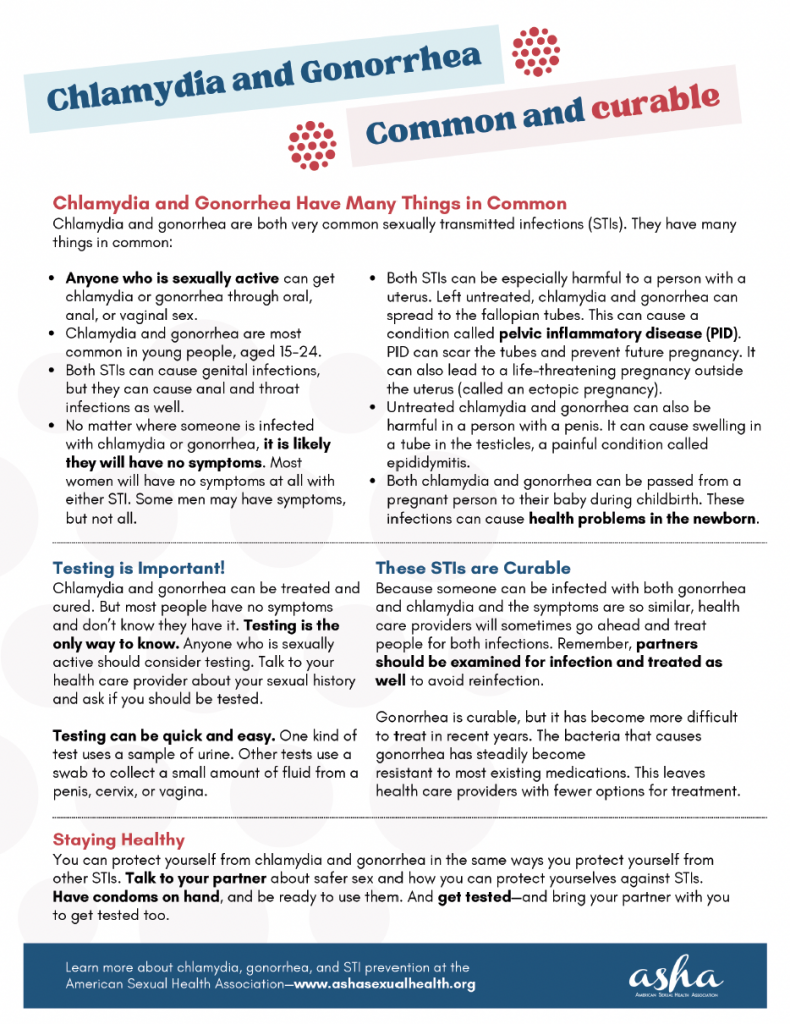
How is gonorrhea diagnosed?
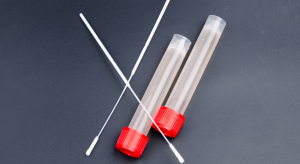
Since symptoms may not be present, the only way for a person who has been at risk for gonorrhea to tell whether they’re infected is to be tested. There are different testing options for gonorrhea such as urine or swab tests. It may be helpful to speak to your healthcare provider about what testing options they have available.
Yearly gonorrhea testing is recommended for all sexually active women younger than 25 years, as well as older women with risk factors such as new or multiple sex partners, or a sex partner who has a sexually transmitted infection (STI). Even when women do have symptoms, they can be mistaken for a bladder infection or other vaginal infection, so that’s testing is important.
How is gonorrhea treated?
The standard recommended treatment for gonorrhea is a single injection of an antibiotic (ceftriaxone). In late 2025, the US Food and Drug Administration (FDA) approved two new drugs to treat gonorrhea just weeks after the World Health Organization (WHO) sounded the alarm about antibiotic resistant infections. The two new drugs—gepotidacin and zoliflodacin—are both new kinds of antibiotics and represent the first completely new treatment options in over thirty years.
Patients with gonorrhea should also be treated for chlamydia (unless testing has ruled out chlamydia infection). People infected with gonorrhea are often also infected with chlamydia, so treatment is often prescribed for chlamydia as well, since the cost of the treatment is less than the cost of testing for chlamydia.
Here are some important points about treatment:
- All medications should be taken as directed.
- All partners should be examined and treated.
- Sexual contact should be avoided until the patient and all partner(s) have been treated and cured.
- Persons with symptoms after treatment should be tested again.
- Persons who were treated with a non-recommended course of antibiotics (sometimes done if a patient is allergic or the drugs are unavailable) should also be tested again one week after treatment, even if they have no symptoms.
- Infections detected after treatment with the recommended medications more commonly occur because of reinfection rather than treatment failure.