
The 5 Main Types of Hepatitis (including 2 you can vaccinated against)
Hepatitis is an inflammation of the liver that can be caused by a group of viruses—A, B, C, D and E. When hepatitis viruses damage liver cells, scar tissue is formed and those cells can no longer function. With fewer healthy liver cells, the body begins to show symptoms ranging from mild (such as fatigue) to more severe symptoms (such as mental confusion). Although many cases are not a serious threat to health, the disease can sometimes become chronic (long-lasting) and may lead to liver failure and death. In many cases, though, viral hepatitis is a self-resolving illness—meaning it goes away on its own.Sexual activity is most closely associated with hep B. Blood transfusion, IV needle sharing, and organ transplants can also transmit hepatitis.
The Different Types of Hepatitis
Hepatitis A is transmitted primarily through oral contact with feces (oral-fecal contact). This includes contaminated food or water sources and sexual contact, especially oral-anal sex.
Most adults infected with hep A usually develop some symptoms. Symptoms may develop about 15-50 days after exposure; the average is 28 days. These may include:
- Low-grade fever
- Malaise (feeling of ill-health)
- Fatigue (feeling tired all the time)
- Loss of appetite
- Nausea
- Abdominal discomfort
- Dark-colored urine
- Jaundice (yellowing of the skin and eyes)
Hep A is diagnosed through a blood test. The test detects hep A virus antibodies (disease-fighting proteins in the blood). These antibodies may be detected for up to six months after symptoms begin, but then usually disappear after this time.
There is no cure for hep A. Most people with severe infection will experience short-term illness and then recover completely. They are often told to rest for a few weeks and to avoid intimate contact with others. Once recovered, an individual is immune and will not get hep A again.
Fortunately, complications from hep A are rare, and few deaths result from it. It is not known to cause chronic infections. However, it can make some people very sick, and it is easily preventable through vaccination.
Hepatitis B virus is passed on through contact with infected body fluids such as semen, vaginal secretions, and blood. It is most often transmitted through sexual contact but can also be contracted when injecting drug users share needles and other injecting equipment. Mothers with hep B can also pass the virus to their infants during birth.
Hep B is not spread through food, water, sharing utensils, hugging, kissing, or by casual contact. However, certain items like razors, toothbrushes, nail clippers, and needles could pose a risk if they are contaminated with blood and should not be shared. The hep B virus can survive outside the body for at least 7 days and is still infectious during that time. Any surfaces contaminated with blood should be cleaned with a solution of 1 part household bleach and 10 parts water.
In some people, hep B will only cause a short-term (acute) infection causing mild illness for a few weeks or months. People with an acute infection often have few or no symptoms and will clear the virus on their own without treatment. Once a person has cleared the infection, they can’t be infected with hep B again.
Not everyone will clear the virus, though, and will develop a serious long-lasting (chronic) infection lasting a lifetime. Chronic hep B infection can cause complications such as cirrhosis (scarring of the liver) and even lead to liver cancer.
Hep B is diagnosed by a blood test that detects hep B antibodies in the blood. Blood tests can determine whether a person has acute or chronic hepatitis.
The good news is that hep B is preventable through vaccination. A person can choose to be vaccinated and no longer have to worry about being infected.
Other ways to prevent hep B infection include using condoms and barrier methods during oral, anal and vaginal sex.
Hepatitis C is primarily transmitted by direct contact with blood. The most common way currently is through sharing of needles or other injecting equipment during intravenous drug use that have not been properly cleaned between users.
While not common, hep C can be spread through vaginal or anal sex. According to the Centers for Disease Control and Prevention (CDC), having an STI or HIV, having sex with multiple partners, or rough sex appears to increase a person’s risk for hep C. But again, sexual transmission of hep C is not common.
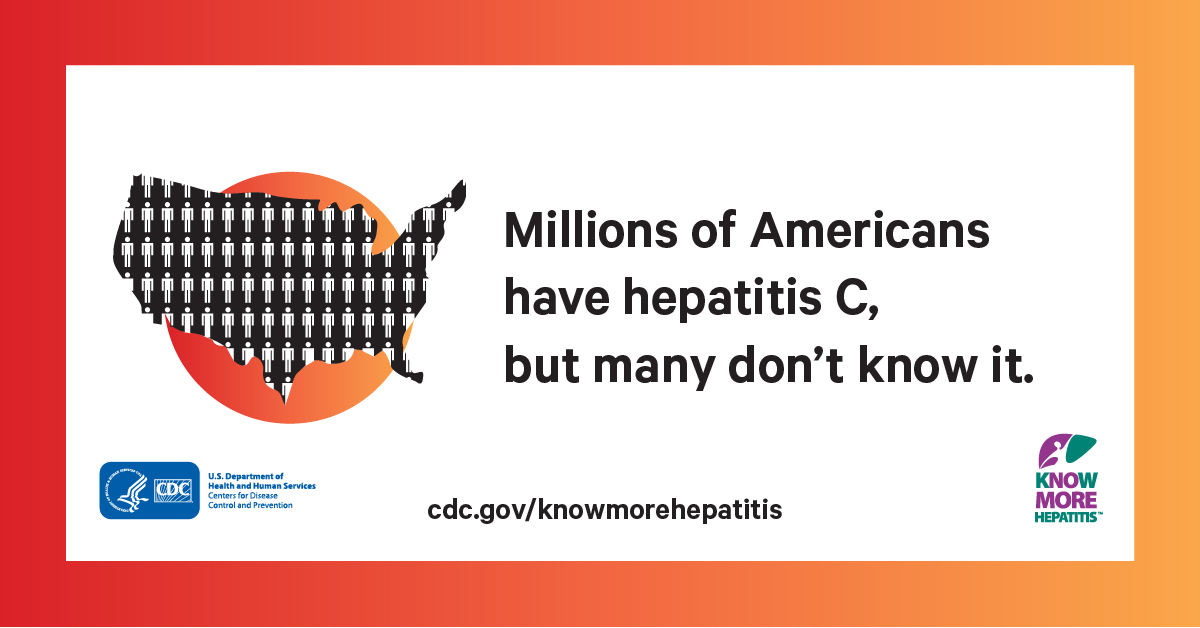
CDC now recommends one-time hepatitis C testing of all adults (18 years and older) and all pregnant women during every pregnancy.
Hepatitis D is a viral infection of the liver that can only be acquired if a person has active hepatitis B. Hep D is linked directly to hepatitis B, particularly to chronic hepatitis B infection. Vaccination against hep B can protect people from hepatitis D infection.
Hepatitis E is primarily transmitted by contaminated drinking water and is not thought to be sexually transmitted.