ASHA remains an independent, unbiased source of information on sexual health. We are guided by science, not ideology. READ MORE.

HPV-Related Cancer

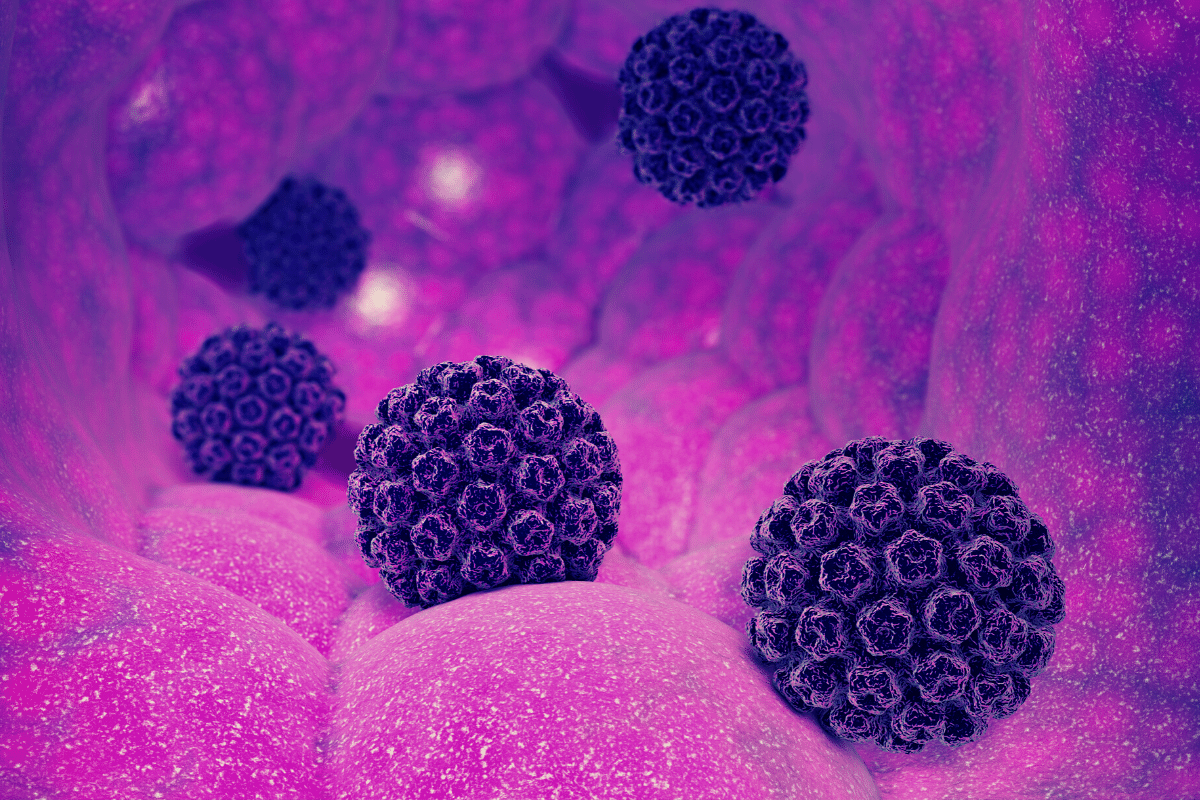
An image of HPV

Support ASHA HPV-associated cancers include cancers of the cervix, anus, penis, vagina, vulva, and oropharynx (back of the mouth/throat).

Each year, there are about 21,400 cases of HPV-related cancer among women, with cervical cancer being the most common. There are also about 15,100 cases among men, with oropharyngeal cancers (cancers of the back of the throat, including the base of the tongue and tonsils) as the most common.

Anal dysplasia and anal cancer

  • Anal cancer is a rare occurrence that has been strongly linked to “high-risk” types of HPV.
  • Abnormal cell changes in the anal area (anal dysplasia or anal neoplasia) are more common among individuals who engage in receiving anal sex.
  • Anal cancer rates in men who have sex with men are 17-fold higher than in the general population. However, anal dysplasia has also been reported in some people who have a history of severe cervical dysplasia.
  • Treatment is available for anal dysplasia and anal cancer.

Head and neck cancer

  • “High risk” HPV is linked with some types of head and neck cancer, primarily oropharyngeal cancers found in the base of the tongue, tonsils, and soft palate.
  • Oral sex may be a risk factor for acquiring oral HPV.
  • While HPV is very common, oropharyngeal cancers are rare.

Penile Intraepithelial Neoplasia (PIN) and Penile Cancer:

  • Cancer of the penis is extremely rare in the United States, and HPV is not always the cause.
  • There are some cases of cell changes (neoplasia) on the penis, which are caused by “high-risk” types of HPV.
  • Most people with a penis do not ever experience symptoms or health risks if they get one or more “high-risk” types of HPV.
  • Penile neoplasia can be treated. There is not a cancer screening for the penis because cancer of the penis is extremely rare, and because it is difficult to get a good cell sample from the penis.

Vaginal Intraepithelial Neoplasia (VAIN) and Vaginal Cancer

  • HPV has been linked with some, but not all, cases of cell changes in the vagina and with vaginal cancers.
  • Various treatment options are available for vaginal neoplasia, depending on how mild or severe the cell changes are in this area.
  • Vaginal cancers are rare.

Vulvar Intraepithelial Neoplasia (VIN) and Vulvar Cancer

  • HPV has been linked with some, but not all, cases of cell changes on the vulva and with vulvar cancers.
  • Various treatment options are available for vulvar neoplasia, depending on how mild or severe the cell changes are in this area.
  • Vulvar cancers are rare.

Preventing HPV and Head and Neck Cancer

More to Explore

Gonorrhea

There Are Two New Drugs to Treat Gonorrhea 

The FDA approved two new drugs to treat gonorrhea The new drugs—gepotidacin and zoliflodacin—are both new kinds of antibiotics and represent the first completely new treatment options in over thirty years.

A stethoscope and a teal ribbon

ACS Releases New Cervical Cancer Screening Guidelines

The American Cancer Society (ACS) released new recommendations for cervical cancer screening that focus on HPV testing and approve the use of self-collected samples. The recommendations also clarify the age at which screening should start and stop.

Mpox

New Type of Mpox Diagnosed in England

Public health officials in England announced that they have identified a new combined type of mpox. Tests show the virus was a unique mix of the two known types of mpox and experts are concerned about what this means for future spread of the virus.

An infant with a bandage where a vaccine was administered

ACIP Changes Hepatitis B Vaccination Gudiance

A committee that advises the Centers for Disease Control and Prevention (CDC) made an alarming change to the recommendations for the hepatitis B vaccine that will leave some infants unprotected.

Cases and deaths from vaccine preventable diseases

The Science is Still Clear—Vaccines Work

The Centers for Disease Control and Prevention (CDC) recently made striking changes to its online information about the connection between vaccines and autism that put the agency on the wrong side of science.

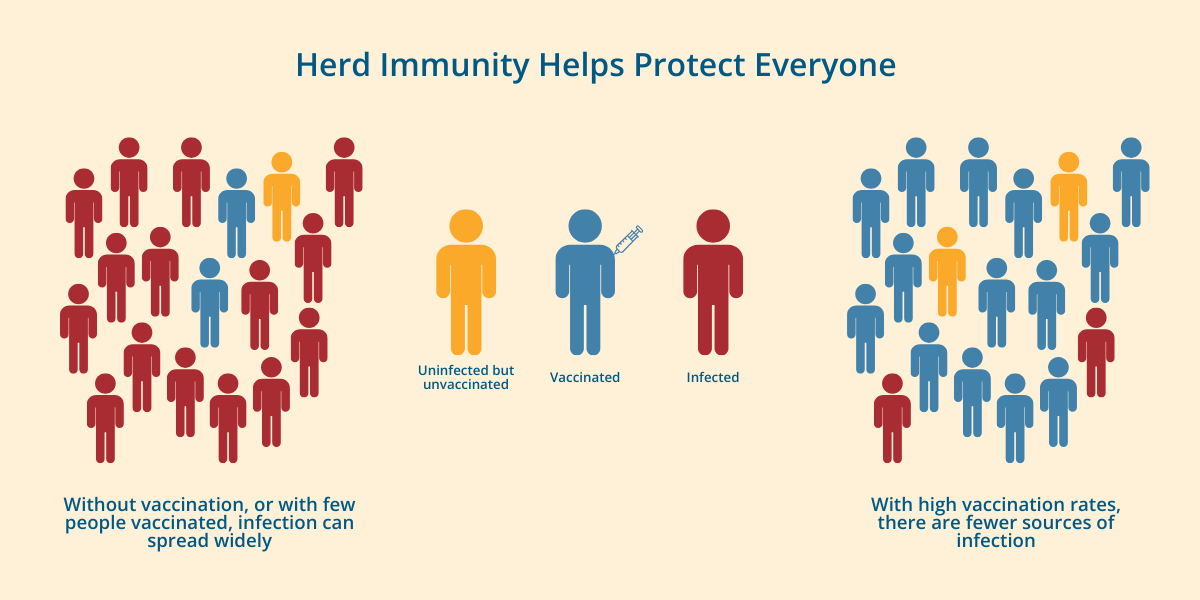
A visual representation of herd immunity

Study Shows Herd Immunity for HPV is Possible

We’ve known for years that the HPV vaccine works. Now new research shows that widespread vaccination even protects those who haven’t gotten the shot. This study proves that it is possible to reach herd immunity for HPV.