New Studies Add to Evidence that Doxy PEP Works for STI Prevention
A group of new studies presented at the Conference on Retroviruses and Opportunistic Infections (CROI) add to our evidence that doxy PEP works to prevent bacterial sexually transmitted infections (STIs) among transgender women and men who have sex with men (MSM).
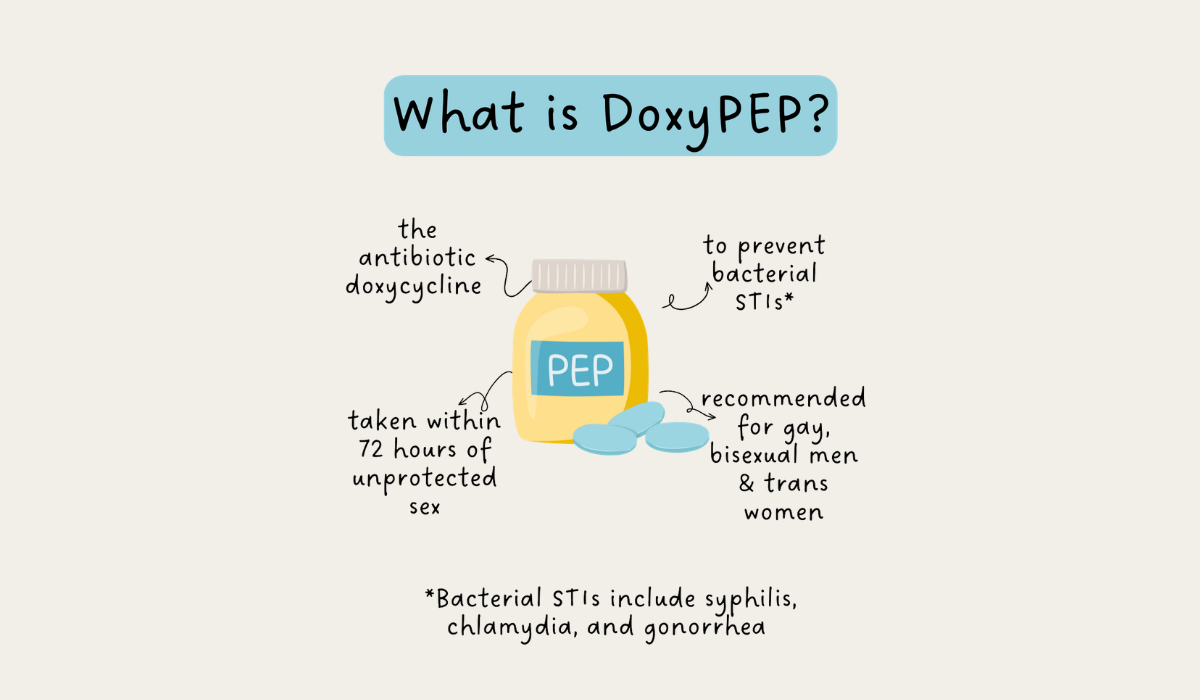
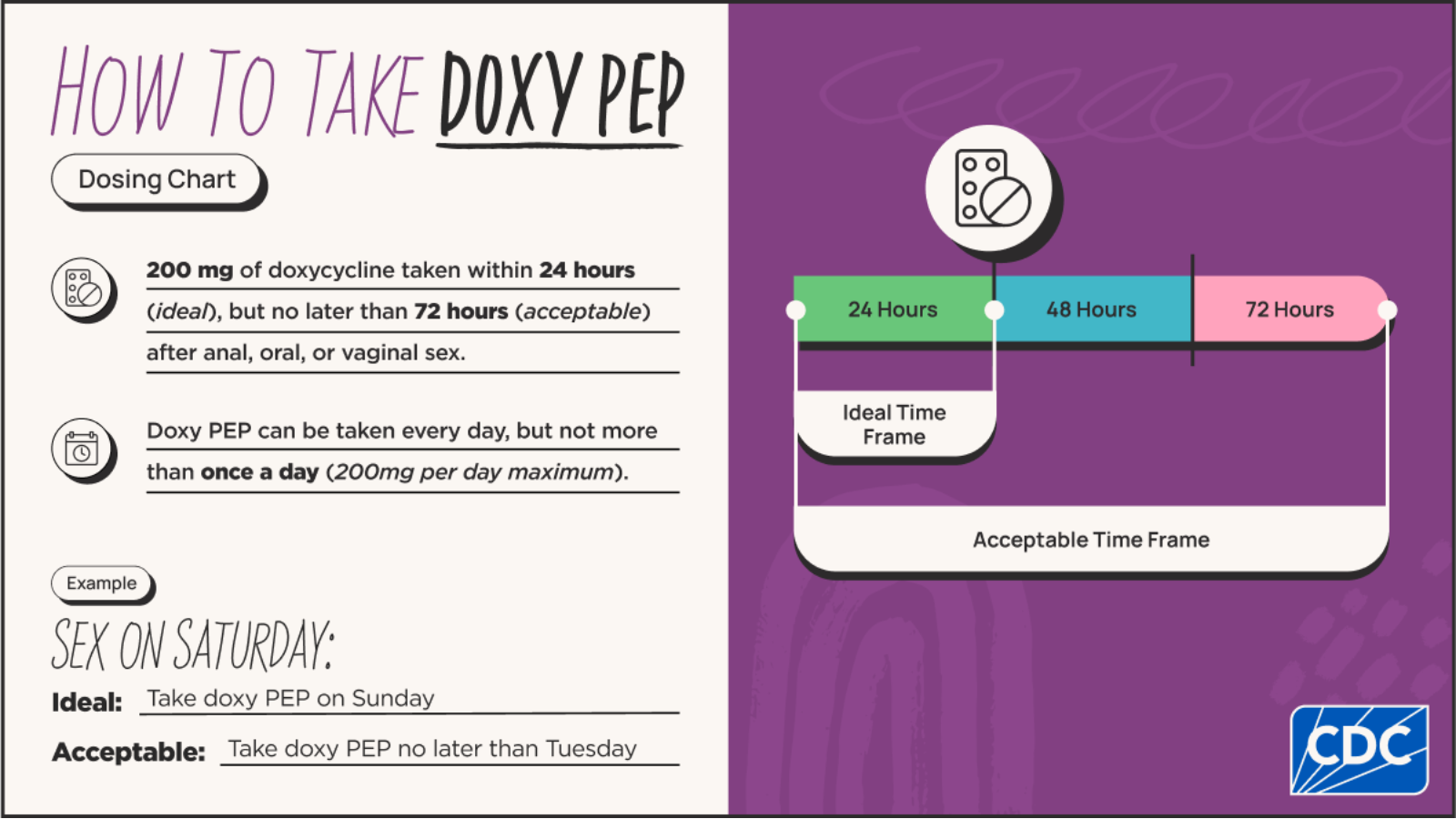
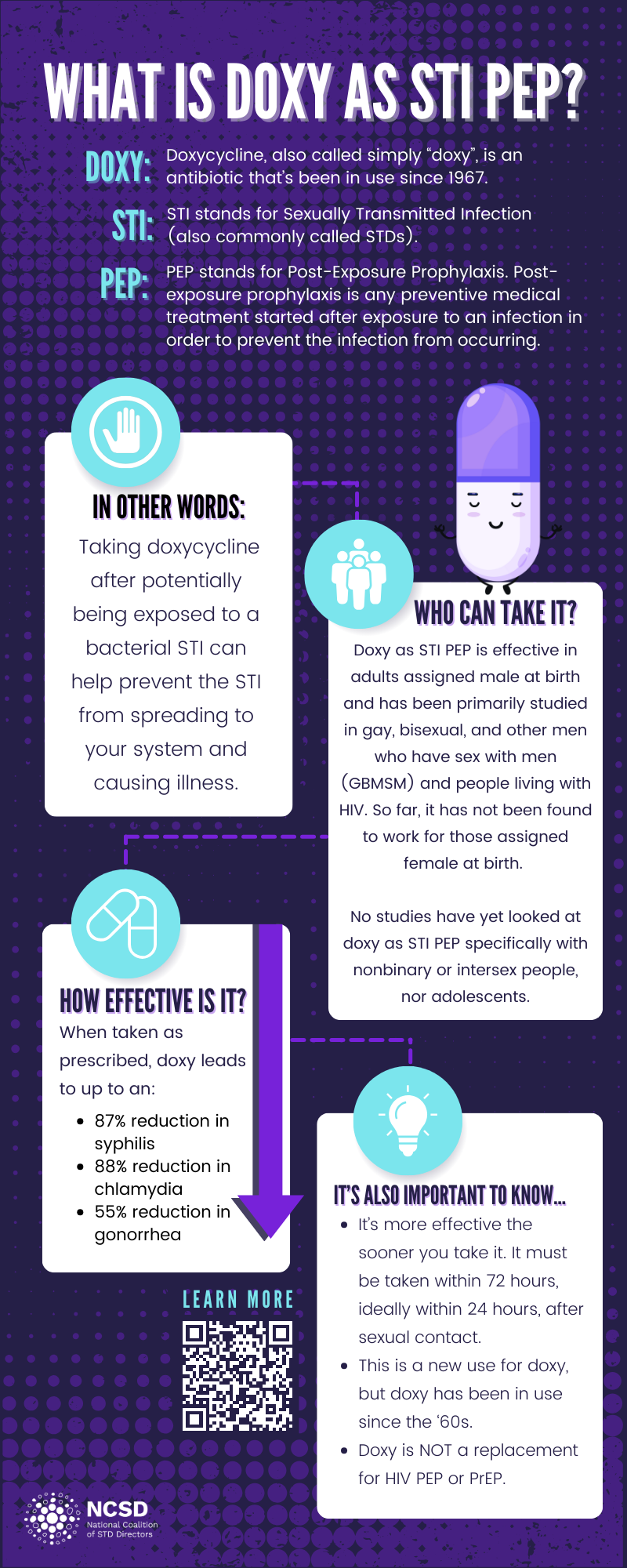
Doxy PEP—or doxycycline post-exposure prophylaxis—is a sexual health strategy that involves taking the oral antibiotic doxycycline within in 72 hours after having condomless sex. Research has shown that doxy PEP works to prevent chlamydia, gonorrhea, and syphilis.
This strategy comes at a time when bacterial STIs are on the rise. Recently released data from the CDC showed there were 2.5 million cases of chlamydia, gonorrhea, and syphilis reported in the United States in 2022. Cases of chlamydia and gonorrhea—the two most common reportable STIs—have remained high for many years, and syphilis cases have skyrocketed recently. The number of primary and secondary syphilis infections in 2022 was 80% higher than 2018.
Doxy PEP is the first new prevention method for bacterial STIs, and many experts believe it will be an important tool in our fight against this epidemic.
The San Francisco Department of Health was the first in the country to start offering doxy PEP to its patients. Initial findings of several studies from the city were presented at the CROI, and all seem very promising.
Finding 1: Randomized Controlled Trial of Doxy PEP in San Francisco has Great Success
Researchers at the University of California San Francisco recruited 500 gay and bisexual men and transgender women who were either living with HIV or taking PrEP. Participants were randomized into two groups; those who used doxy PEP after condomless sex and a control group who did not (this group got standard care). Early results showed that 12% of the doxy PEP group got an STI compared to 31% of the control group.
These results were so good that the researchers stopped the randomized part of the study and offered doxy PEP to all participants. STI rates among participants who had been taking doxy PEP stayed stable in this second half of the study. Rates among control group members who decided to use doxy PEP fell from 31% to 17% in a short period of time. Overall, the trial showed a 65% reduction in bacterial STIs (80% for chlamydia and syphilis and 50% for gonorrhea).
The researchers noted that this was not a result of fewer acts of condomless sex. In fact, the number of condomless sex acts increased in the second half of the study.
Finding 2: Real World Reduction in STIs Among PrEP Users
The San Francisco AIDS Foundation’s Magnet sexual health clinic has been offering doxy PEP to its 3,000 active PrEP users since November 2022. Researchers tracked overall STI incidence among those who start doxy PEP and found it decreased by 58% between November 2022 and November 2023. The decrease was greatest for primary and secondary syphilis (78%) and chlamydia (67%).
Gonorrhea incidence decreased by just 11% which wasn’t statistically significant. Dr. Hyman Scott who was led the study noted that gonorrhea is known to be resistant to tetracyclines (the class of antibiotics that includes doxycycline).
Finding 3: STI Rates Lower Than Predicted After Doxy PEP
Another study looked at data from the Magnet sexual health clinic and two others in the city. Researchers started with data on STIs from the months right before doxy PEP was introduced (July 2021-October 2022) and built predictions of what the incidence would be the following year if no new strategy were introduced. They then compared those numbers with the real incidence seen at the three clinics. The findings show the city-wide incidences of chlamydia was 50% lower than predicted levels, and the incidence of primary and secondary syphilis cases was 51% lower than predicted. There was no decrease in gonorrhea cases when compared to predictions.
There is not yet a lot of research on doxy PEP because it is so new. But with these studies we now have clinical trial data, cohort studies, and population data that all support its effectiveness in preventing chlamydia and syphilis.
Learn More About Herpes