Your Reproductive Health
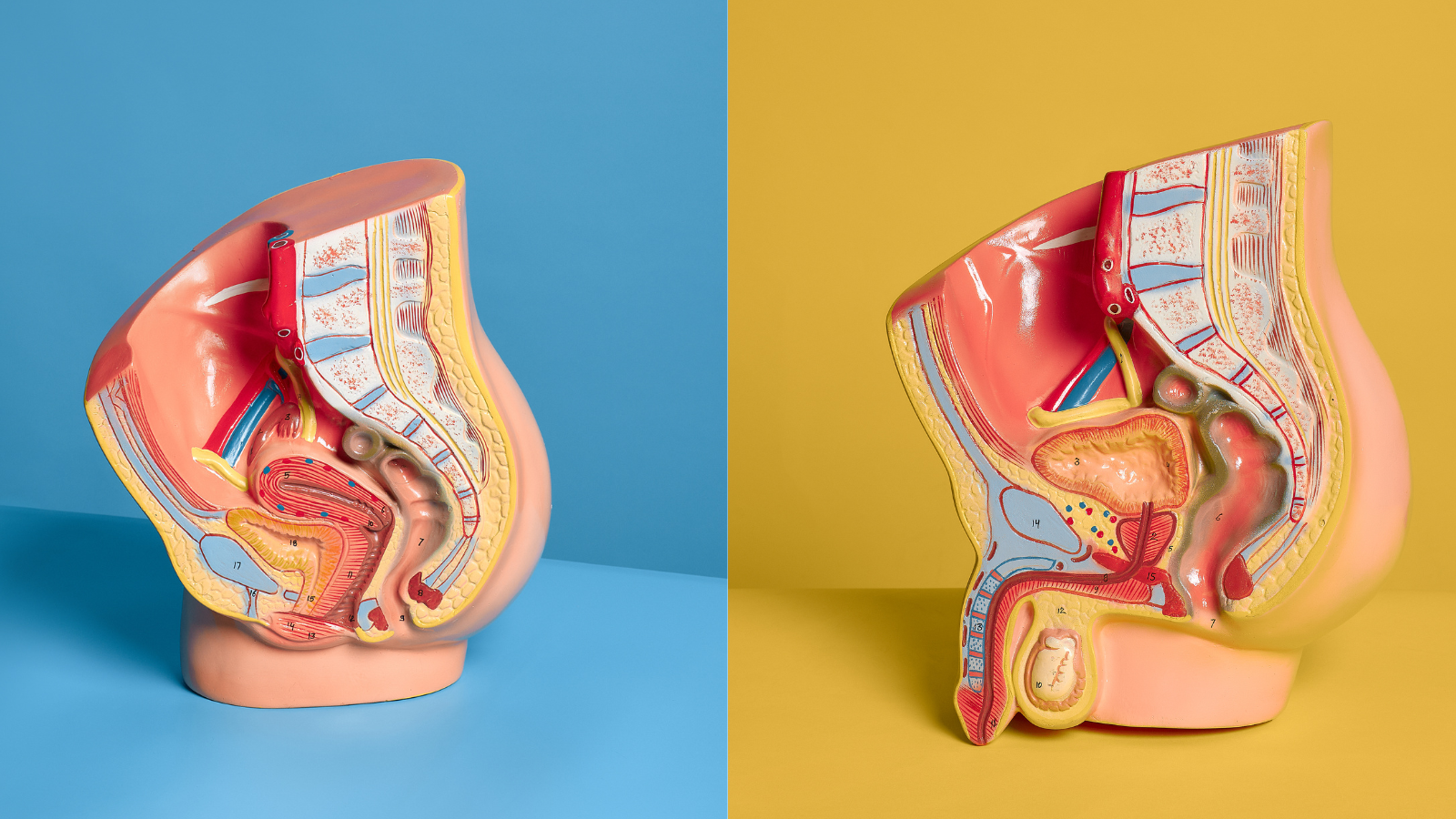
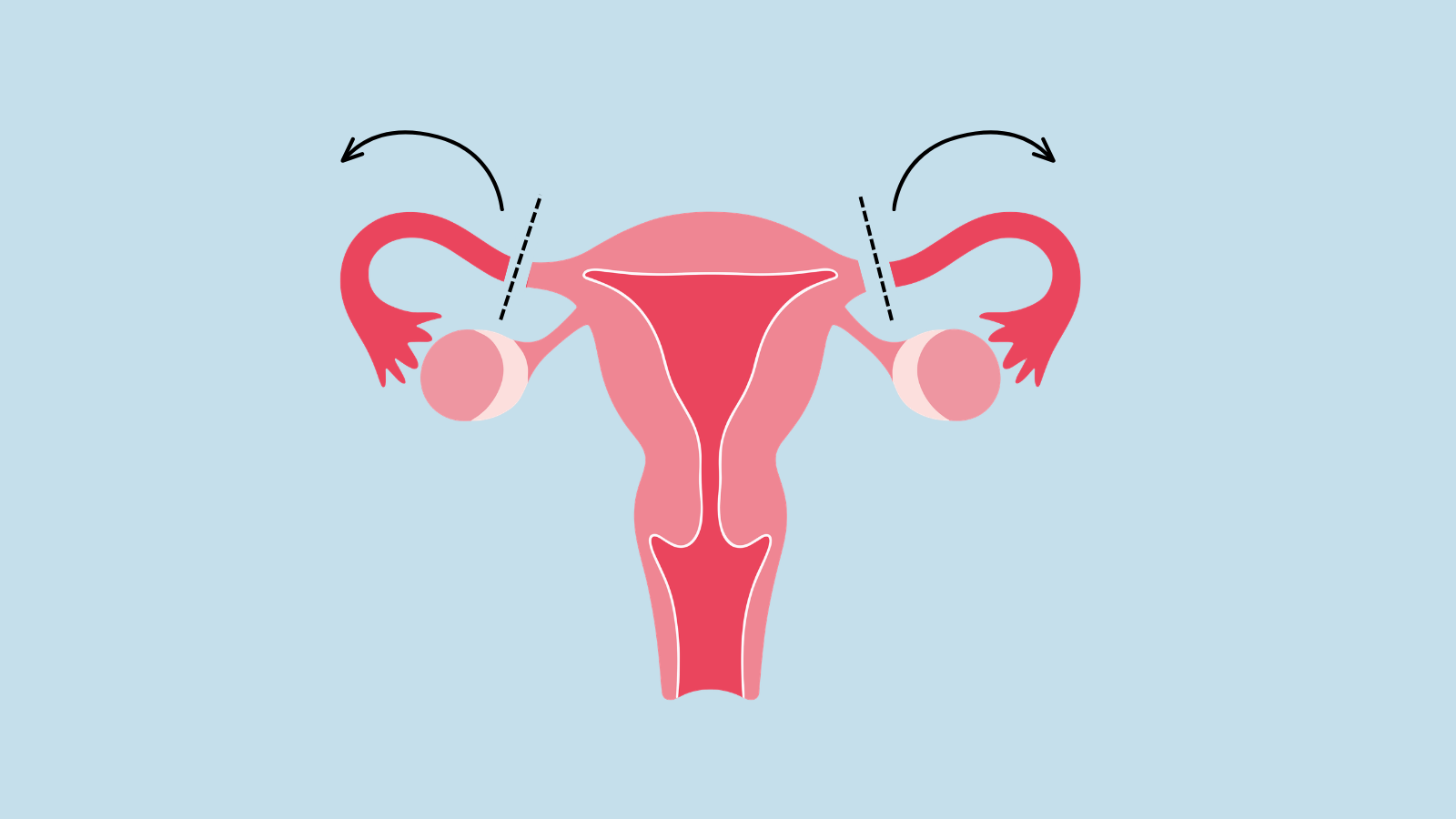
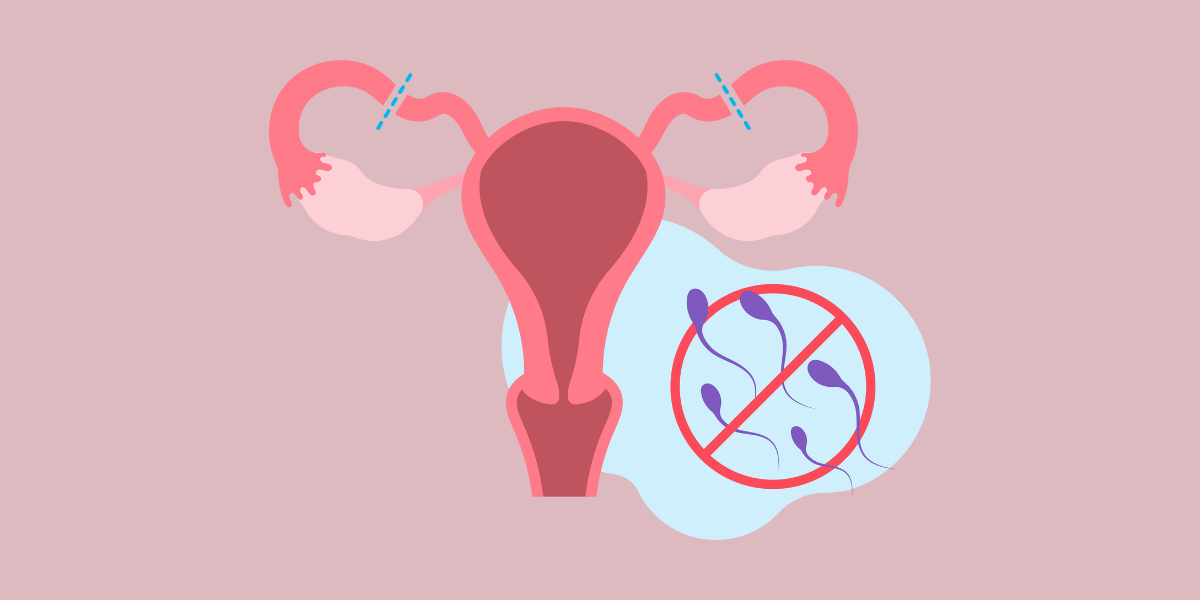
Our reproductive health is an important part of our sexual health and our overall health. It includes our reproductive organs—like the vagina, cervix, uterus, ovaries, and fallopian tubes or the penis, testicles, and vas deferens. It also includes our ability to get pregnant or get someone pregnant when we choose which means we need to have healthy sperm or eggs.
Not everyone will or wants to have biological children in the future, but understanding reproduction and knowing how to protect your reproductive health is important.
Protecting Your Reproductive Health
One of the most important things you can do to protect your reproductive health is to prevent sexually transmitted infections (STIs). If left untreated, STIs like gonorrhea and chlamydia can cause scarring of the fallopian tubes or the urethra. This can make it hard to get pregnant or get someone pregnant.
HPV, another common STI, can cause cervical cancer and cancers of the vulva, vagina, and penis. These cancers—and the treatments for them—can affect your fertility.
You can prevent most (but not all) STIs by using condoms every time you have sex. There is also a vaccine that protects against the types of HPV most likely to cause cancer. The Centers for Disease Control and Prevention (CDC) recommend that everyone—regardless of sex or gender—get the HPV vaccine around age 11. (If didn’t get the vaccine as a pre-teen, talk to your health care provider about whether you should get it now.)
Other important ways to protect your reproductive health is to stay up to date on screening for STIs and cervical cancer, and to have regular checkups with a health care provider. Cervical cancer screening starts at age 21. Screening for other STIs depends on your age, your partners, and your sexual behavior. See the most recent recommendations here.
Getting Pregnant
Whether you want to get pregnant now, want to wait a long time, or have no interested in reproducing, it can help to understand how pregnancy works. You probably learned a lot of this in middle school health class, but here’s a quick refresher.
Starting at puberty, ovaries make eggs and testicles make sperm. The sperm out through the penis every time a person ejaculates. One egg is released from an ovary just about once a month, travels down the fallopian tubes, and into the uterus. If an egg gets fertilized by sperm it usually happens in the fallopian tubes.
An egg can only be fertilized for 12 to 24 hours after it’s released. Sperm can live in the female reproductive tract for five days.
If you’re trying to get pregnant, it’s best to have sex before ovulation so that sperm have already made their way to the fallopian tubes when the egg is released. If you’re trying not to get pregnant you need to avoid sex at any point during the cycle when sperm and egg might be there at the same time.
The tricky part is that many people don’t know exactly when they ovulate. People sometimes use apps to track their cycles and pinpoint the days they are most fertile. This can work well for people who want to become pregnant. It can also work for people who want to avoid pregnancy if they are motivated to do all of the steps required to track their cycle and can commit to not having penis-in-vagina sex on several days each month.
Preventing Pregnancy
While tracking your cycles can be helpful to understand your body, there are more effective ways to prevent pregnancy.
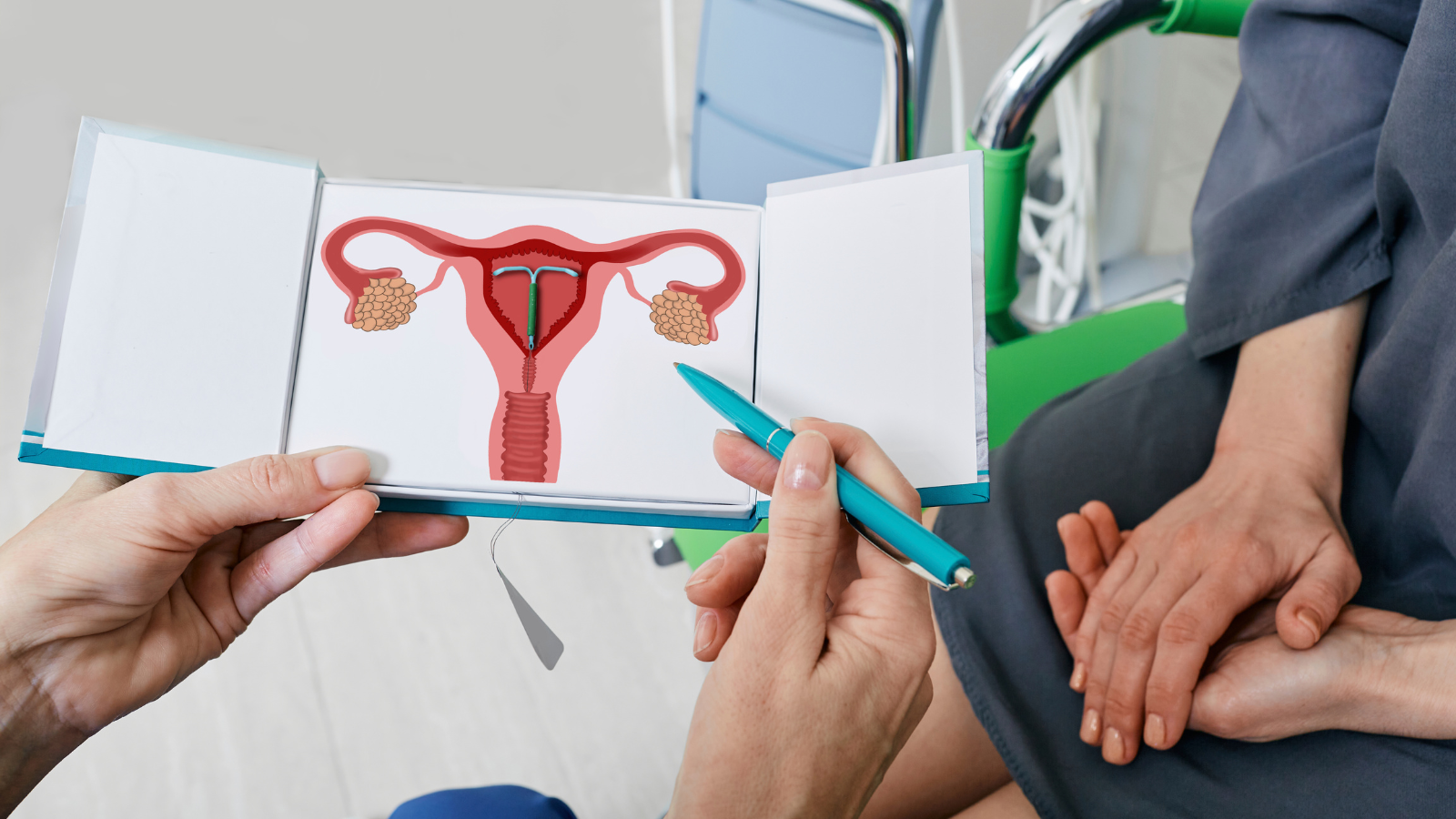
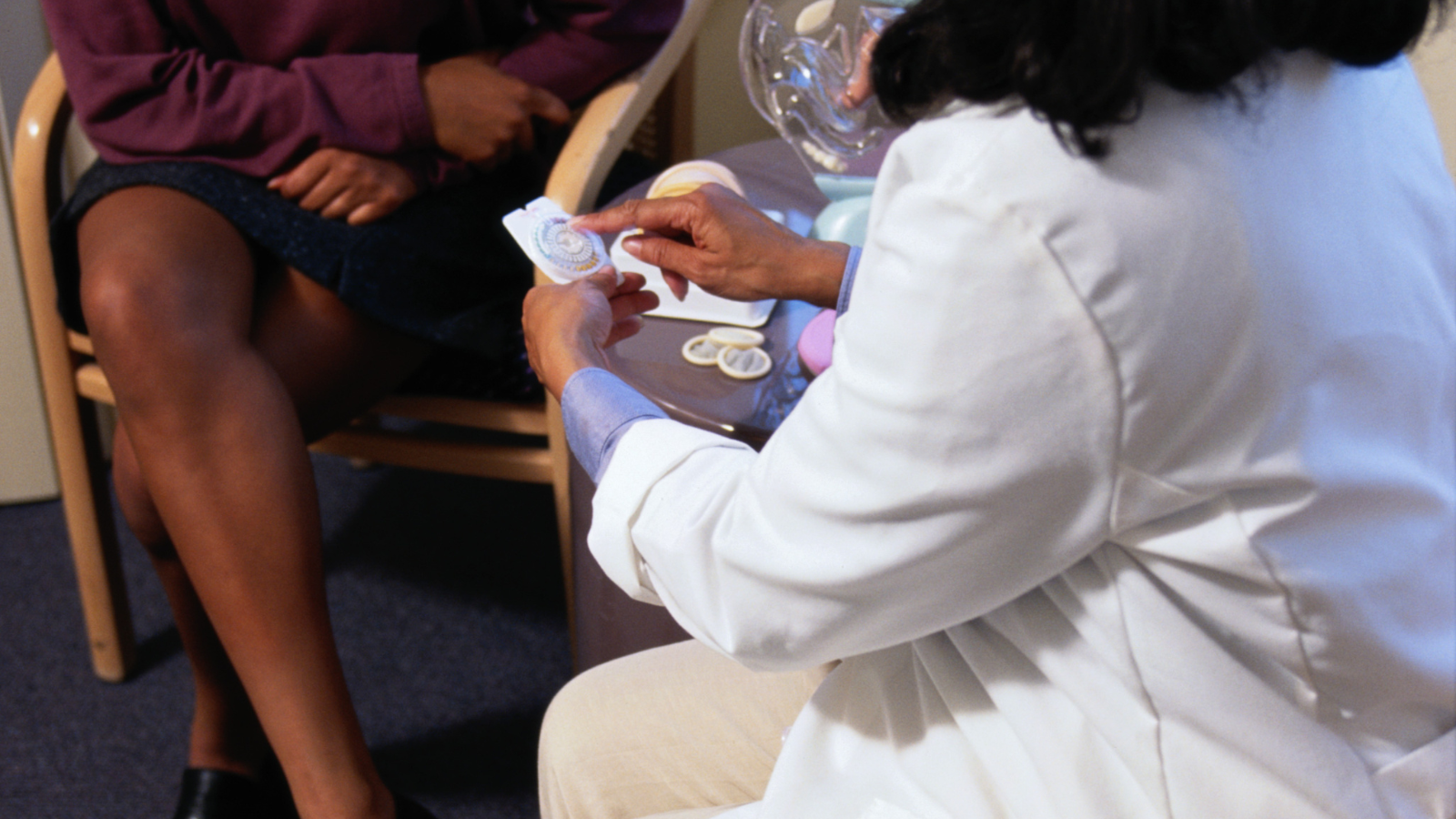
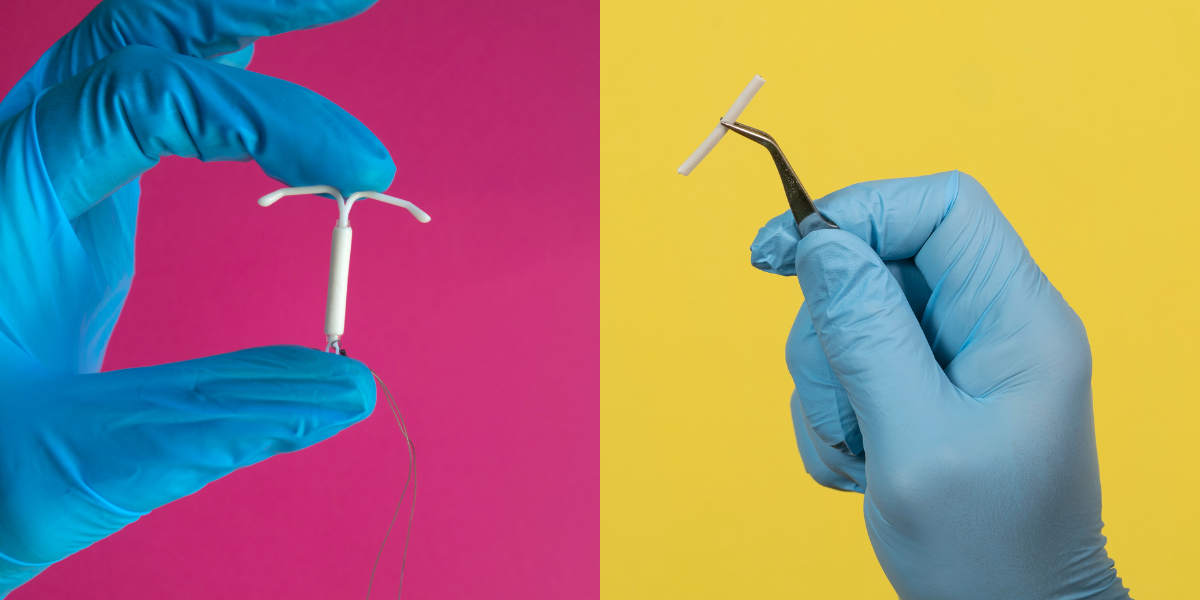
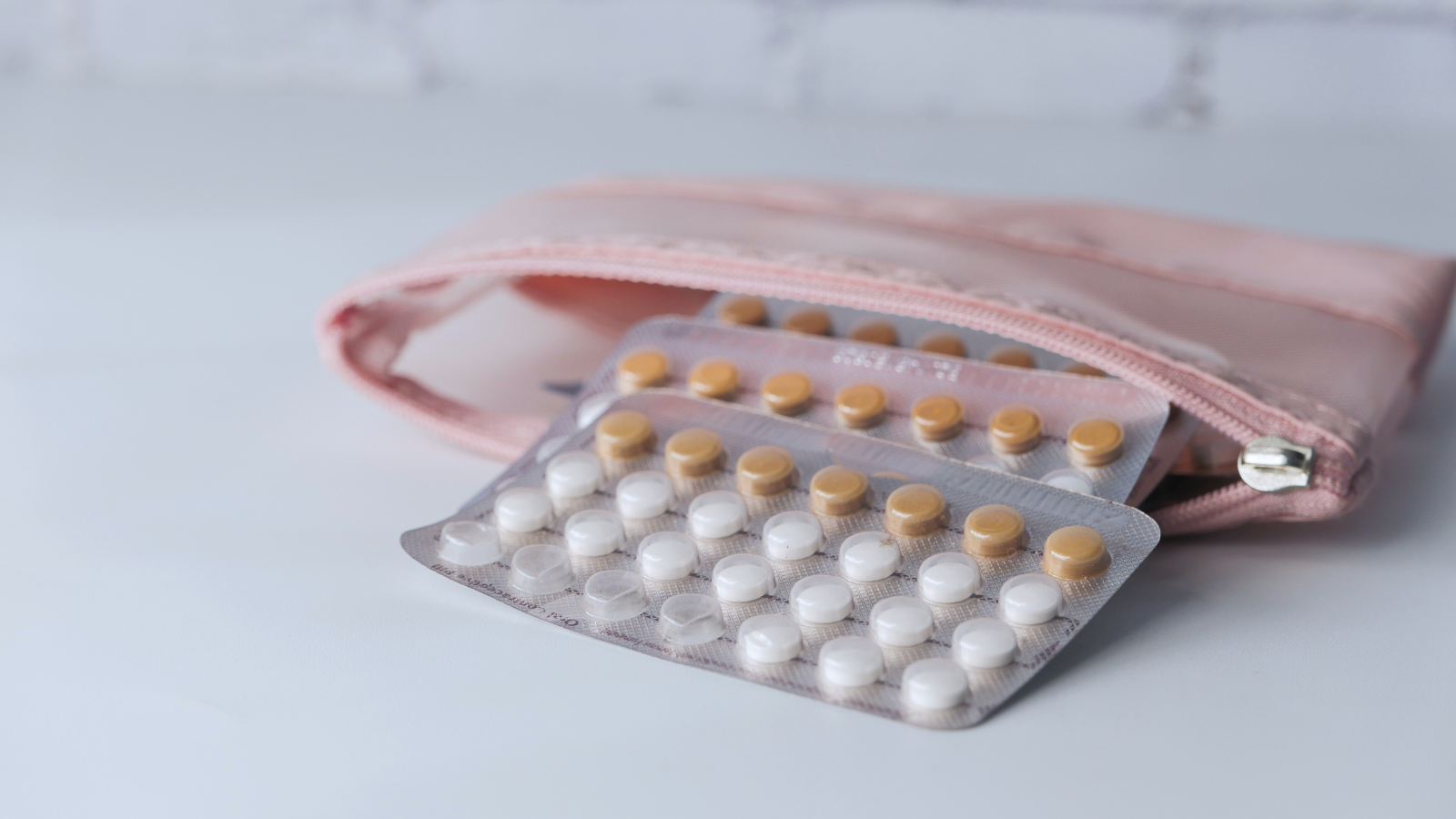
Please see our contraception page to learn more about behavior methods, barrier methods, hormonal methods, long-acting reversible contraception, and permanent surgical methods.
Considering Abortion
Unintended pregnancy can happen. If you’re pregnant and don’t want to be you have options. Medication abortion—which uses two drugs called mifepristone and misoprostol—is one of those options. Surgical abortion is another.
Abortion is no longer legal in every state. Power to Decide, a non-profit dedicated to ensuring everyone can make informed decisions about their reproductive health, has created an abortion finder that can help you locate a clinic or get abortion pills via telehealth.