Ovarian cancer is hard to detect early. It often causes no symptoms, and there are no screening tests that can find it. Even pelvic exams can’t detect early cases. There also aren’t many steps that can be taken to prevent ovarian cancer. But research suggests that 70% of the most common and aggressive kinds of ovarian cancer start in the fallopian tubes. This is why ACOG and other medical organizations are recommending removing fallopian tubes when practical.
Removing Fallopian Tubes As Birth Control
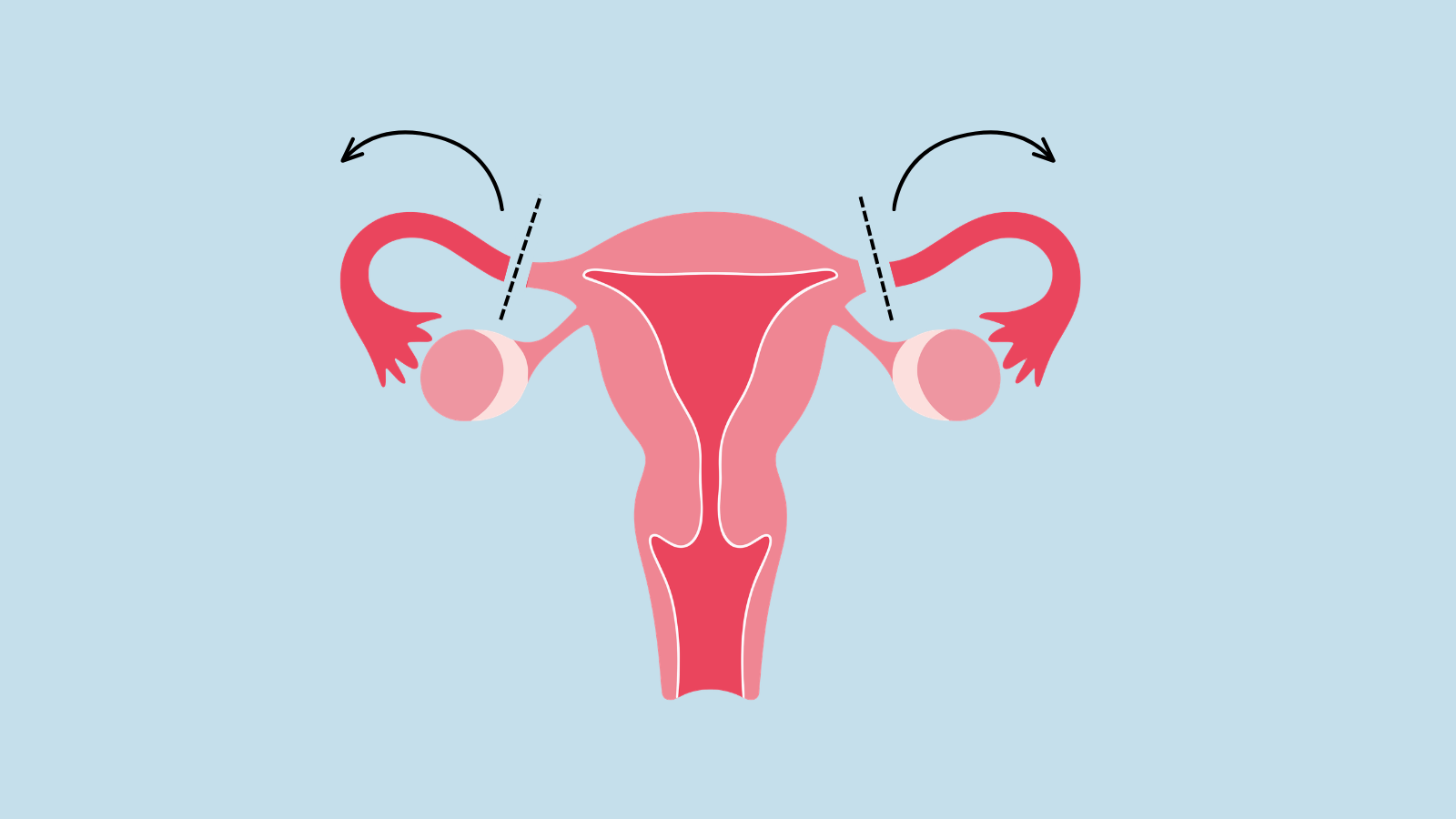
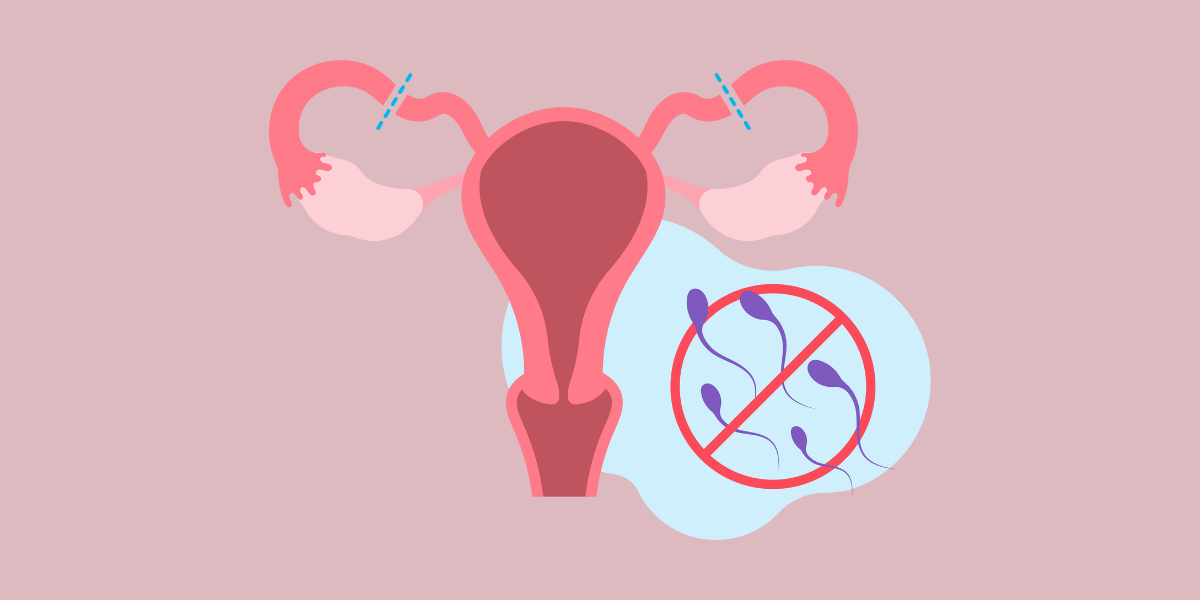
People who are sure that they don’t want to have any more children often opt for surgical sterilization. For people with testicles, means a vasectomy which cuts, ties, or seals the vas deferens, the tubes that carry sperm out of the testes. For people with uteruses, this historically meant tubal ligation which cuts, ties, or seals the fallopian tubes, the tubes that carry eggs out of the ovaries. In recent years, however, some surgeons have removed the fallopian tubes instead. (The procedure to remove a fallopian tube is called a salpingectomy.)
ACOG is now saying that removing the fallopian tubes is the better method. The new guidelines stress that “…salpingectomy is the preferred procedure for patients seeking permanent contraception.”
Removing Fallopian Tubes As Part of Other Surgeries
The new guidelines also suggest that women having other abdominal surgeries be told about the possibility of having their fallopian tubes removed at the same time.
Modern hysterectomies already include removing the fallopian tubes. The new ACOG guidelines suggest that clinicians also recommend removal to women who are having other gynecological procedures such as surgeries to remove fibroids or ovarian cysts.
The recommendation isn’t just for gynecologic surgery. It also applies to some other operations in the pelvis or abdomen, such as hernia repair, appendix removal, gallbladder surgery, or bowel surgery.
Health care providers call this an “opportunistic salpingectomy,” but the idea is simple: if you’re already having surgery in your pelvis or abdomen, why not remove the fallopian tubes at the same time. It doesn’t add to the risks of the surgery or the recovery time, and it may prevent ovarian cancer. Of course, it’s only an option for people who don’t want to have any more children now or in the future.
Preventing Ovarian Cancer
Dr. David Schalowitz, a professor at Western Michigan University’s medical school said in a statement, “Obstetrician-gynecologists have an opportunity to empower patients through education, evidence-based practice, and collaboration with other medical and surgical specialists. For now, salpingectomy is the safest, most effective way to prevent this deadly disease.”
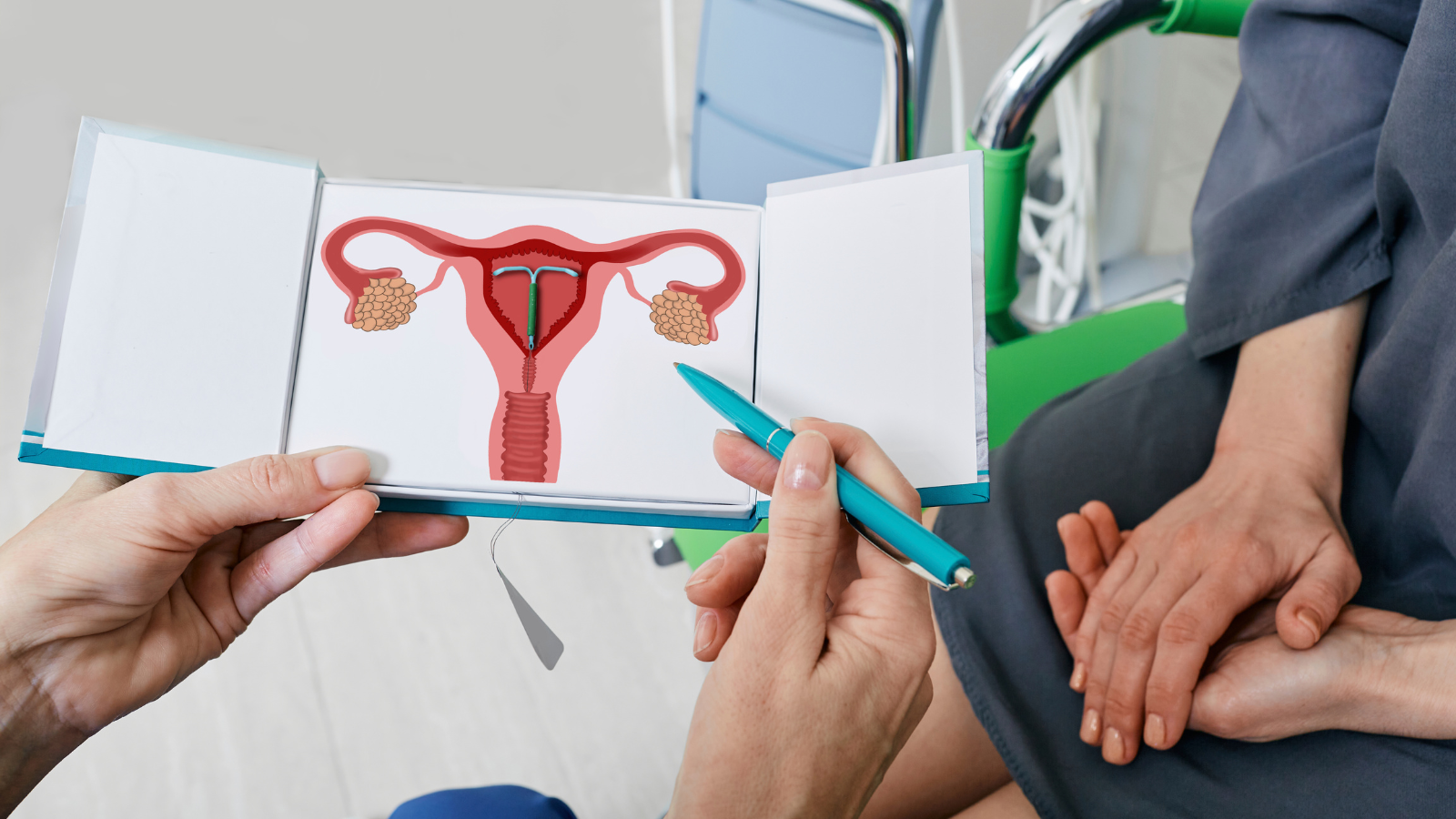
If you are looking for permanent contraception or scheduled to have any pelvic surgery, ask your health care provider about the possibility of removing your fallopian tubes.
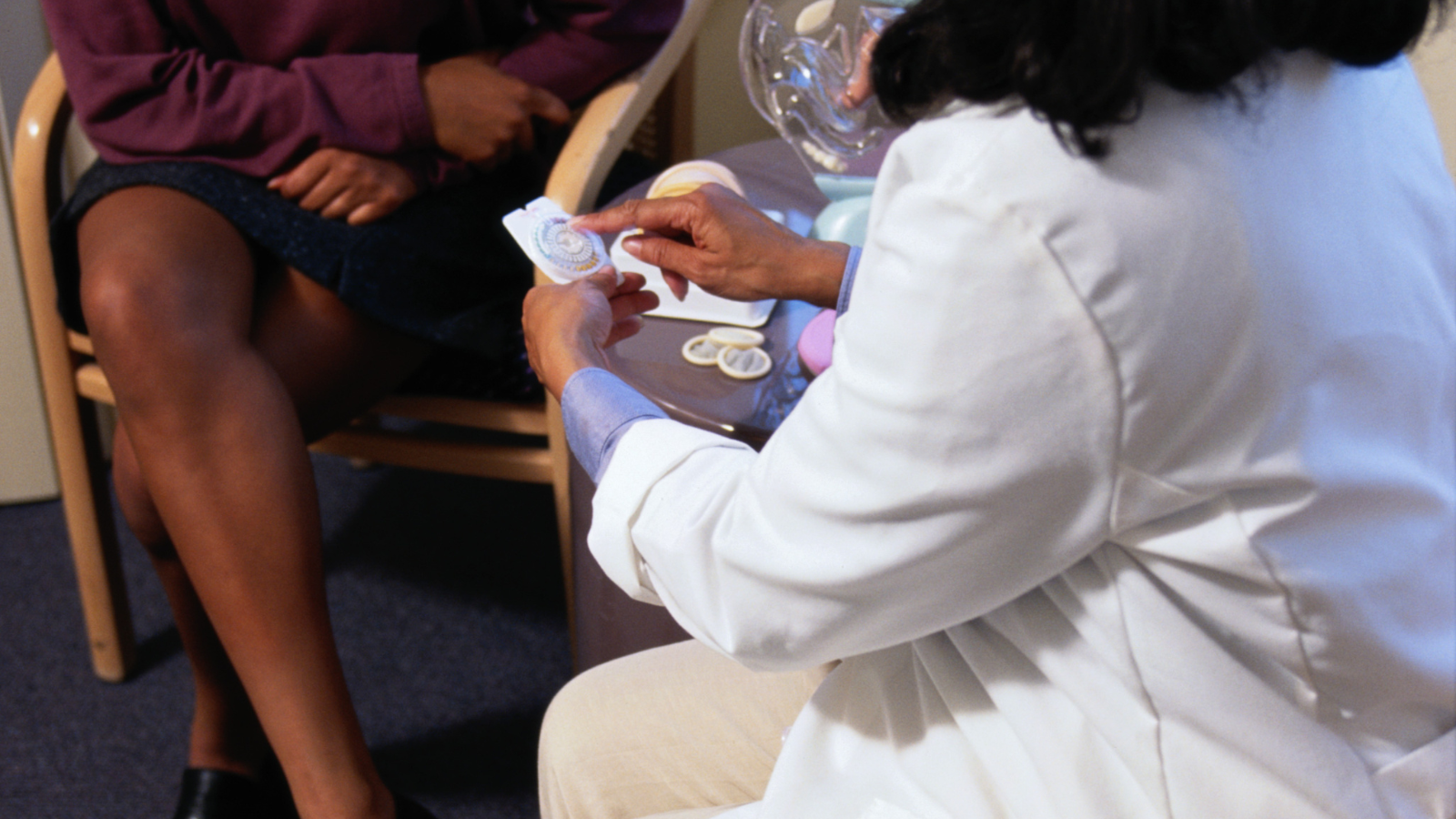
If you’re still considering having children in the future, talk to your provider about the birth control pill which can also reduce your risk of ovarian cancer. In fact, using the pill for 5 years has been shown to reduce your risk of ovarian cancer by 50%.
If your mother or sister had ovarian cancer or any close family members had breast cancer, you might be at increased risk for ovarian cancer. You can talk to your health care provider or a genetic counselor about your risk level and the possibility of genetic testing.