FDA Approves New Version of PrEP—Just Two Shots A Year
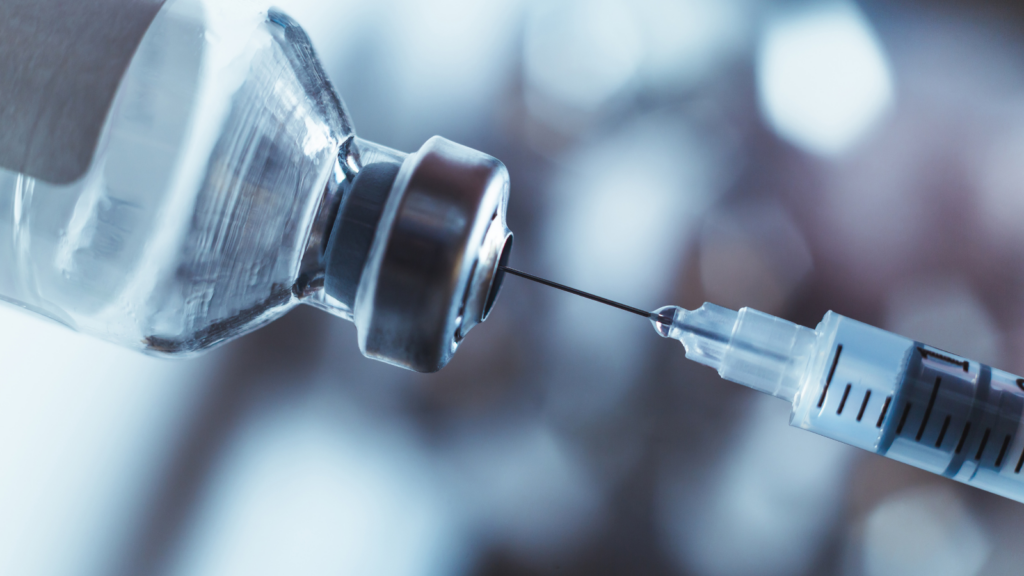
The Food and Drug Administration (FDA) has approved lenacapavir as a form of pre-exposure prophylaxis (PrEP). This medication has already been used to treat HIV and has proven remarkably successful as PrEP when given as a shot just twice a year. While we still don’t have a vaccine for HIV, experts agree that this is a great step forward in prevention. But many are concerned that cuts to Medicaid and HIV prevention will mean that many people won’t have access to this medication.
What is PrEP?
PrEP is a prevention strategy for people who are HIV negative. It involves taking medication designed to suppress the virus. The goal of PrEP is to prevent HIV infection from taking hold if a person is exposed to the virus. It can be used by people of any biological sex or gender. PrEP is for people who may be exposed to HIV including people who:
- have a sexual partner with HIV
- have been diagnosed with a sexually transmitted infection (STI) in the past six months
- regularly have condomless sex
Types of PrEP
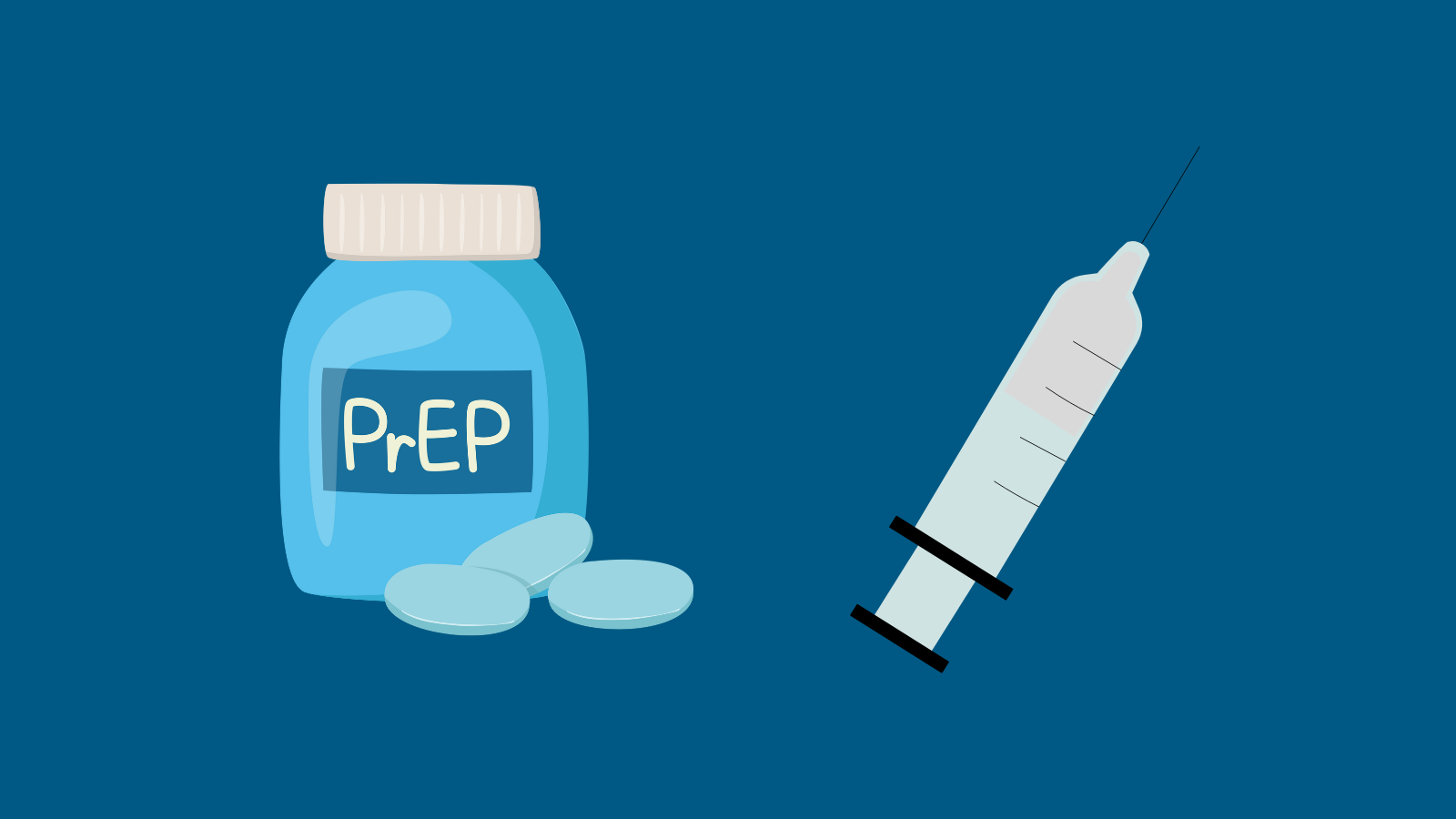
There are currently three medications approved for use as PrEP in the United States. Truvada and Descovy are pills that need to be taken daily. (The two brands are made by different manufacturers, but contain similar active ingredients.) There is also a shot given every two months called Apretude that uses a different active ingredient. Truvada and Apretude are approved for men and for people who have receptive vaginal sex (cisgender women or transgender men). Descovy, however, has not been approved in the U.S. for those having vaginal sex.
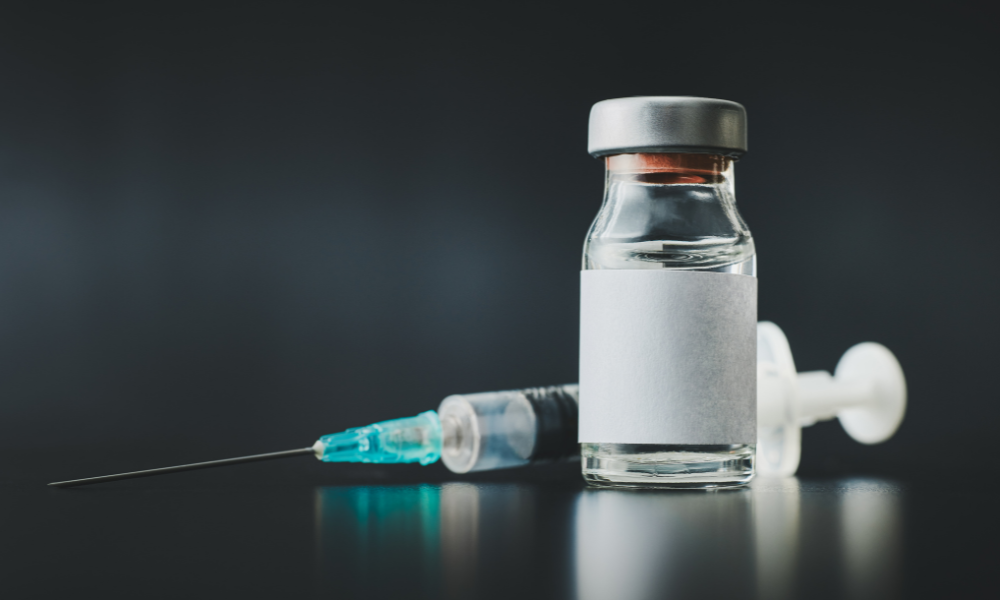
The new drug is called lenacapavir and will be sold under the name Yeztugo. It is given as a shot under the skin of the abdomen that releases medication into the body over time. Users only have to get two shots a year. (They need to test negative for HIV before each shot.)
Lenacapavir did very well in clinical trials called the PURPOSE Studies. These were double blind studies in which users got the shot or one of the two existing PrEP pills. Everyone in the study got some version of PrEP because it would be unethical to deny protection to any participant. To make sure no one knew which medication they were getting all participants took two daily pills and got a shot every six month. Depending on the group they were in, participants were either getting placebo pills or placebo shots.
PURPOSE 1 tracked over 5,300 cisgender women in South Africa and Uganda starting in 2021. None of the participants who received lenacapavir contracted HIV over the course of the trial. In contrast, there were 16 infections among people taking Truvada and 39 among those taking Descovy. The study was so successful it was stopped early so that everyone could be offered the new drug. PURPOSE 2 tracked more than 3,200 participants, including cisgender men, transgender men and women, and those who identified as non-binary persons. In this study just two of the participants getting lenacapavir became infected with HIV.
All forms of PrEP can be 99% effective, but the existing medications require more effort from users. Getting a shot just twice a year makes it less likely that users will miss doses. In addition, getting it as an injection lets people use PrEP with less chance of others finding out. This can be really important in places where HIV stigma is high.
Like other forms of PrEP, Yeztugo is expensive. It is expected to cost $28,500 without insurance. This puts it out of reach for many at a time when the future of HIV-prevention funding is unclear, both in the United States and globally.
Gilead, the manufacturer of the medication, has agreed to let other companies make generic versions that can be used in low-income areas hard hit by HIV such as sub-Saharan Africa. It may take a while, however, for these companies to ramp up production. Generics will not be available in the United States.
More to HIV and PrEP