Should I take PrEP?
When you think of HIV prevention, condoms are probably the first thing that comes to mind—which is great, because they should! Condoms are a proven method to prevent HIV and other sexually transmitted infections (STIs) during intercourse. But there is another option to prevent HIV—PrEP.
What is PrEP?
PrEP is way for people who do not have HIV to protect themselves from the virus. It stands for pre-exposure prophylaxis. It involves taking a medication—either as a daily pill or as a shot—that is like the medication people living with HIV take.
Research has found that PrEP can be 99% effective in preventing sexually transmitted HIV if used correctly. (99% is impressive!) PrEP is about 74% effective in preventing HIV for people injecting drugs.
PrEP is recommended for people who have a greater chance of being exposed to HIV. This includes people who:
- have a partner with HIV (who is not undetectable)
- have multiple partners at the same time or change partners frequently
- don’t know their partners’ HIV status (especially if they’ve had sex without a condom in the last six months)
- do sex work
- inject drugs and share needles
You can get PrEP from your doctor or a clinic near you. There are also online telehealth providers. Find PrEP providers here.
Just remember that PrEP protects against HIV but doesn’t prevent any other STIs. Condoms are still important for preventing other STIs.
What medications do people take for PrEP?
There are four medications that are currently used for PrEP.
- Truvada is a pill that all people at who might be exposed to HIV through sex or injection drug use can take. There are also generic versions of Truvada available.
- Descovy is also a pill, but it’s only for men or transgender women who might be exposed to HIV through sex. It is not for cisgender women who may be exposed to HIV through vaginal sex.
- There are also two injectable forms of PrEP available that can be used by adults and adolescents (as long as they weigh at least 77 pounds). Apretude is given once every other month and Yeztugo is given twice a year. You need to be able to see a health care provider in person to get the shots.
Do PrEP meds have side effects?
Yes. Like all medication, PrEP can have side effects. Some people taking PrEP have stomach issues like nausea or diarrhea. Others may get headaches or feel very tired. These side effects are usually not serious, and a lot of people say they go away over time. If they don’t go away or they start to interfere with your life, talk to the provider who prescribed PrEP. It may be possible to switch to a different medication that has fewer side effects for you.
How long can someone stay on PrEP?
You can stay on PrEP for as long as you think you need it. You can also stop taking PrEP and go back on it later when something changes. Maybe you decided to go on PrEP while in a relationship with a partner who has HIV but isn’t undetectable yet, but you break up (sorry) and decide you don’t need it anymore. That’s okay. It’s also okay to go back on it if, say, you find yourself with a couple of new partners a few month later. The choice is always yours. One thing to know: you should always wait 28 days after the last time you might have been exposed to HIV before stopping PrEP.
How do I get PrEP?
There are a lot of ways to get PrEP. If you have health care provider already, you can start there. If you don’t have a provider yet, this PrEP locator can help you find one in your area.
There are also online providers who offer PrEP through telehealth.
Most insurance plans and state Medicaid programs cover PrEP. Some states have assistance programs that help you pay for PrEP. Learn more about those here.
I’m under 18, do I need my parents’ permission to go on PrEP?
It depends where you live. Some states have laws that let minors get sexual and reproductive health services without their parent’s permission. Some of those laws specifically mention HIV services and PrEP, other do not. Your health care provider might be able to tell you more or you could find your state law here. You should know that if you use your parent’s insurance plan to see a provider or fill a prescription, they might receive a statement from the insurance company that gives some details of your visit.
I already had sex without a condom, will PrEP work now?
No. PrEP only works if you’ve been on it for a little while before you are exposed to HIV. If you had sex without a condom within the last few days, you may be able to take PEP – Post Exposure Prophylaxis. If it’s been longer than 72 hours, PEP will not work either.
My partner just found out they have HIV. Do I need to get PrEP?
Maybe. First things first, if your partner found out they have HIV, you need to get tested. If you test negative now, you’ll probably have to get tested again in a few months to make sure. Once your partner has been on HIV medications for some time, they will likely have undetectable viral loads and there is no possibility that they give you HIV. Until then, condoms can help prevent HIV and you might want to talk to a provider about PrEP.
What is “on demand” PrEP?
Some people take PrEP pills only when they have a high chance of getting HIV. They take 2 pills between 2 and 24 hours before they have sex, 1 pill 24 hours after that first dose, and 1 pill 24 hours after that second dose. This is sometimes called “on demand” PrEP or the “2-1-1 schedule.”
There is some research that shows that this works to protect MSM if they are going to have anal sex without a condom. There is no research about whether this works to protect heterosexual men, women, or transgender people when they are having sex or whether it works for people who inject drugs.
The FDA has not approved PrEP on demand, and the CDC does not recommend this method.
Get PrEP Online
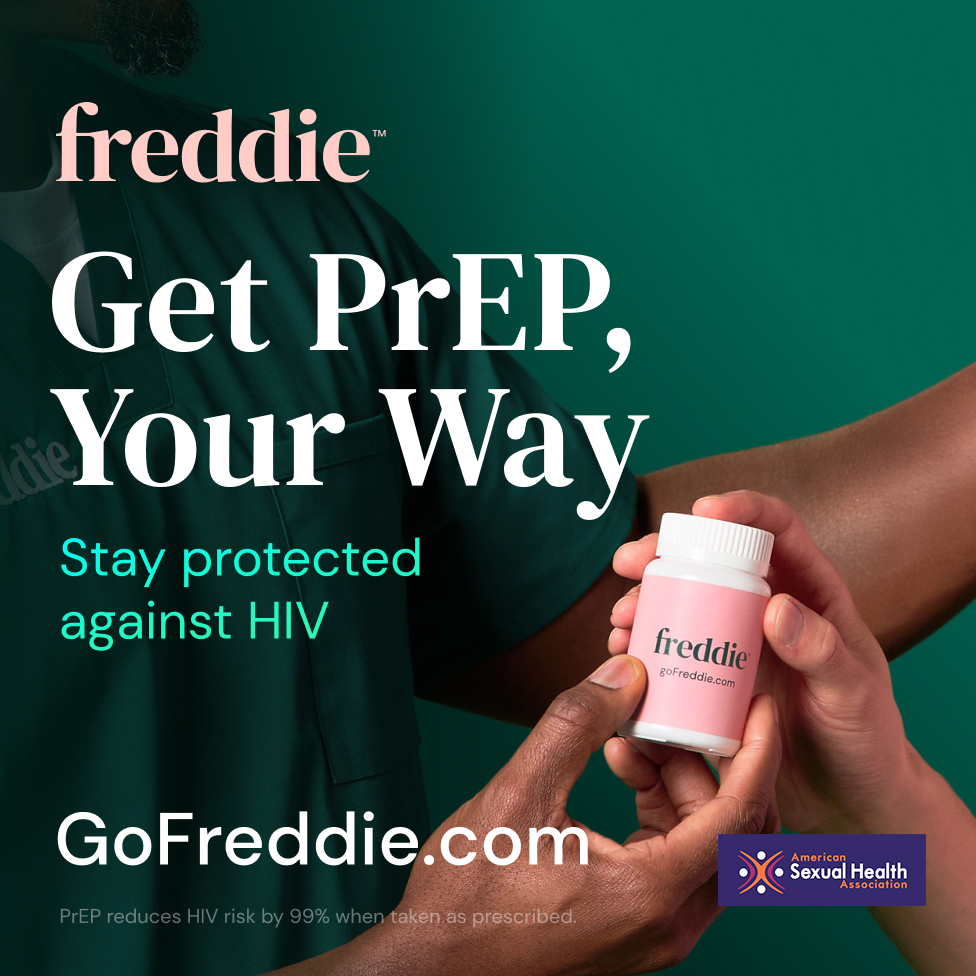
Want to get PrEP delivered right to you door? Visit Freddie, ASHA’s mail-order-PrEP partner, to take their 1-minute PrEP assessment and book a free phone consultation with their care team. Over 90% of Freddie patients pay $0 for PrEP.
How can I pay for PrEP?
The good news is that, under the Affordable Care Act, PrEP must be free under almost all health insurance plans. This includes medication, office visits, and the lab tests needed to maintain your prescription. As with any type of health care you receive, you’ll want to check your specific plan and verify your coverage and see which type of PrEP you plan covers with no cost.
If you don’t have health insurance, there are resources available and programs that may allow you to get PrEP for free, inlcuding programs from drug manufacturers. These programs typically have certain requirements (like an income below a certain level) to qualify. Click here to learn more about how to pay for PrEP.
More PrEP Resources
- The Advocate series “31 Days of PrEP”
- Resources on PrEP for women
- FAQs about PrEP from CDC
- Stories from men who explain why they take PrEP from the Advocate
- We>AIDS offers information on getting and paying for PrEP, as well as stories from people about why they chose to take PrEP.
More on PrEP