
HPV-Related Cancer in Men — Stories from Survivors
Read stories from three men on their personal experiences with HPV-related cancer.

Read stories from three men on their personal experiences with HPV-related cancer.

HPV-related throat cancer is now the most common HPV-related cancer in the U.S. Learn more about symptoms, treatment, and prevention from D r. Michael Moore.

About 4 out of 10 HPV-related cancers occur in men, which means that about 15,000 men get cancers caused by HPV each year.

An exciting new study in Scotland found no cases of invasive cervical cancer in young women who had gotten the HPV vaccine by the time they were 14.
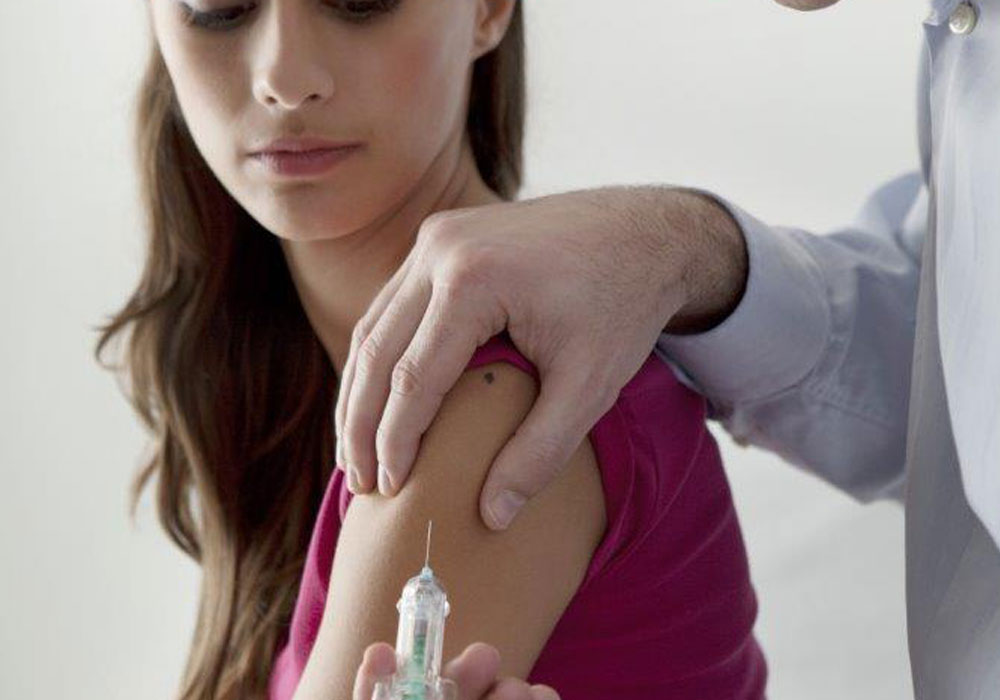
Is one shot enough? A recent study adds to evidence that one dose of the HPV vaccine might be enough to provide protection against cervical cancer.
A new study revealed a disturbing trend in health knowledge; fewer people seem to understand the connection between HPV and certain types of cancer including cervical, oral, anal, and penile cancers.

According to the Centers for Disease Control and Prevention (CDC), about 36,500 HPV-associated cancers occur in the U.S each year.

So called “cures” for HPV can sound impressive, but bold claims don’t means these products have been through necessary research to ensure that it is safe and effective. Learn how to distinguish between facts and hype.

There are many myths and misconceptions about genital HPV. We’re clearing up some common ones here
HPV (a.k.a. human papilloma virus) is an equal opportunity virus, infecting both men and women. Men can get infected with HPV, and most do—it’s so common that nearly all sexually active people will have HPV at some point in
their lives.
Read stories from three men on their personal experiences with HPV-related cancer.
HPV-related throat cancer is now the most common HPV-related cancer in the U.S. Learn more about symptoms, treatment, and prevention from D r. Michael Moore.
About 4 out of 10 HPV-related cancers occur in men, which means that about 15,000 men get cancers caused by HPV each year.
An exciting new study in Scotland found no cases of invasive cervical cancer in young women who had gotten the HPV vaccine by the time they were 14.
Is one shot enough? A recent study adds to evidence that one dose of the HPV vaccine might be enough to provide protection against cervical cancer.
A new study revealed a disturbing trend in health knowledge; fewer people seem to understand the connection between HPV and certain types of cancer including cervical, oral, anal, and penile cancers.
According to the Centers for Disease Control and Prevention (CDC), about 36,500 HPV-associated cancers occur in the U.S each year.
So called “cures” for HPV can sound impressive, but bold claims don’t means these products have been through necessary research to ensure that it is safe and effective. Learn how to distinguish between facts and hype.
There are many myths and misconceptions about genital HPV. We’re clearing up some common ones here
HPV (a.k.a. human papilloma virus) is an equal opportunity virus, infecting both men and women. Men can get infected with HPV, and most do—it’s so common that nearly all sexually active people will have HPV at some point in
their lives.