

More Proof that the Birth Control Pill Reduces Risk of Ovarian Cancer
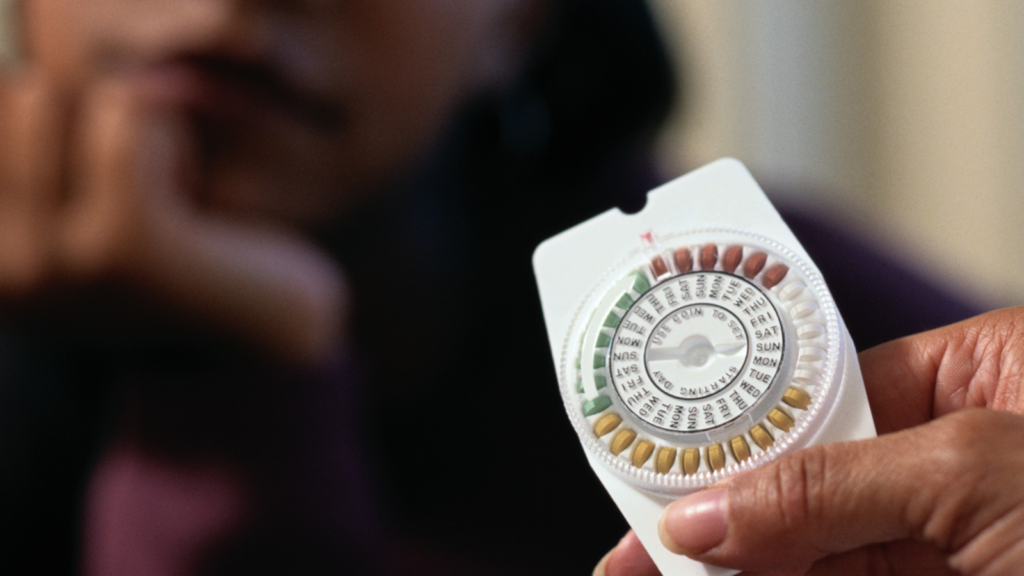
Decades of research have found that people who take the birth control pill have a 30% to 50% lower risk of ovarian cancer than women who have never used oral contraceptives. A new study that included over 200,000 Australian women adds to what we know about this protective benefit.
The study, published in the International Journal of Gynaecological Cancer, included data from over 200,000 women ages 37 to 72. The researchers looked at thousands of characteristics related to health such as medication use, diet and lifestyle, pregnancy, and hormonal factors. They followed the study subjects for almost 13 years.
During the study period, 1,441 of the women developed ovarian cancer. Researchers analyzed their health characteristics and compared them to their peers who did not get ovarian cancer. They found that women who had ever taken the pill had a 26% lower risk of ovarian cancer. Women who used the pill at a later age saw even more benefit. In fact, those who took oral contraceptives after the age of 45 were 43% less likely to develop ovarian cancer.
This finding is particularly important because there are no screening studies for ovarian cancer. About 70% of ovarian cancer cases are identified at a late stage meaning the cancer has advanced and often spread. When ovarian cancer is found in later stages, the survival rate is less than 30% over five years. When it’s found early, however, the survival rate is closer to 90%.
While this study can’t tell us why women who take the pill have a lower risk of ovarian cancer, researchers believe that it’s tied to how many times you ovulate during your reproductive years. Fewer lifetime ovulations seem to be linked to less ovarian cancer. The pill suppresses ovulation for however long you are on it. This theory also explains why women who had given birth to two or more children had a 39% lower risk of ovarian cancer compared to women who did not have any children. Each full-term pregnancy you have represents at least nine months without ovulating.
The link between birth control and cancer can be confusing. Research has found that the pill may raise a women’s risk of developing breast cancer. At the same time, we know that the pill provides protection against ovarian cancer and endometrial cancer. The pill is considered safe for most women but be honest about your history when talking to a provider. Some women who have a personal history or family history of cancer may be told not use hormonal contraception.
More to Explore

A Breakthrough—No Deaths from Cervical Cancer in Young Women in England
For the first time ever, there were no deaths from cervical cancer among young women ages 20-24 in England over a five-year period. This is great news and adds to evidence that widespread HPV vaccination saves lives.

HPV Screening with Self Collection Endorsed by Three Organizations
Three organizations—ACS, ACOG, and HRSA—have each recently endorsed new guidelines for cervical cancer screening. All of them discuss screening with self collected samples.

Is One Shot of the HPV Vaccine Enough?
Research suggests that only one dose of the HPV vaccine may be effective enough to prevent HPV-related disease, including cancer.

Australia is Closer to Ending Cervical Cancer
Australia has been a leader in cervical cancer prevention for decades and is now close to eliminating the disease.

ACS Releases New Cervical Cancer Screening Guidelines
The American Cancer Society (ACS) released new recommendations for cervical cancer screening that focus on HPV testing and approve the use of self-collected samples. The recommendations also clarify the age at which screening should start and stop.
Study Shows Herd Immunity for HPV is Possible
We’ve known for years that the HPV vaccine works. Now new research shows that widespread vaccination even protects those who haven’t gotten the shot. This study proves that it is possible to reach herd immunity for HPV.

HPV and Relationships—Answers to Your Questions
After a diagnosis, it’s normal to have questions about HPV and relationships: What does this mean for our health? Did someone cheat? Should we stop having sex?

FDA Approves At-Home Collection Device for Cervical Cancer Screening
The FDA just approved the Teal Wand, a self-collection device for HPV testing that does not require a speculum exam or even a trip to the doctor’s office. People can collect their own sample at home and send it to a lab for analysis.