
Vaccines That Can Prevent STIs
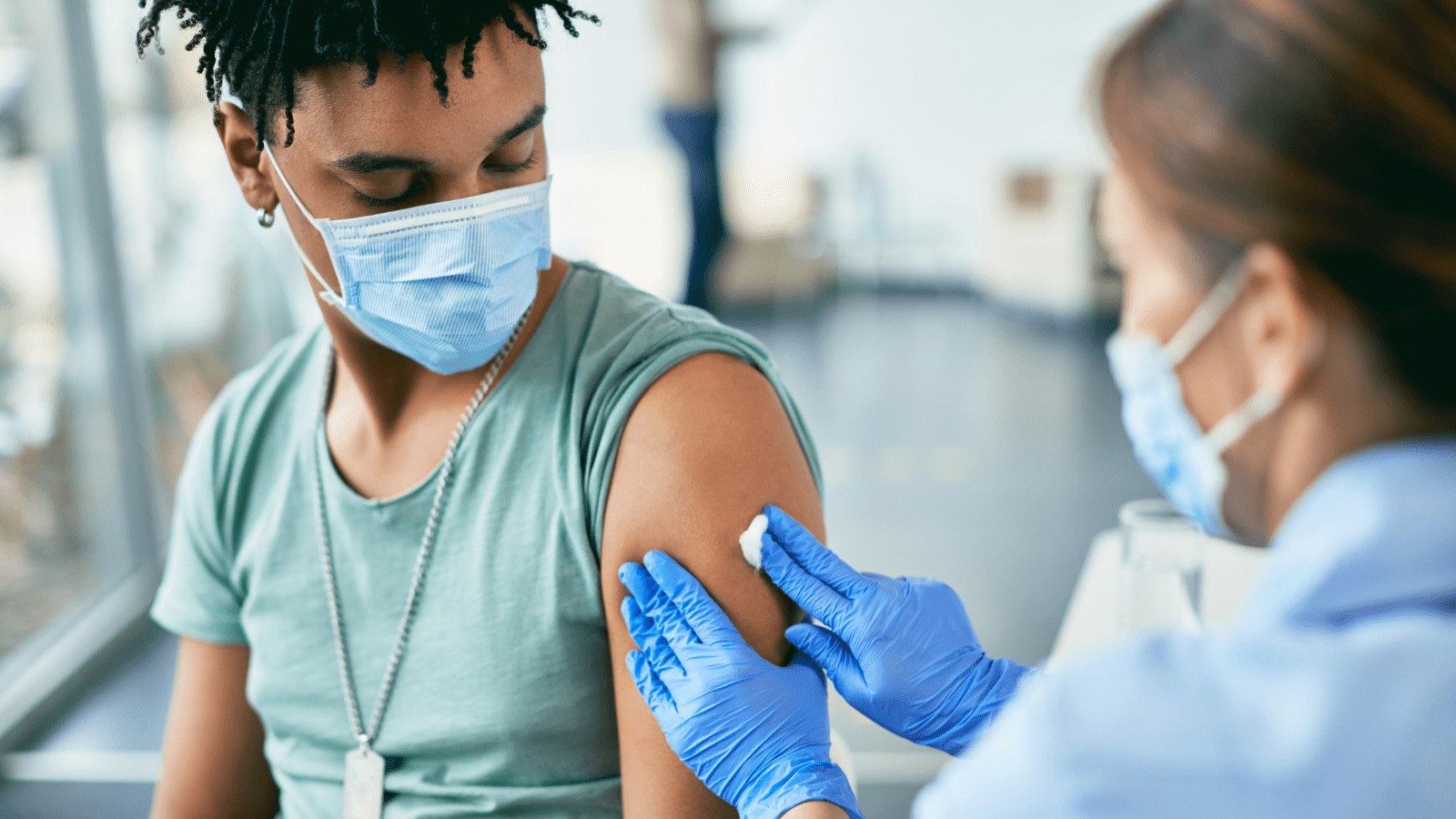
One important prevention tool against sexually transmitted infections is vaccination. Currently, vaccines are available to protect against infection with HPV, hepatitis A and hepatitis B, and mpox. Other vaccines are under development, including those for HIV and herpes simplex virus (HSV). A phase 1 trail for a possible new chlamydia vaccine has also shown encouraging results.
Hepatitis A
Hepatitis A is transmitted primarily through oral contact with feces (oral-fecal contact). This includes contaminated food or water sources and sexual contact, especially oral-anal sex.
Who should get the hepatitis A vaccine?
The Centers for Disease Control and Prevention (CDC) recommends hepatitis A vaccination for all children and adolescents, as well as people who are at increased risk for hepatitis, including:
- International travelers
- Men who have sex with men
- People who use or inject drugs
- People with occupational risk for exposure
- People who anticipate close personal contact with an international adoptee
- People experiencing homelessness
Others recommended for hepatitis A vaccine:
- Anyone traveling to an area with a high prevalence of hepatitis A
- Those with hepatitis B or C
How is it given?
Two shots, six months apart. A hepatitis A/hepatitis B combination vaccine can also be given to adults. The combined vaccine is given in three doses over six months.
How safe and effective is it?
The hepatitis A vaccine is effective and provides long-term protection after the second dose. Soreness at the injection site is the most common side effect reported.
Hepatitis B
Hepatitis B virus can be passed on by body fluids (semen, vaginal secretions, and blood) and is most often transmitted through sexual contact. It can also be contracted when injecting drug users share needles and other injecting equipment.
While hepatitis B can cause a mild illness, it can also be a more serious chronic infection, with complications including cirrhosis (scarring of the liver) and even liver cancer.
Who should get the hepatitis B vaccine?
The Centers for Disease Control and Prevention (CDC) recommends hepatitis B vaccination for:
- Sex partners of anyone who has hepatitis B
- Anyone who is sexually active but not in a long-term, monogamous relationship
- Those treated for STD/STIs
- Men who have sex with men
- Others recommended for hepatitis B vaccine include:
- All infants and children under age 19 who have not had the vaccine
- Injecting drug users who share needles
- Those living in households with someone who has hepatitis B
- Anyone whose work places them in contact with blood
- Those with HIV or chronic liver disease
- Individuals in correctional facilities
- Travelers to areas with a high prevalence of hepatitis B
How is it given?
Three or four shots over six months.
How safe and effective is it?
The hepatitis B vaccine is safe, and the most commonly reported side effect is soreness at the injection site. Those completing the series have greater than 90% protection against hepatitis B.
HPV
Human papillomavirus (HPV) is the name of a group of viruses that infect the skin. There are more than 100 different types of HPV. Certain types of HPV cause warts on the hands or feet, and other types can cause warts on the genitals. Some types of genital HPV may cause genital warts, while other types of genital HPV are linked to abnormal cell changes on the cervix (detected through Pap tests) that can lead to cervical cancer. HPV vaccine can protect against types of HPV that cause most cases of warts and those that cause most cervical cancer.
Who should get the HPV vaccine?
The Centers for Disease Control and Prevention (CDC) recommends all boys and girls get HPV vaccine at age 11 or 12. The vaccine produces a stronger immune response when taken during the preteen years. Catch up vaccination is recommended up to age 26.
HPV vaccine is also available for adults ages 27-45. Adults in this age group should talk to their healthcare provider about whether they should consider vaccination.
How is it given?
Up until age 14, only two doses are the vaccine are required—one shot followed by a second 6-12 months later. For those 15 and older, a full three-dose series is needed—three shots given over 6 months.
How safe and effective is it?
HPV vaccines are safe. The most commonly reported side effects include pain, swelling, and redness at the injection site. Some patients report fainting, so those receiving the vaccine are encouraged to wait at least 15 minutes before leaving the clinic or medical office.
HPV infections and cervical precancers have dropped significantly since the vaccine has been in use. Among teen girls, infections with HPV types that cause most HPV cancers and genital warts have dropped 86 percent. In young adult women, infections with HPV types that cause most HPV cancers and genital warts have dropped 71 percent.
Mpox
Mpox is an infection caused by a virus. The mpox virus can be spread through close skin-to-skin contact with a person who is infected. Given that, mpox can be passed on by intimate sexual contact. Most of the cases in the U.S. have been diagnosed have been among cis men who have sex with men, but mpox can affect anyone of any gender or sexual orientation.
Who should get the mpox vaccine?
Currently, the CDC recommends mpox vaccine for:
- Gay, bisexual, or other same-gender loving men who have sex with men or are transgender, gender non-binary, or gender-diverse AND in the last 6 months have had, or expect to have
- One or more sexually transmitted infections
- More than one sexual partner, or anonymous sexual or intimate contact
- Sex at a commercial sex venue
- Sex in association with a large public event in a geographic area where mpox transmission is occurring
How is it given?
The vaccine is given in two doses. The second dose should be given four weeks after the first. It takes two weeks after the second dose to be the most protected.
How safe and effective is it?
The most common side effects with the vaccine are redness, soreness, swelling, and itching where the shot is given. Some people may experience other side effects, including fatigue (tiredness), headache, and muscle pain. See the vaccine information statement for more on side effects.
Studies have shown that the mpox vaccine JYNNEOS can reduce the risk of mpox illness and make illness less severe, with two doses providing the best protection.
"Why I Vaccinate"
Maria Trent, MD, MPH, knows the importance of vaccinating adolescents against HPV. She shares her experiences treating HPV disease and explains why vaccination is “a gift” for our children.