Syphilis is a sexually transmitted infection (STI) caused by bacteria. If a pregnant patient has syphilis, they can pass the infection to their baby. This is called congenital syphilis, and it can be dangerous.
Congenital syphilis can cause miscarriage, stillbirth, and even infant death. Babies born with syphilis can face lifelong medical issues.
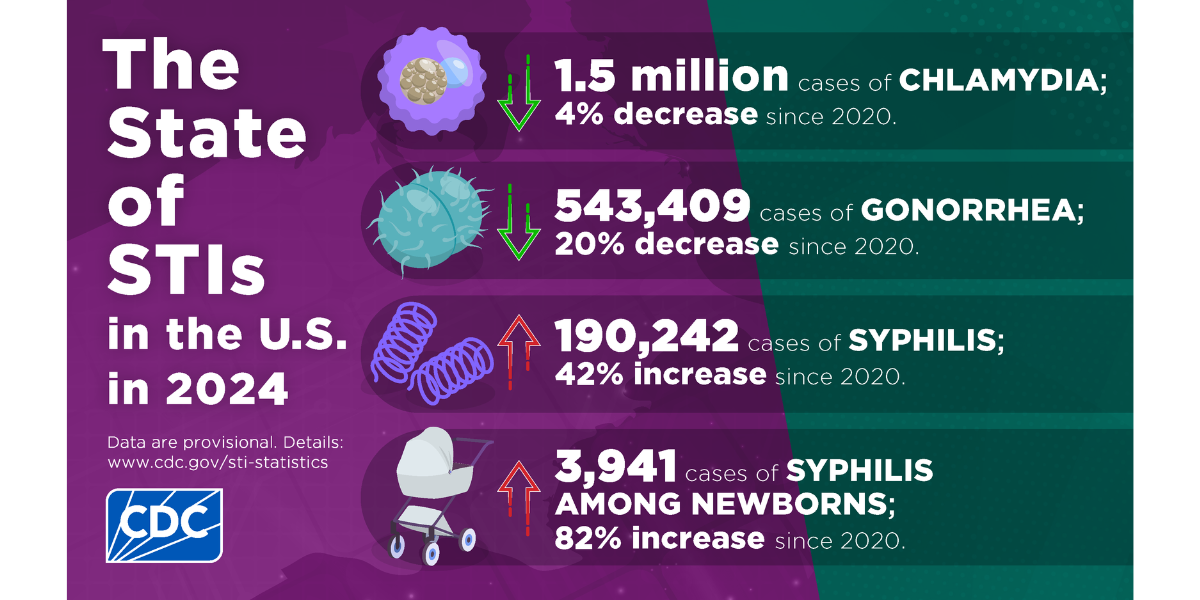
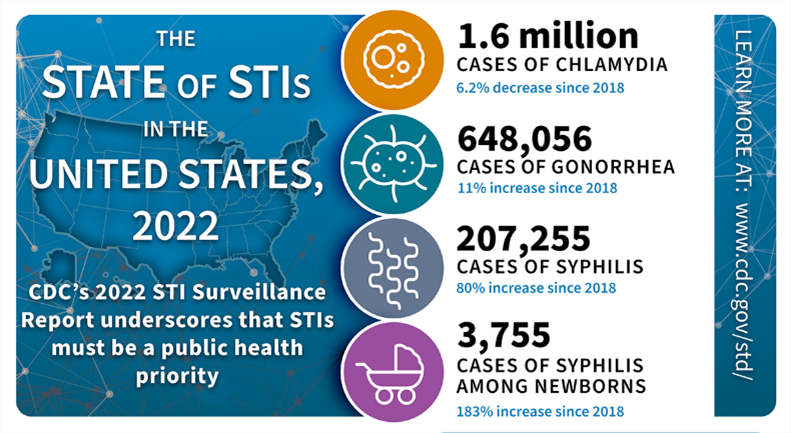
Congenital syphilis cases in the United States have increased for 12 years in a row. In fact, the number of congenital syphilis cases has increased by almost 700% in the past decade. In 2023, congenital syphilis contributed to 279 stillbirths and infant deaths. In 2024, nearly 4,000 cases of congenital syphilis were reported.
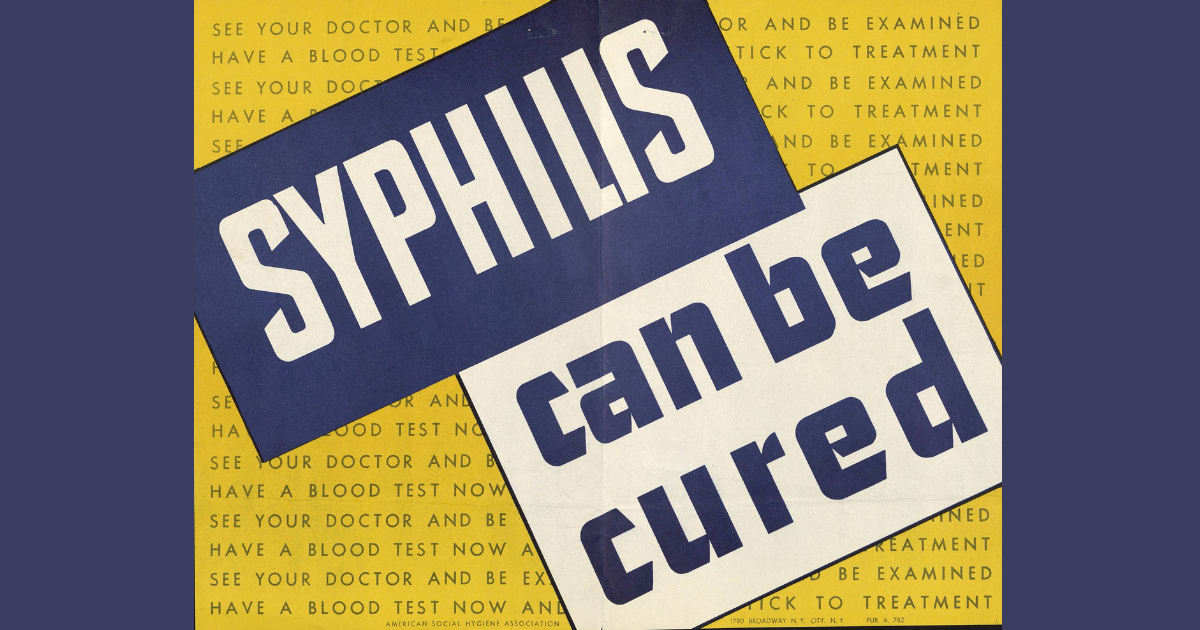
The good news is that congenital syphilis can be prevented. Testing can find syphilis during pregnancy, and antibiotics can cure the infection. Getting tested and treated early enough can prevent syphilis from being passed to the baby. Public health experts recommend that all pregnant patients be tested for syphilis at their first prenatal appointment and again before birth.
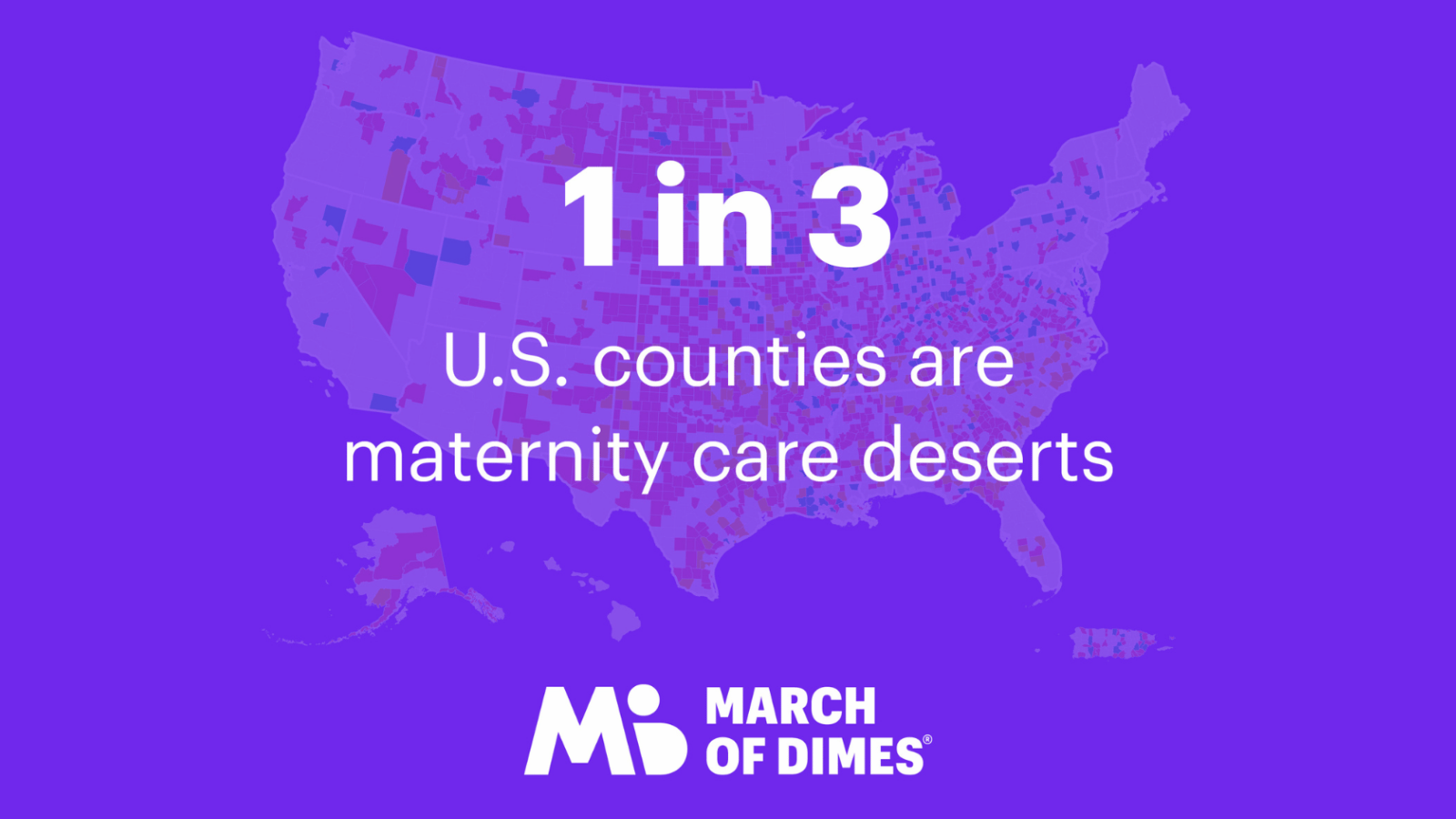
Unfortunately, not everyone has access to prenatal care, and many pregnant patients never get tested. Some may not have health insurance or may not be able to afford regular care. Others may not be able to find a provider close to home. A March of Dimes report found that over a third of U.S. counties don’t have a single doctor, nurse, midwife, or medical center specializing in maternity care. These areas are called “maternity care deserts.”
HHS estimates that 83% of congenital syphilis cases in 2023 could have been prevented with testing and treatment at the right time. The challenge is making sure pregnant patients have access to both.
The new HHS program is designed to reduce missed opportunities by expanding access to testing in additional health care settings. It is targeting emergency departments, maternal and child health programs, jails, and substance use treatment programs. These settings may reach people who are not getting regular prenatal care.
The money will help provide rapid, point-of-care tests that can give results much faster than tests that have to be sent to a lab. Health care providers will be able to diagnose syphilis and begin treatment during the same visit. This is especially important for people who may have difficulty returning for a follow-up visit because of distance, cost, transportation, or other factors.
Expanding rapid testing could help close gaps in prenatal care and prevent babies from being born with an infection that we already know how to diagnose and cure.