Koalas and Chlamydia
Let’s start with koalas. The cuddly looking marsupials have, in fact, been dealing with an outbreak of chlamydia for years. The bacterial infection is spreading from koala to koala and causing blindness, infertility, and death. It is one of the reasons that the koala population is down as much as 80% in some areas of Australia. A few years ago, wildlife experts in New South Wales began vaccinating koalas against chlamydia which will hopefully stop the epidemic.
But the chlamydia that koalas get is not the same one that infects humans. The animals are getting and spreading chlamydia pecorum. We are getting and spreading chlamydia trachomatis. While they share a name, there are many differences between the two.
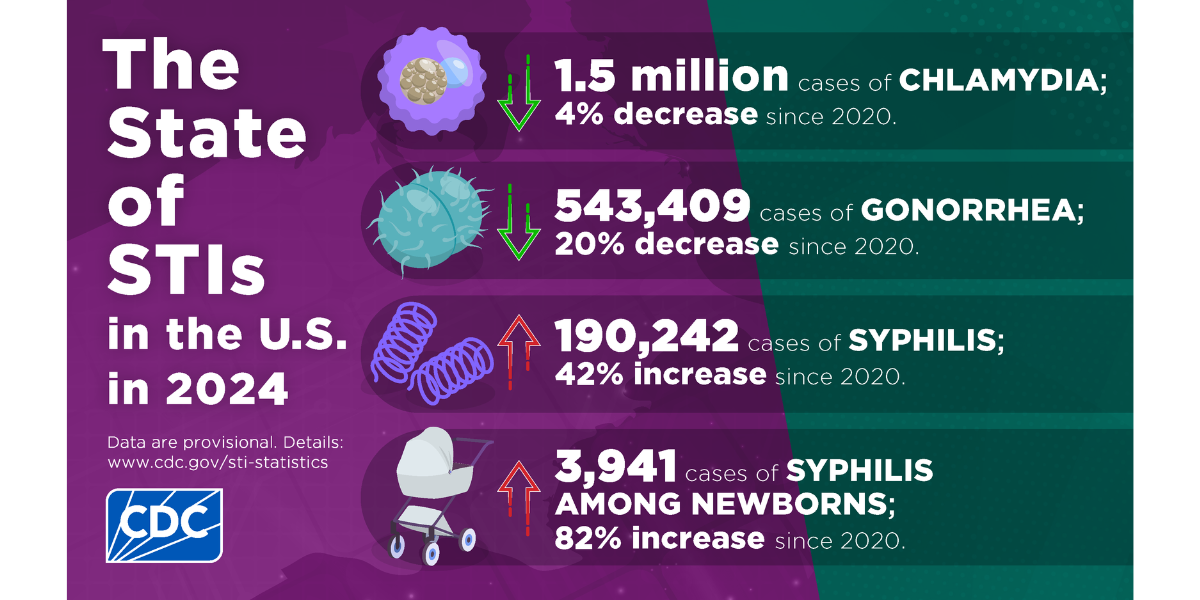
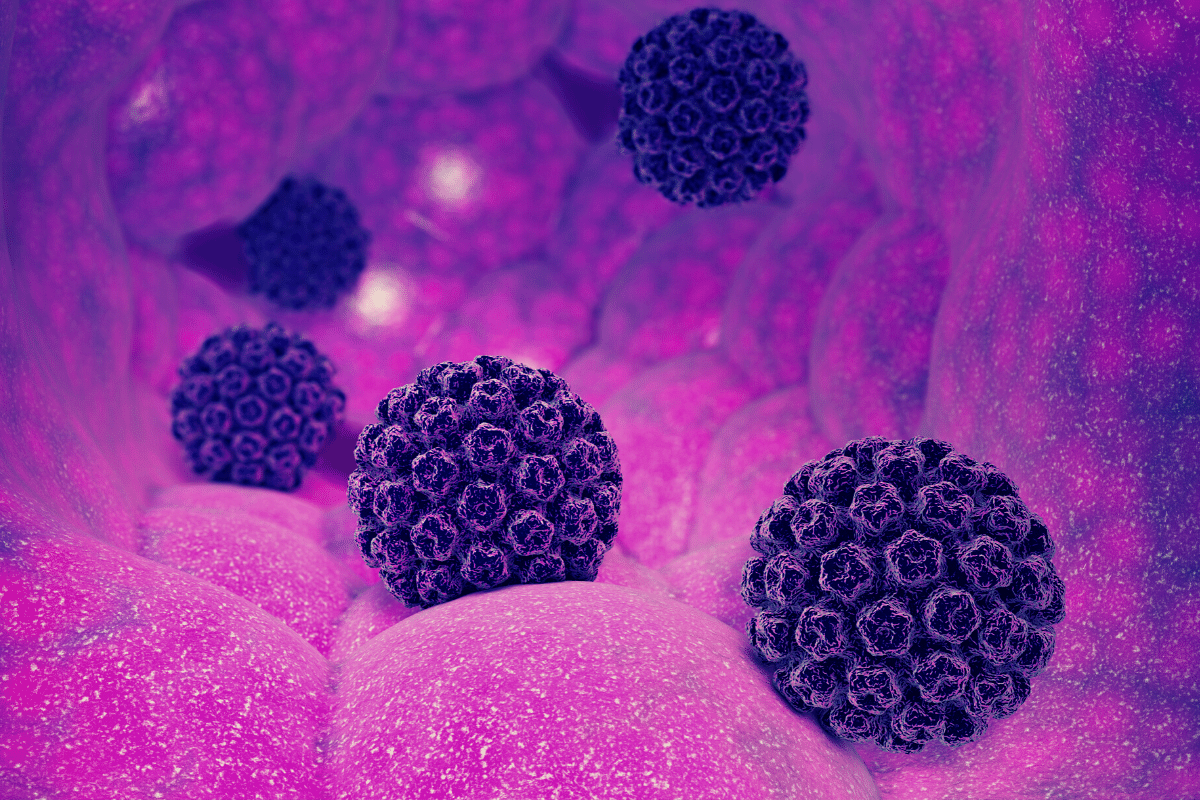
Chlamydia trachomatis is a bacterium that is passed through human oral, anal, or vaginal sex. It can infect the penis, vulva, vagina, cervix, or anus. There are approximately 1.6 million cases of chlamydia reported each year in the United States.
Chlamydia is easily treatable with antibiotics, but many infections have no symptoms. If an infection goes undiagnosed and untreated, it can lead to pelvic inflammatory disease (PID). PID is a serious infection of the female upper genital tract/reproductive organs (uterus, fallopian tubes, and ovaries). If PID is not treated, it can lead to infertility.
Chlamydia in humans is not deadly as it is in koalas. But scarring from PID can put women at more risk of ectopic pregnancies (where an embryo starts developing outside the uterus), and this can be life threatening.
Another difference: unlike koalas, we do not have a vaccine to prevent chlamydia. Chlamydia is spread from infected fluids like semen and vaginal secretions. Condoms work well to stop transmission because they block the exchange of these fluids.
People at high risk of chlamydia can also take doxy PEP or doxycycline post-exposure prophylaxis. This sexual health strategy involves taking an oral antibiotic after condomless sex to prevent chlamydia, gonorrhea, and syphilis. Doxy PEP has been found to be 80% effective against chlamydia and syphilis and 50% effective against gonorrhea.
Because chlamydia is very common and so often has no symptoms, anyone who is sexually active should think about being tested. Specifically, the Centers for Disease Control and Prevention (CDC) recommends sexually active women age 25 or younger get tested once per year. Chlamydia testing is also recommended for women with new or multiple sexual partners and for pregnant women.
Anyone who is sexually active should talk with a health care provider about whether they need testing for chlamydia or other STIs. But they shouldn’t blame koalas or cows.
Gonorrhea Doesn’t Come from Cows
While the connection between koalas and chlamydia is clear, Cierra’s suggestion that cows caused gonorrhea is harder to track. Gonorrhea has actually been around for thousands of years so pinpointing the origin is almost impossible, but the friendly farm animals seem like an unlikely source.
However it began, we do know that gonorrhea is also a bacterial infection that is spread through the exchange of bodily fluids during oral, anal, or vaginal sex. There are over 600,000 cases of gonorrhea reported in the United States each year, many of them occur in men who have sex with men.
Gonorrhea often has no symptoms but can cause a yellowish-white discharge from the penis, pain or swelling of the testicles, burning or pain when urinating, or abnormal discharge from the vagina. If left untreated gonorrhea can also lead to PID and infertility.
Antibiotics can cure gonorrhea, but the bacteria that causes the infection has become resistant to many of the medications we have for it. Currently, there is only one class of antibiotics that works but there are some new ones in development.
Like chlamydia, condoms can reduce the risk of transmitting gonorrhea. Doxy PEP is another prevention option though it doesn’t work as well as against gonorrhea as it does against chlamydia and syphilis.
The CDC recommends that sexually active women under 25 get tested annually and that men who have sex with men get tested at least once each year as well. Men who have sex with men who are it increased risk may want to test every three or six months instead. (Gonorrhea and chlamydia testing are often done together.)
If you are sexually active, talk to your health care provider about what STI tests you need.
Men and Manatees
Cierra’s last claim that Christopher Columbus brought STIs to humans by having sex with manatees seems pretty outrageous and unlikely to be true. That said, there have been cases of bacteria and viruses—some of them sexually transmitted—making their way from animals to humans.
In fact, research has suggested that HIV evolved from a similar virus that originally infected monkeys. The jump from animals to humans, however, did not involve inter-species sexual behavior. Instead, people likely became infected from the blood of the animals after killing and butchering them.
Conversations about STIs were once considered too taboo for TV, so it’s exciting when a show like Love Island is willing to give airtime to this topic. Still, reality television is probably not the best place to get STI news and information.