What You Should Know About STI Testing

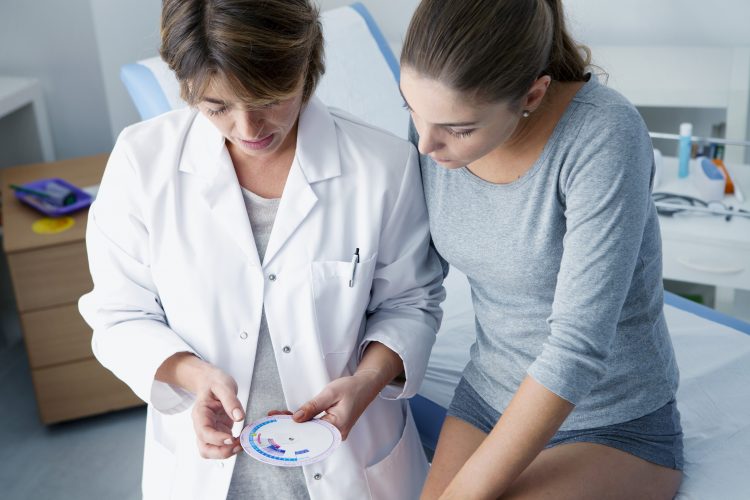
Many STIs have no signs or symptoms. The only way to know if you have an STI is to get tested. Learn more about all your STI testing options.
Human Papillomavirus (HPV)—Understanding this Common Infection

Human papillomavirus, or HPV, is very common. Some types of HPV can cause genital warts and other types can cause cancer, including cancer of the cervix, vulva, vagina, penis or anus, as well as cancer in the back of the throat.
Cervical Cancer Screening Rates Haven’t Rebounded After the Pandemic

The pandemic interrupted our regularly scheduled doctor’s visits and pushed off preventative care like Pap tests.
New Study Shows a Dramatic Drop in Cervical Pre-Cancers

A study has found a dramatic drop in the rates of cervical pre-cancers in young adult women—evidence that the HPV vaccine is working.
Fast Facts about HIV

HIV stands for Human Immunodeficiency Virus. Learn the basics about HIV prevention, testing, and treatment.
PrEP

PrEP stands for pre-exposure prophylaxis. The word prophylaxis means to prevent or control the spread of an infection or disease. The goal of PrEP is to prevent HIV infection from taking hold if you are exposed to the virus.
Living with HIV

Life continues after becoming HIV positive. Thanks to new treatments, many people with HIV are living long, healthy lives.
Scabies

Scabies is an infestation of the top layer of skin caused by the parasite. Scabies are passed on through close physical contact. Transmission is more likely when partners spend the night together than during a brief sexual encounter.
Molluscum Contagiosum

Molluscum contagiosum is a skin disease caused by the molluscum contagiosum virus (MCV)
Once a disease primarily of children, molluscum has evolved to become a sexually transmitted infection in adults.
The HPV Vaccine Prevents Cancer

In the U.S., HPV infections are estimated to cause about 37,300 cases of cancer. The HPV vaccine can prevent over 90% of these cancers from ever developing.