HPV Screening with Self Collection Endorsed by Three Organizations
Three organizations—ACS, ACOG, and HRSA—have each recently endorsed new guidelines for cervical cancer screening. All of them discuss screening with self collected samples.

Three organizations—ACS, ACOG, and HRSA—have each recently endorsed new guidelines for cervical cancer screening. All of them discuss screening with self collected samples.

Research suggests that only one dose of the HPV vaccine may be effective enough to prevent HPV-related disease, including cancer.

We’ve known for years that the HPV vaccine works. Now new research shows that widespread vaccination even protects those who haven’t gotten the shot. This study proves that it is possible to reach herd immunity for HPV.

After a diagnosis, it’s normal to have questions about HPV and relationships: What does this mean for our health? Did someone cheat? Should we stop having sex?

The results of large-scale study of HPV suggest that one shot of the vaccine may be enough to protect young people from HPV and related issues like cervical cancer.

You have probably heard that HPV can cause cervical cancer. But did you know that it can also cause cancers of the mouth, tongue, and throat?

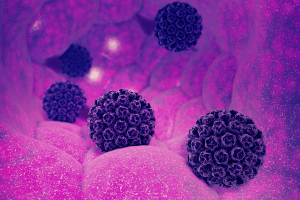
Human papillomavirus, or HPV, is very common. Some types of HPV can cause genital warts and other types can cause cancer, including cancer of the cervix, vulva, vagina, penis or anus, as well as cancer in the back of the throat.

In the U.S., HPV infections are estimated to cause about 37,300 cases of cancer. The HPV vaccine can prevent over 90% of these cancers from ever developing.

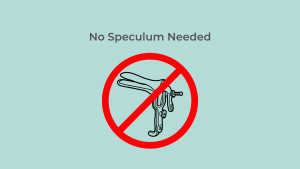
There’s a new way to screen for cervical cancer—no pelvic exam, stirrups, or speculum involved.

For the second year in a row, HPV vaccination rates among teens have not gone up according to the Centers for Disease Control and Prevention (CDC).

Three organizations—ACS, ACOG, and HRSA—have each recently endorsed new guidelines for cervical cancer screening. All of them discuss screening with self collected samples.

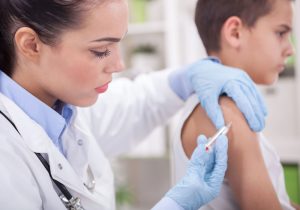
Research suggests that only one dose of the HPV vaccine may be effective enough to prevent HPV-related disease, including cancer.

We’ve known for years that the HPV vaccine works. Now new research shows that widespread vaccination even protects those who haven’t gotten the shot. This study proves that it is possible to reach herd immunity for HPV.

After a diagnosis, it’s normal to have questions about HPV and relationships: What does this mean for our health? Did someone cheat? Should we stop having sex?

The results of large-scale study of HPV suggest that one shot of the vaccine may be enough to protect young people from HPV and related issues like cervical cancer.

You have probably heard that HPV can cause cervical cancer. But did you know that it can also cause cancers of the mouth, tongue, and throat?

Human papillomavirus, or HPV, is very common. Some types of HPV can cause genital warts and other types can cause cancer, including cancer of the cervix, vulva, vagina, penis or anus, as well as cancer in the back of the throat.

In the U.S., HPV infections are estimated to cause about 37,300 cases of cancer. The HPV vaccine can prevent over 90% of these cancers from ever developing.

There’s a new way to screen for cervical cancer—no pelvic exam, stirrups, or speculum involved.

For the second year in a row, HPV vaccination rates among teens have not gone up according to the Centers for Disease Control and Prevention (CDC).